

#1 Subfloor Ventilation & Moisture Control sydney
Claim FREE Subfloor Inspection & Moisture Report + 20% Off Ventilation System
Stop Damp, Mould & Moisture Before It Gets Worse
Free Subfloor Inspection & Moisture Report
No Obligation. Included with any ventilation system quote
No Call-Out Fees Sydney Wide
Inspection Before Installation
Engineered Ventilation Systems
3-Year Workmanship Warranty
Recurring Damp or Mould?
The Problem May Be Under Your Home
If you’re seeing mould on skirting boards, damp patches on ground-floor walls, or persistent musty smells, the issue may not be coming from inside your home at all. In many Sydney properties, these are early warning signs of excess moisture trapped beneath the house due to poor subfloor airflow.
Sydney’s climate, combined with clay-based soils and older housing designs, creates conditions where moisture can easily build up under homes. Without adequate ventilation, damp air becomes trapped in the subfloor and gradually rises into living areas, affecting indoor air quality and creating an environment where mould can continue to return despite repeated cleaning.
At Rapid Vent Systems, we specialise in identifying and addressing these
hidden subfloor issues. Our inspection-first approach allows us to assess moisture levels, airflow, and mould risk beneath your home before recommending any solution. This ensures the cause is treated correctly — not just the visible symptoms — for long-term protection and peace of mind.
We Beat Any Written Quote!
Get in touch with us if you have any queries and we will get back to you as soon as possible.
Contact Us
We will get back to you as soon as possible.
Please try again later.




5-Star Rated By Sydney Drivers
100% Engineered Subfloor Ventilation Solutions
Subfloor ventilation works by improving airflow beneath your home, allowing excess moisture to escape before it rises into living areas and causes ongoing damp or mould problems.
At Rapid Vent Systems, we design ventilation solutions based on your home’s structure and subfloor conditions. This may involve passive ventilation using natural airflow, mechanical ventilation using powered fans, or a combination of both — ensuring the system is tailored for long-term performance, not short-term relief.
By creating consistent airflow under the house, subfloor ventilation stabilises moisture levels and protects your home from recurring damp and mould issues.
What Proper Subfloor Ventilation Achieves
Reduces Damp and Mould Recurrence
By controlling moisture levels beneath the house, proper subfloor ventilation removes the conditions mould needs to grow. This helps prevent damp and mould from returning on walls, skirting boards, and floors — not just temporarily, but long-term.
Improves Indoor Air Quality
Excess moisture under the home can carry musty air, spores, and odours into living spaces. Improved subfloor airflow helps limit this transfer, contributing to fresher, healthier indoor air throughout the home.
Protects Flooring and Structural Timber
High moisture levels can damage timber floors, joists, and subfloor framing over time. Ventilation helps keep these materials dry, reducing the risk of warping, rot, and costly structural repairs.
Provides Long-Term Prevention
Unlike surface treatments or repeated cleaning, subfloor ventilation addresses the root cause of moisture-related problems. The result is a stable, dry subfloor environment that protects your home year after year.
Subfloor Ventilation Options for Sydney Homes
There is no one-size-fits-all approach to subfloor ventilation. The right system depends on your home’s subfloor layout, moisture levels, airflow restrictions, and Sydney’s climate conditions. Choosing the wrong type of ventilation can leave damp issues unresolved, which is why understanding the available options is essential.
Passive Subfloor Ventilation
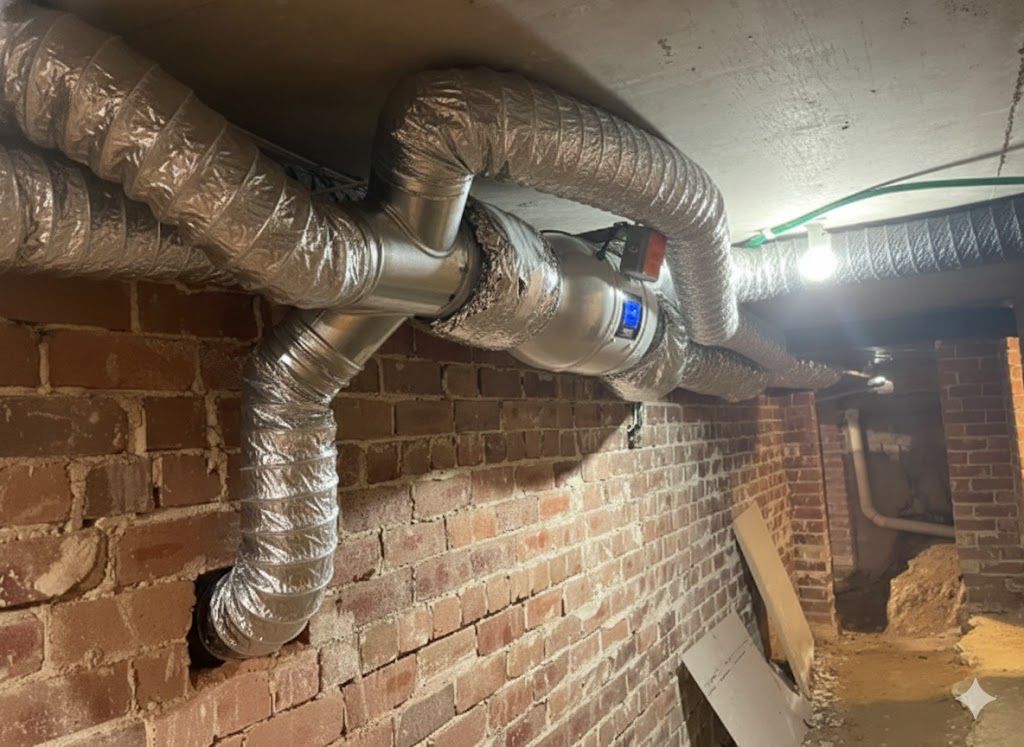
Passive ventilation relies on natural airflow moving through vents or air bricks installed around the perimeter of the subfloor area. As air pressure and wind conditions change outside the home, fresh air enters and stale air exits through these openings. In well-exposed homes with low humidity and good cross ventilation, passive systems can help reduce moisture buildup. However, in many Sydney suburbs — particularly coastal areas or homes surrounded by fencing, landscaping, or neighbouring buildings — natural airflow is often limited, reducing the effectiveness of passive ventilation alone.
Mechanical Subfloor Ventilation
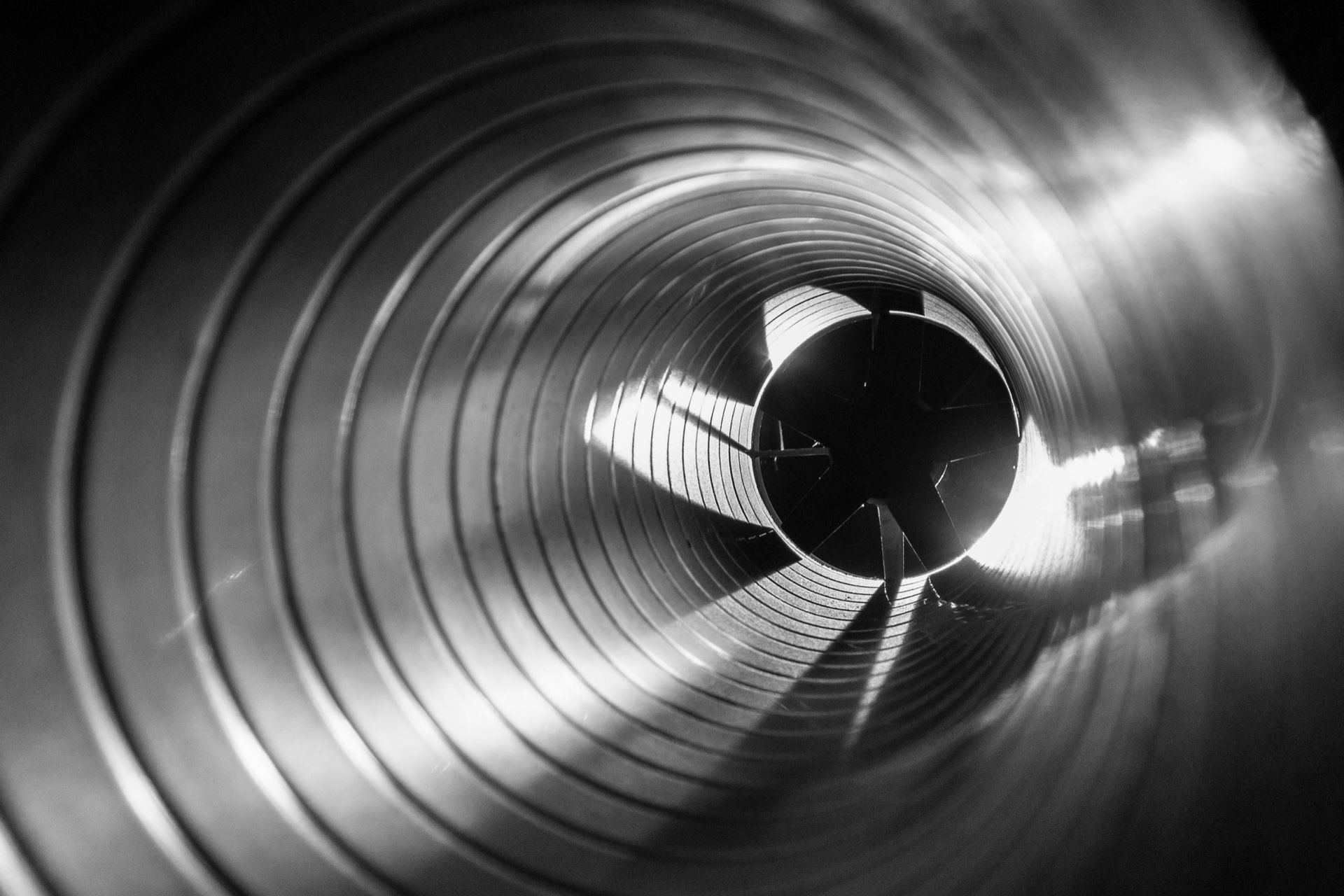
Mechanical subfloor ventilation uses powered inline fans to actively extract moisture-laden air from beneath the home and replace it with drier outside air. Unlike passive systems, mechanical ventilation creates consistent airflow regardless of weather conditions. This makes it highly effective for homes with persistent damp conditions, high ground moisture, limited natural airflow, or ongoing mould issues. Mechanical systems are commonly required in Sydney homes where humidity remains high for long periods, especially during summer.
Choosing the Right Ventilation Solution

In some cases, a combined approach is used, where mechanical extraction supports existing passive vents to improve airflow across the entire subfloor area. The most effective solution is always determined after a proper subfloor moisture and airflow assessment. Installing ventilation without understanding the underlying conditions can lead to ongoing damp problems rather than long-term prevention.
That’s why every recommendation we make is based on inspection — not assumptions.
Our Services
At Rapid Vent Systems, we specialise in identifying and resolving subfloor moisture, ventilation, and mould issues that affect indoor air quality and long-term structural health. Our services are designed to address poor airflow, moisture-laden air, and damp conditions beneath Sydney homes — from initial inspection through to effective long-term solutions.
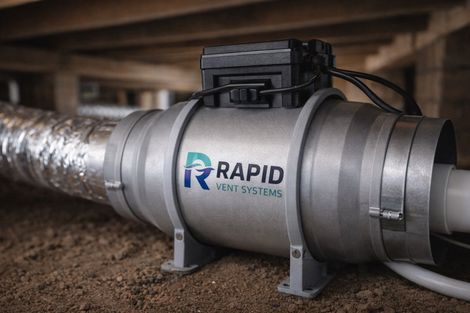
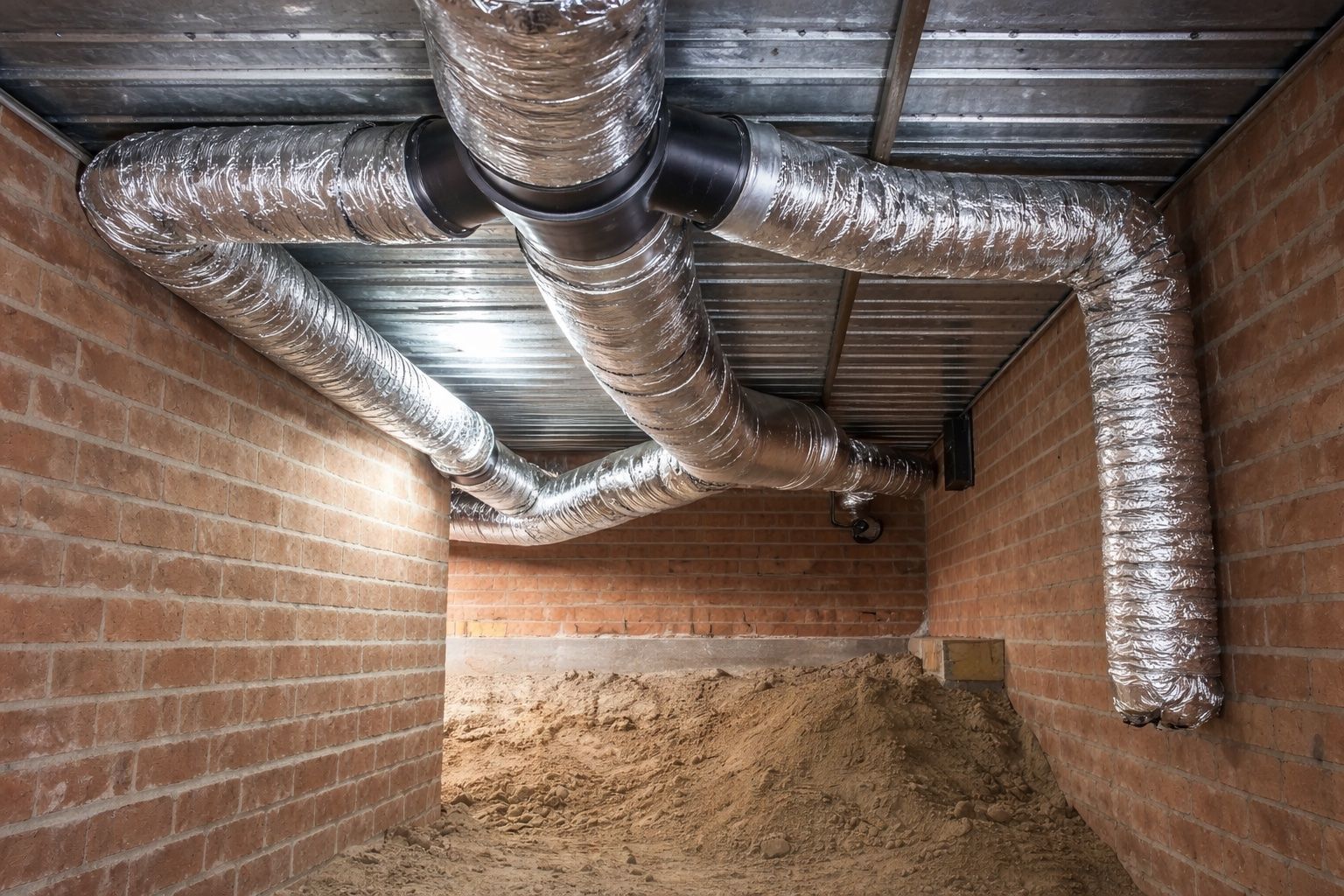
We design and install engineered subfloor ventilation systems that improve airflow across the subfloor space, helping remove moisture-laden air and reduce damp conditions under the house. Our solutions include both passive ventilation and mechanical systems using inline fans, depending on the size and layout of the subfloor area.
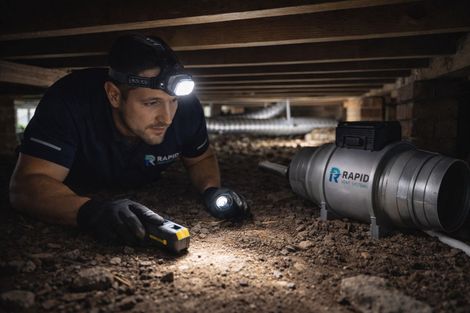
A professional moisture inspection assesses humidity levels, ground moisture, airflow, and drainage conditions beneath your home. This allows us to identify damp air, rising damp risks, and poor drainage issues that commonly contribute to mould growth and musty odours in ground-floor living areas.
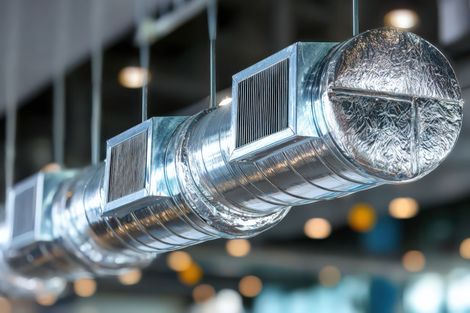
Our installation service focuses on correctly placing vents, fans, and ducting to ensure effective cross ventilation throughout the subfloor area. Proper installation helps stabilise humidity levels, improve air quality, and prevent ongoing damp issues caused by stagnant air.
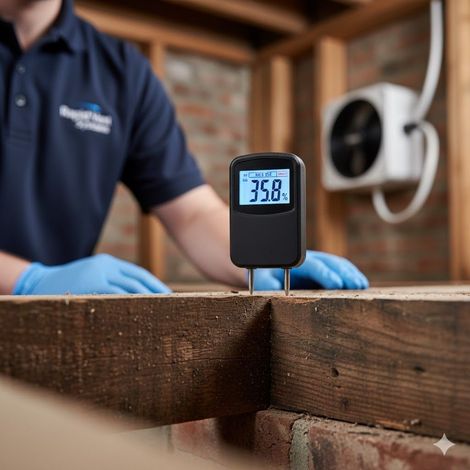
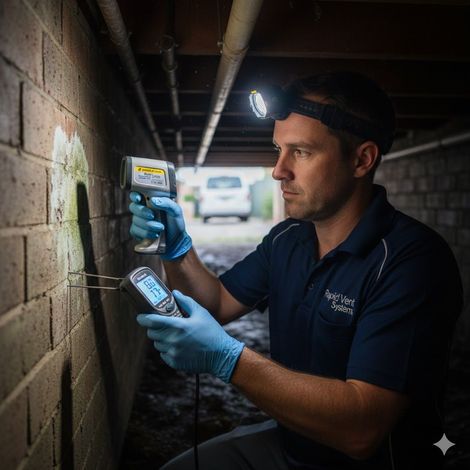
Mould growth beneath the house is often linked to excess moisture and poor airflow. Our subfloor mould inspections identify mould presence, damp environments, and air quality risks so the underlying cause can be addressed before mould spreads into walls, floors, or living spaces.
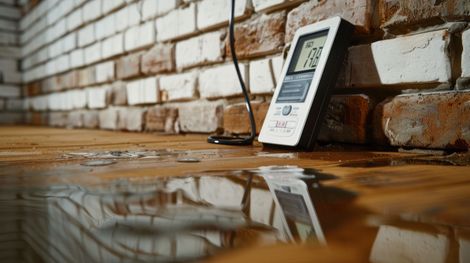
Our expert mould removal service goes beyond surface cleaning to identify and fix the moisture causing the problem. We start with a free inspection, treat affected areas, and implement a long-term solution to prevent mould from coming back — not just temporarily remove it.
Not Sure Which Service You Need?
If you’re experiencing musty smells, rising damp, or recurring mould on the ground floor, a professional inspection is the best place to start. We’ll assess your subfloor conditions and recommend the most effective solution based on evidence — not assumptions.
Common Signs Your Home May Need Subfloor Ventilation
Recurring Mould on Ground-Floor Walls or Skirting Boards
If mould continues to appear on lower walls, skirting boards, or near floor level despite regular cleaning, it often indicates excess moisture rising from beneath the home. Poor subfloor ventilation allows damp, moisture-laden air to remain trapped under the house, creating ideal conditions for mould to repeatedly return rather than being permanently resolved.
Musty Smells or Stale Air Inside the Home
Persistent musty odours are a common sign of stagnant air and high humidity in the subfloor area. When airflow is restricted, damp air can travel upward into living spaces through floorboards and wall cavities, affecting indoor air quality and making the home feel unpleasant, especially during cooler or wetter months.
Damp or Cold Floors
Floors that feel unusually cold, damp, or spongy can indicate elevated moisture levels beneath the house. Over time, excess subfloor moisture can be absorbed by timber flooring and joists, increasing the risk of warping, movement, and long-term structural deterioration.
Condensation and High Indoor Humidity
Excess moisture trapped under the house can contribute to higher humidity levels inside, leading to condensation on windows, walls, and floors — particularly on the ground level. Without adequate ventilation, this moisture has nowhere to escape, increasing the likelihood of mould growth and discomfort indoors.
Visible Damp Conditions Under the House
During inspections, damp soil, poor drainage, and moisture build-up are commonly found in Sydney subfloors, particularly in areas with clay-based soils. Without effective ventilation, this moisture can remain beneath the house for extended periods, continuously feeding damp conditions above.
Why Subfloor Ventilation Is So Important in Sydney Homes
Sydney’s Climate Makes Moisture Hard to Escape
By controlling moisture levels beneath the house, proper subfloor ventilation removes the conditions mould needs to grow. This helps prevent damp and mould from returning on walls, skirting boards, and floors — not just temporarily, but long-term.
Poor Ventilation Allows Damp Air to Build Up Under the House
Without proper airflow, moisture entering the subfloor from the ground, external walls, or plumbing cannot escape. This creates a persistently damp environment that encourages mould growth, fungal decay, and timber rot. Over time, this trapped moisture can rise into the living areas, causing musty smells, visible mould, and ongoing indoor air quality issues.
Passive Ventilation Isn’t Always Enough
Traditional passive ventilation methods, such as wall vents or air bricks, rely entirely on natural airflow. In high-humidity or low-airflow environments — which are common across Sydney — these systems are often insufficient on their own. When external air is already moisture-laden, passive vents may provide little relief, allowing damp conditions to persist under the home.
Proper Subfloor Ventilation Protects Your Home Long-Term
A well-designed subfloor ventilation system actively removes moist air and replaces it with drier airflow, helping to stabilise humidity levels beneath the house. This protects timber joists and bearers, reduces the risk of mould and termite activity, improves indoor air quality, and delivers long-term prevention — rather than temporary fixes that allow problems to return.
Our No-Pressure, Inspection-First Guarantee
We guarantee that your subfloor inspection is honest, professional, and completely pressure-free. Our role is to help you understand what’s happening under your home — not to sell you something you don’t need. If ventilation or mould treatment isn’t required, we’ll tell you clearly, and you won’t pay a cent for the inspection.
- 100% Free Subfloor Inspection — no hidden conditions
- No Call-Out Fees — ever
- Straight, Honest Advice — even if no work is required
- 3-Year Workmanship Warranty on all installations
Our Proven Process
Designed to Resolve Floor Ventilation Problems at the Source
Detailed Sub Floor Ventilation Inspection (No Call-Out Fees)
We begin by assessing the entire subfloor space, including airflow pathways, ground surface moisture, and how air moves beneath your floor area. Many floor ventilation problems in Sydney homes are caused by trapped moisture laden air, poor cross ventilation, or unsuitable conditions beneath suspended floors and suspended concrete slabs. This inspection allows us to understand how relative humidity and ground moisture are affecting your home — before recommending any solution.
Clear Diagnosis of Damp Conditions
Rather than guessing, we identify the specific causes of damp conditions, rising damp, and persistent musty odours. In many cases, moisture enters through external walls, poor drainage, or saturated ground and becomes trapped beneath the house. Without proper floor ventilation, damp air lingers and contributes to mould growth, timber decay, and declining air quality inside the home.
Selecting the Right Ventilation Solution
Once the cause is identified, we determine whether passive ventilation, mechanical systems, or targeted inline fans will provide the most effective solution. Some homes benefit from upgraded floor ventilation kits, while others require engineered airflow to actively remove moisture. The goal is always to restore healthy airflow across the subfloor area, not just add vents and hope for the best.
Professional Installation or Repair
Our team installs or repairs systems with precision, ensuring airflow is distributed evenly across the floor area and moisture is expelled effectively. Every system is configured to work with your home’s structure, soil conditions, and climate — particularly important in Sydney’s humid coastal environment.
Long-Term Moisture Control & Protection
Properly installed subfloor ventilation reduces excess humidity levels, prevents recurring damp issues, and improves long-term indoor air quality. By controlling moisture at the source, we help protect structural timber, reduce the risk of respiratory issues, and deliver an effective solution that lasts — not a temporary fix.
Why Sydney Homeowners Choose Rapid Vent Systems
Subfloor Ventilation Specialists — Not Generalists
We focus exclusively on subfloor ventilation, moisture control, and mould-related issues. That means deeper expertise, better diagnostics, and solutions designed specifically for Sydney homes — not generic fixes used by builders or handymen who “do a bit of everything.”
Inspection Before Installation — Always
Many damp and mould issues are misdiagnosed. We never install systems blindly. Every recommendation is based on a proper subfloor moisture and airflow assessment, ensuring you only invest in solutions that genuinely address the cause of the problem.
Engineered Solutions, Not Guesswork
Every home is different. Soil conditions, ground moisture, airflow pathways, and floor structure all matter. Our systems are engineered to suit your subfloor space, whether that requires passive ventilation upgrades, mechanical systems, or inline fans for consistent airflow in high-humidity conditions.
No Call-Out Fees & Honest Advice
We offer no call-out fees Sydney wide, because homeowners deserve clear answers without pressure. If ventilation isn’t the right solution, we’ll tell you — simple as that.
Quality Workmanship Backed by Warranty
All installations and repairs are completed using high-quality components suitable for Australian conditions. Every job is backed by our 3-Year Workmanship Warranty, giving you long-term peace of mind.
Long-Term Prevention, Not Temporary Fixes
Our goal isn’t to mask symptoms like musty smells or surface mould. We focus on long-term moisture control, helping prevent recurring damp issues, protect structural timber, improve indoor air quality, and reduce the risk of future mould growth.
Get Your Subfloor Checked — Before Damp & Mould Get Worse
If your home has recurring dampness, musty smells, or mould that keeps coming back, the problem is often hidden beneath the floor. The sooner moisture and airflow issues are identified, the easier — and more cost-effective — they are to fix.
Free Subfloor Moisture & Airflow Assessment
With any ventilation system quote
- No Call-Out Fees Sydney-Wide
- Inspection Before Installation
- Engineered Ventilation Solutions
- 3-Year Workmanship Warranty
Frequently Asked Questions
How much does subfloor ventilation cost in Sydney?
In Sydney, professional subfloor ventilation for a standard-sized home typically ranges between $2,500 and $4,500, depending on the size of the subfloor area, moisture levels, accessibility, and whether passive or mechanical ventilation is required. Homes with severe damp conditions, limited natural airflow, or high ground moisture may require engineered mechanical systems, which can increase costs. A proper inspection is essential to ensure the system is correctly designed and avoids unnecessary expense.
Do all Sydney homes need subfloor ventilation?
Not all homes require subfloor ventilation, but it is common in Sydney for properties with suspended timber floors to experience moisture issues beneath the home. Areas with clay soils, poor drainage, or coastal humidity are particularly prone to damp subfloor conditions. If a home experiences recurring mould, musty smells, or condensation at ground level, subfloor ventilation is often necessary to control moisture at the source.
What subfloor ventilation options are available?
Subfloor ventilation generally falls into two categories: passive ventilation and mechanical ventilation. Passive systems rely on natural airflow through vents and air bricks, which can work in low-humidity environments. However, in many Sydney homes, natural airflow alone is insufficient due to high humidity levels. Mechanical systems use inline fans to actively remove moisture-laden air from the subfloor, providing more reliable and consistent moisture control.
Can subfloor ventilation prevent mould from coming back?
Subfloor ventilation helps prevent mould from recurring by reducing excess moisture and stabilising humidity levels beneath the home. Mould thrives in damp environments, and without proper airflow, moisture remains trapped under the floor and continues to feed mould growth. While ventilation addresses the underlying cause, existing mould may still require professional treatment depending on severity.
How long does subfloor ventilation installation take?
Most subfloor ventilation installations in Sydney are completed within one day for standard homes. More complex installations involving multiple fans, difficult access, or extensive ducting may take longer. The exact timeframe depends on the home’s structure, subfloor layout, and the type of system being installed.
Is subfloor ventilation better than using dehumidifiers?
Dehumidifiers can reduce moisture inside living areas, but they do not address moisture buildup beneath the home. Subfloor ventilation works at ground level, removing damp air before it rises into the house. This makes ventilation a long-term solution, whereas dehumidifiers often provide only temporary relief and require ongoing maintenance.
Will subfloor ventilation improve indoor air quality?
Yes. Poor subfloor conditions allow damp air, mould spores, and musty odours to enter living spaces through gaps in flooring and walls. By improving airflow and reducing moisture beneath the home, subfloor ventilation helps create a healthier indoor environment and can reduce respiratory irritation caused by damp conditions.
Do you inspect the subfloor before recommending a system?
Yes. Every recommendation is based on a detailed subfloor moisture and airflow assessment. This ensures the ventilation system is suited to the home’s conditions and prevents unnecessary installations. In some cases, ventilation may not be required, and we will always provide honest advice based on our findings.
Book Your Free Subfloor Assessment Today!
Speak with a subfloor ventilation specialist and get clear, honest advice — no pressure, no guesswork.