

Expert Mould Removal Sydney
Fix It at the Source, Not Just the Surface
Claim FREE Mould Inspection & Moisture Report + 20% Off Ventilation System
Free Mould Inspection & Moisture Report
No Obligation. Included with any ventilation system quote
No Call-Out Fees Sydney Wide
100% Permanent Solution
Engineered Ventilation Systems
3-Year Workmanship Warranty
Why Mould Keeps Coming Back in Sydney Homes
Mould is a common issue across Sydney — particularly in homes with suspended timber floors, coastal exposure, and clay-heavy soil. These conditions naturally trap moisture under the house, especially during Sydney’s humid summers and wet weather periods. When subfloor ventilation is poor or blocked, that moisture builds up over time, creating damp air that rises into your home and leads to mould growth indoors.
Many homeowners try to remove mould by cleaning walls, ceilings, or using chemical treatments. While this might temporarily improve the appearance, it doesn’t address the underlying cause. That’s why the mould often returns within weeks or months — along with the same musty smell, damp feeling, and poor air quality.
In many cases, the mould you see inside your home is just a symptom of a larger issue happening underneath. Without controlling the moisture and airflow in the subfloor, the conditions for mould will continue to exist. That’s why a long-term solution requires fixing the problem at its source — not just treating the surface.
We Beat Any Written Quote!
Get in touch with us if you have any queries and we will get back to you as soon as possible.
Contact Us
We will get back to you as soon as possible.
Please try again later.




5-Star Rated By Sydney Drivers
Most Mould Removal Services Don’t Work Long-Term
Surface Cleaning Only Treats the Symptoms
Most services remove visible mould from walls, ceilings, or surfaces. While this improves appearance, it doesn’t stop mould from returning — because the conditions that caused it are still there.
Chemical Treatments Don’t Prevent Regrowth
Anti-mould sprays and treatments can kill existing mould, but they don’t eliminate moisture or humidity. As long as damp conditions remain, mould will continue to grow back over time.
Most companies provide mould removal services that focus on what you can see — not what’s actually causing the problem.
That’s why many homeowners find themselves dealing with the same issue again just weeks or months later.
The Root Cause Is Often Ignored
In many Sydney homes, mould is driven by moisture trapped under the house due to poor subfloor ventilation. If this underlying issue isn’t addressed, surface mould removal becomes a temporary fix — not a solution.
No Long-Term Moisture Control
Without improving airflow and reducing moisture levels, the environment that allows mould to grow remains unchanged. That’s why the problem keeps repeating — no matter how many times it’s cleaned.
Stop Cleaning Mould. Start Fixing What’s Causing It
Most mould removal services focus on what you can see — we focus on what’s causing it.
At Rapid Vent Systems, we don’t just remove mould. We identify and fix the subfloor moisture and airflow issues that allow it to grow in the first place. That means instead of temporary results, we provide an effective mould removal solution designed to stop mould from coming back.
Book your
FREE Subfloor Inspection & Moisture Report today — no call-out fees, no pressure, just honest advice on what’s really happening under your home.
The Hidden Health Risks of Mould in Your Home
Mould isn’t just unpleasant to look at — it can directly affect the health and comfort of everyone living in your home. In many cases, mould releases microscopic airborne spores that are invisible to the naked eye, allowing them to spread easily throughout your indoor environment and be inhaled without you even realising it.
For some homeowners, this leads to persistent symptoms such as sneezing, coughing, skin irritation, and respiratory discomfort. For others — particularly children, the elderly, or those with asthma or allergies — mould exposure can worsen existing health conditions and create ongoing indoor air quality issues. What makes it more concerning is how quickly mould can develop. Under the right conditions of moisture and organic material, mould can begin growing within 24 to 48 hours.
You may also notice early warning signs such as musty odours, visible spots on walls or ceilings, or water stains and discolouration — all of which indicate underlying moisture problems. However, removing visible mould alone doesn’t eliminate these risks. If the moisture source isn’t addressed, mould will continue to grow and spread, increasing long-term exposure inside your home.
The Hidden Cause of Mould: Subfloor Moisture
In many Sydney homes, mould problem doesn’t actually start on the surface — it starts underneath your house.
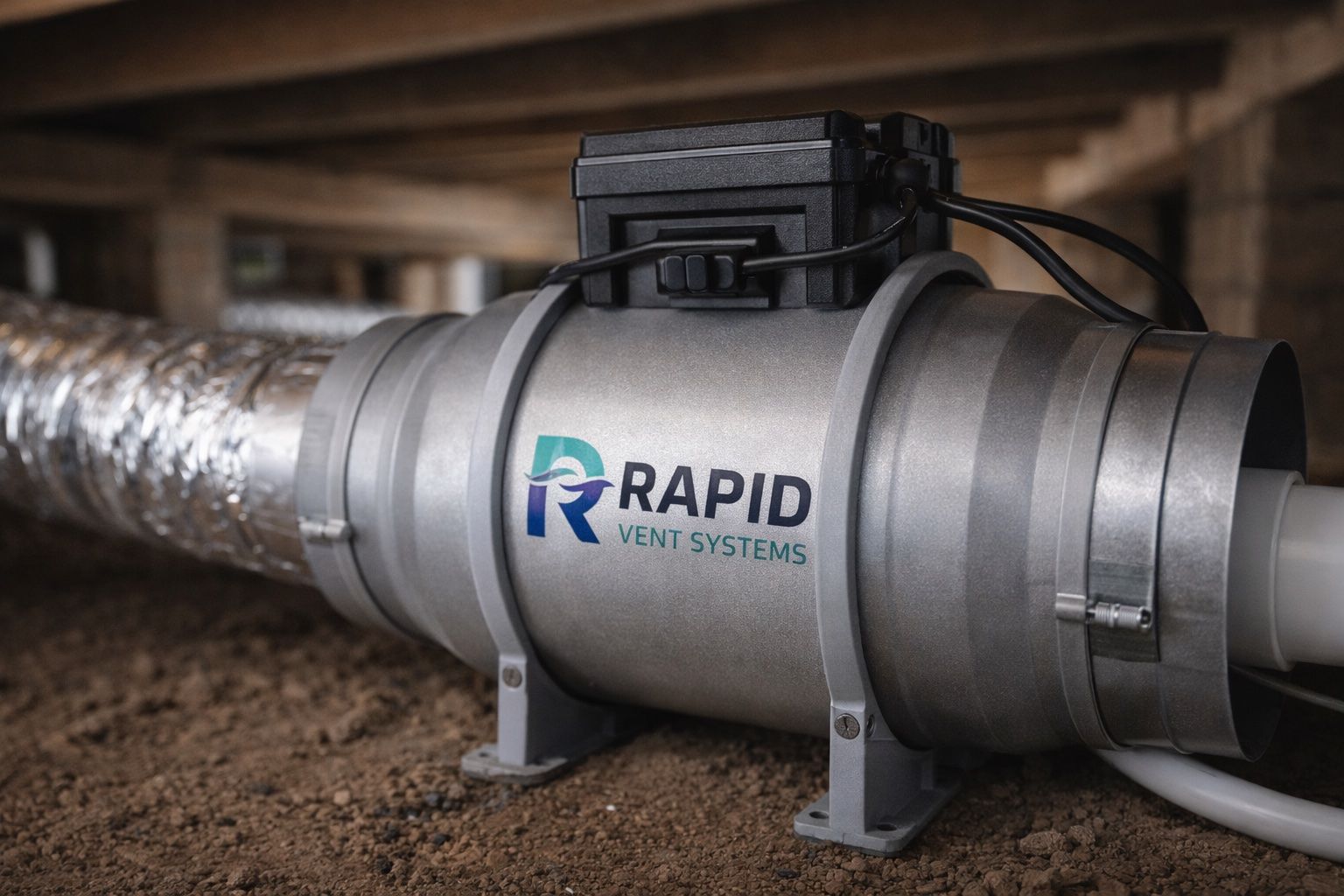
Homes with suspended timber floors have a subfloor space that can easily trap moisture over time. With Sydney’s regular rainfall and naturally damp ground conditions, water builds up beneath the house — especially in areas with poor drainage — creating a consistently damp environment that most homeowners never see.
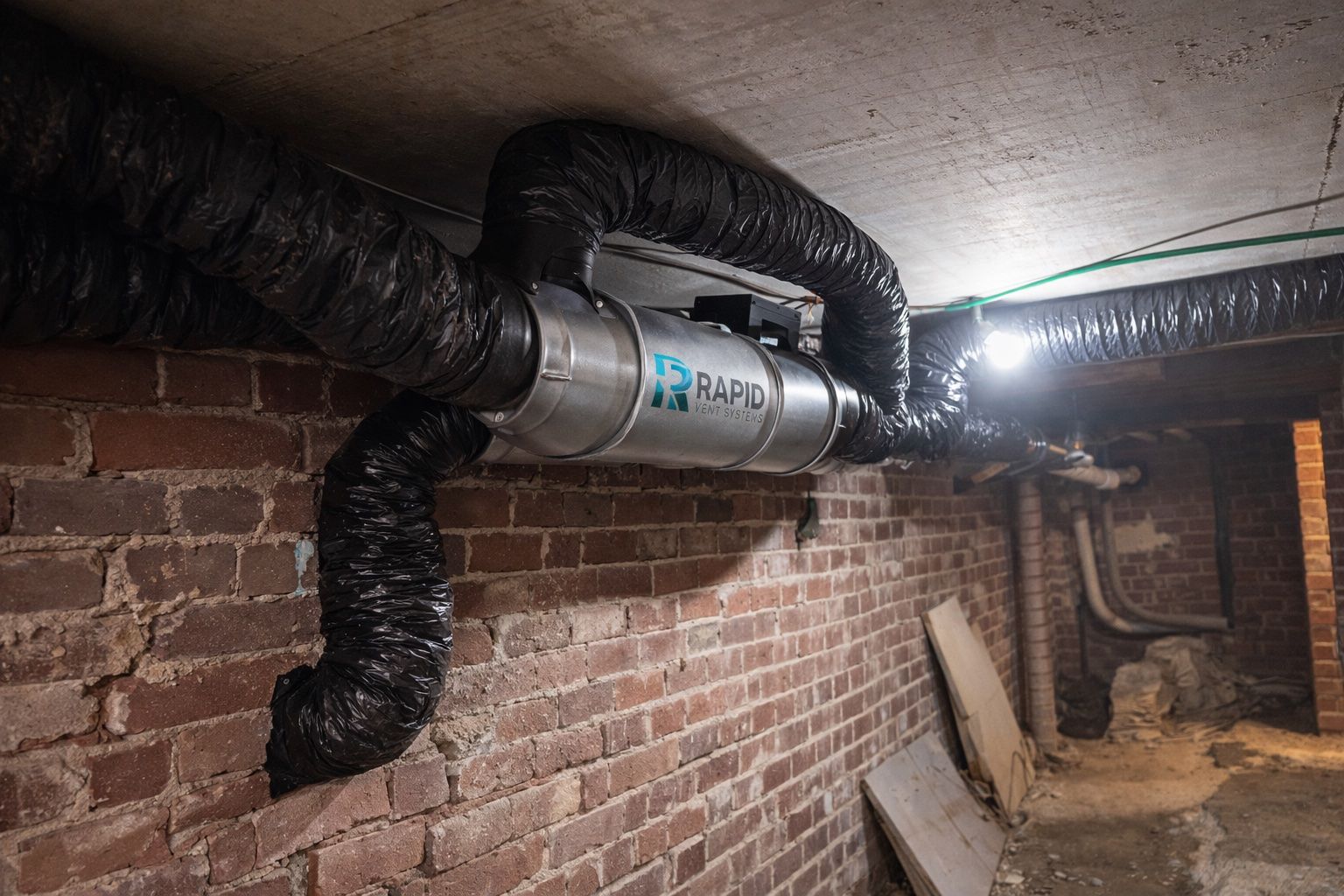
When subfloor ventilation is limited, blocked, or poorly designed, air cannot circulate properly to remove that moisture. As a result, humidity levels rise and stay trapped under the home, creating the ideal conditions for mould growth, timber decay, and persistent dampness.
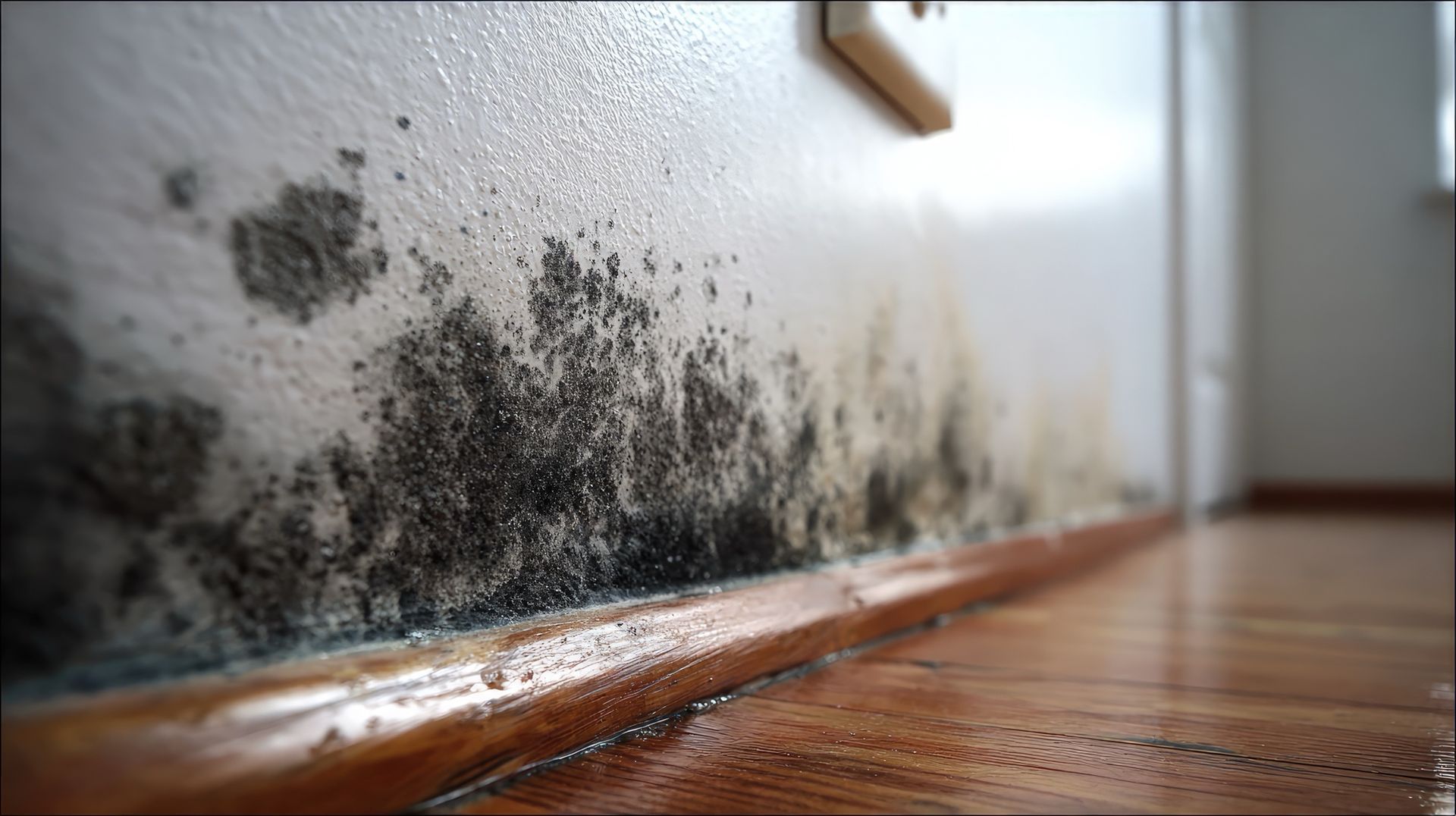
Sydney properties are particularly prone to subfloor moisture issues due to clay-heavy soil that holds water, humid coastal air, and older home designs with insufficient ventilation. These factors combine to create a high-moisture environment under the house, even when the interior appears dry.
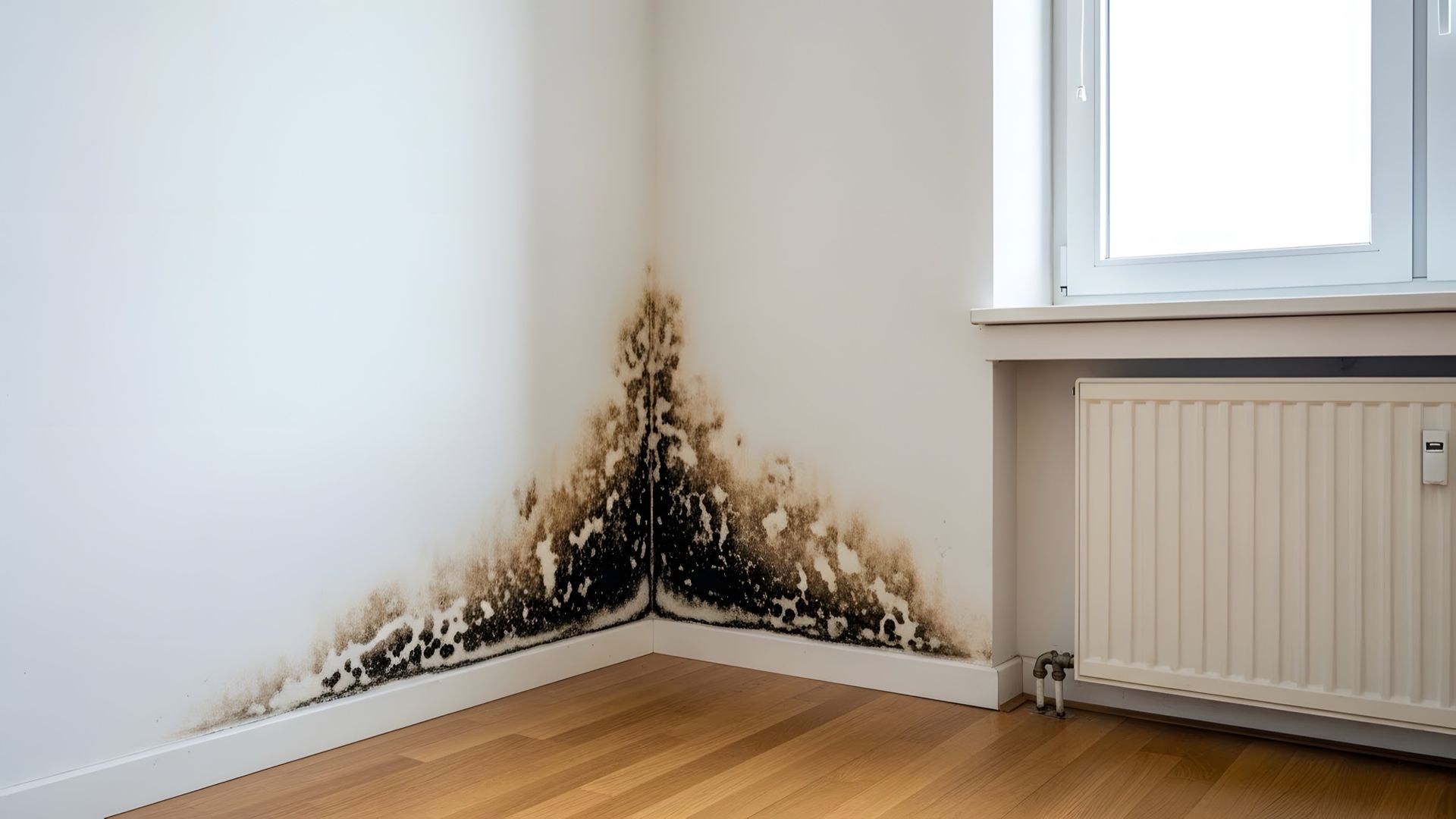
Not Sure Which Service You Need?
If you’re experiencing musty smells, rising damp, or recurring mould on the ground floor, a professional inspection is the best place to start. We’ll assess your subfloor conditions and recommend the most effective solution based on evidence — not assumptions.
Signs Your Mould Problem Is Coming From Under Your Home
Not all mould problems start on the surface. In many Sydney homes, the real issue is hidden beneath the house — and the signs are often easy to miss until the problem becomes persistent. If you’re experiencing any of the following, there’s a strong chance the cause is subfloor moisture and poor ventilation
Mould Keeps Coming Back After Cleaning
You remove it, treat it, or paint over it — but it returns within weeks or months. This is one of the clearest signs that the underlying moisture problem hasn’t been addressed.
Persistent Musty Smell Indoors
A damp, earthy smell that doesn’t go away — even after cleaning — often indicates moisture buildup under the home, with humid air rising into your living space.
Damp or Cold Floors
If your floors feel unusually cold or slightly damp, especially in the morning or during humid weather, it may be caused by excess moisture beneath the house affecting internal conditions.
Visible Mould on Walls, Ceilings or Corners
Recurring mould in corners, behind furniture, or along walls can often be linked to moisture entering from below — not just internal humidity.
Condensation on Windows or Indoor Surfaces
Frequent condensation can be a sign of high indoor humidity levels, which are often influenced by moisture coming from the subfloor area.
Timber or Structural Dampness
In more advanced cases, you may notice signs of moisture affecting timber structures under the home — which can lead to long-term damage if left untreated.
No Pressure. No Guesswork. Backed by Real Guarantees.
We believe homeowners should feel confident — not pressured — when dealing with mould and moisture issues. That’s why we provide honest, inspection-based advice, even if it means telling you that no work is needed.
All our work is backed by a 3-year workmanship warranty and a performance guarantee, so you’re not taking a risk. If the system isn’t performing as intended, we’ll come back and fix it at no extra cost.
Our Approach: Fix the Source, Not Just the Surface
At Rapid Vent Systems, we don’t follow the standard mould removal approach — because removing mould alone doesn’t stop it from coming back. Instead, we focus on identifying and controlling the moisture conditions that allow mould to grow, so you get a long-term solution — not a temporary fix.
Free Subfloor Inspection & Moisture Assessment
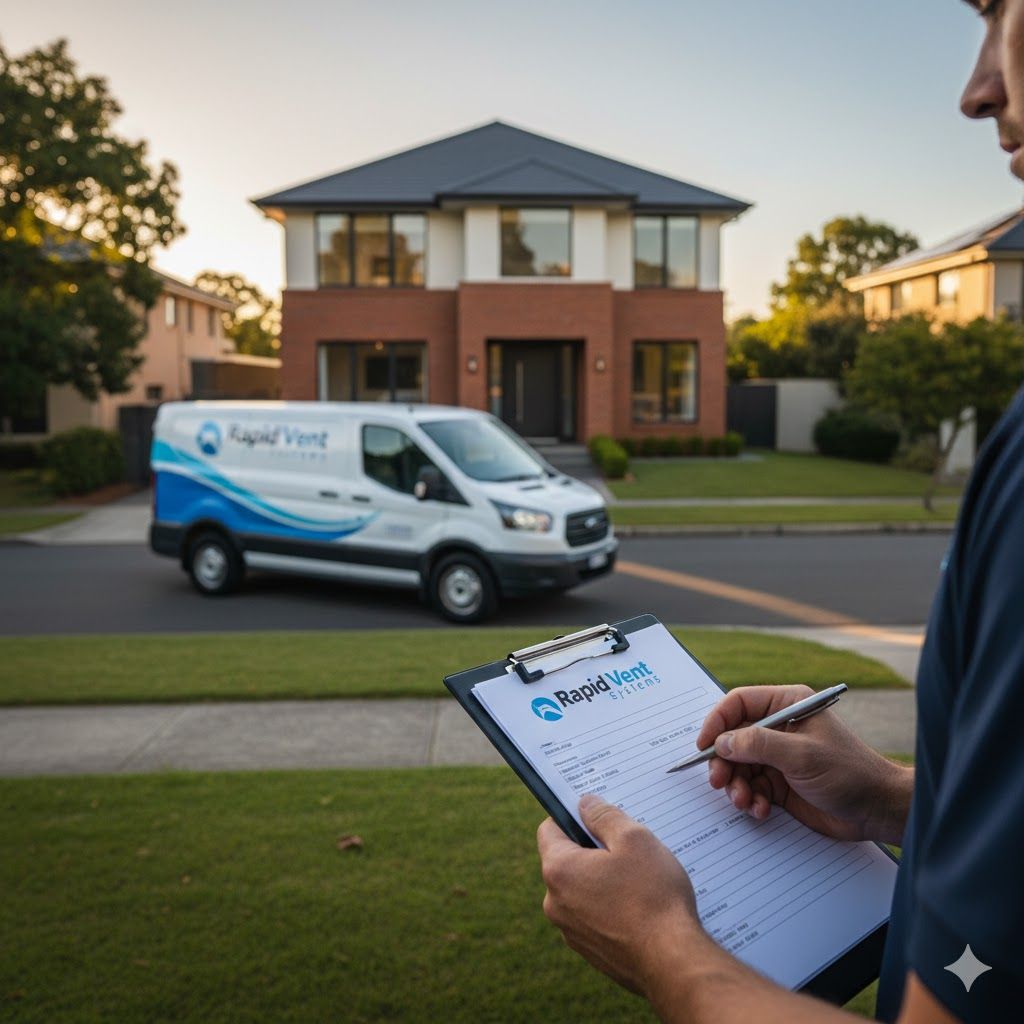
Every job starts with a comprehensive inspection — at no cost and no obligation. We assess both visible mould issues and what’s happening underneath your home, using professional tools such as moisture meters to detect damp areas and identify hidden sources of mould growth. You’ll receive a clear explanation of the problem along with practical recommendations — not guesswork.
Accurate Diagnosis — Not Just Surface-Level Treatment
Most professional mould removal services focus on cleaning visible areas like walls and ceilings. While this is part of the process, it doesn’t explain why the mould is there. We take it further by diagnosing the underlying cause — whether it’s trapped humidity, poor airflow, or moisture rising from the subfloor — so the solution is based on real conditions, not assumptions.
Treatment Is Only the First Step — Moisture Control Is Key
Surface mould can be removed using appropriate mould cleaning methods and treatments, but without controlling moisture, it will return. Mould can begin to grow within 24 to 48 hours in damp conditions, and indoor humidity levels above 60% create the ideal environment for regrowth. That’s why effective mould control isn’t just about mould cleaning — it’s about reducing moisture and stabilising airflow.
Custom Subfloor Ventilation Solution
We design tailored ventilation systems based on your home’s structure, subfloor layout, and moisture levels. By improving airflow and removing trapped humid air beneath the house, we eliminate the conditions that allow mould to thrive. This is especially important in Sydney homes, where subfloor moisture is a common but often overlooked issue.
Long-Term Prevention & Healthier Indoor Environment
Once moisture levels are under control, mould no longer has the environment it needs to grow. This means fewer recurring issues, improved indoor air quality, and a healthier home overall — without relying on repeated mould cleaning or short-term treatments.
Stop the Mould Problem Before It Gets Worse
If you’re dealing with recurring mould, musty smells, or declining indoor air quality, it’s time to take action before the issue spreads further. What you see on the surface is often only part of a larger mould problem — and without proper inspection, the affected areas can continue to grow and impact your home.
Book Your FREE Mould Assessment & Detailed Moisture Report !
We provide a free mould inspection to identify the source of the issue and deliver a clear prevention report tailored to your home. Our team focuses on safe mould remediation by addressing moisture levels and airflow — not just surface mould — so you get a solution designed to prevent mould growth long-term.
Don’t rely on repeated mould cleaning that only treats visible mould. Choose a professional mould removal approach that targets the root cause and delivers effective mould removal results you can rely on.
Frequently Asked Questions - Mould Removal
How much does mould removal cost in Sydney?
The cost of mould removal services can vary depending on the size of the mould problem, the affected areas, and the underlying cause. Many companies offer a free mould inspection to assess the situation before providing a quote. However, it’s important to understand that pricing should reflect not just cleaning, but whether the root cause — such as moisture levels or ventilation — is being properly addressed.
How is your mould removal different from standard cleaning services?
Many mould removal services focus on surface cleaning — treating visible mould on walls, ceilings, and other surfaces. While this can improve appearance, it doesn’t stop mould from returning. We take a different approach by identifying moisture sources and ventilation issues, then applying a long-term solution designed to prevent regrowth — not just remove mould temporarily.
Do you guarantee your mould removal work?
Yes — our work is backed by a workmanship warranty and performance guarantee. If mould returns due to issues within our system, we’ll come back and fix it. This gives you confidence that the solution is designed for long-term results, not just short-term cleaning.
What’s involved in your mould removal process?
Our process starts with a detailed inspection to identify affected areas and hidden moisture sources. Where required, we treat visible mould on walls, ceilings, and other surfaces, and may use air treatment methods to reduce airborne spores. Most importantly, we focus on correcting the conditions that allow mould to grow — such as poor airflow and high moisture levels.
Can I remove mould myself using household products?
Some household solutions like vinegar or clove oil can help treat small patches of mould on hard surfaces. However, these methods typically don’t address the underlying cause and may only provide temporary results. For recurring mould issues or larger areas, professional mould removal is recommended to ensure the problem is properly resolved.
Is mould removal safe for my home and family?
Yes — when handled correctly, mould removal can be done safely. Professional services use controlled methods and, where needed, low-toxicity or plant-based treatments that are safer for indoor environments. If attempting DIY, it’s important to use protective equipment such as a mask, gloves, and eye protection to avoid exposure to airborne spores.
When should I call a professional mould removal specialist?
If mould covers a large area, keeps coming back, or is linked to water damage or high moisture levels, it’s best to bring in a professional. Larger infestations (typically over 1 square metre) and mould caused by flooding or ongoing dampness require proper assessment and remediation to prevent further spread.
How do you prevent mould from coming back?
Preventing mould growth comes down to controlling moisture and improving ventilation. This may involve addressing subfloor moisture, repairing leaks, and ensuring consistent airflow throughout the home. Without fixing these conditions, mould is likely to return — even after cleaning.
Book Your Free Subfloor Assessment Today!
Speak with a subfloor ventilation specialist and get clear, honest advice — no pressure, no guesswork.