
Subfloor Moisture Inspection in Sydney
Don't Guess What's Happening Beneath Your Home — Get the Facts Before Damage Spreads
Who We Are
Damp problems rarely announce themselves until damage is already underway. A professional subfloor moisture inspection reveals exactly what's happening beneath your floors — moisture levels, ventilation effectiveness, and early warning signs of mould, timber rot, or pest activity. Rapid Vent Systems provides thorough subfloor inspections that give Sydney homeowners the information needed to make an informed decision about protecting their property.
- No Call-Out Fees Sydney Wide
- Inspection Before Installation
- Engineered Ventilation Solutions
- 3-Year Workmanship Warranty
Sydney homeowners trust our inspection expertise to uncover hidden moisture issues and recommend effective solutions — not unnecessary work.
Free Subfloor Moisture & Airflow Assessment
Included with any ventilation system quote
We Beat Any Written Quote!
Get in touch with us if you have any queries and we will get back to you as soon as possible.
Contact Us
We will get back to you as soon as possible.
Please try again later.
Why Subfloor Problems Often Go Undetected Until Costly Damage Occurs
Subfloor spaces sit out of sight and out of mind. Homeowners rarely venture beneath their house, and warning signs inside the home — musty smells, cold floors, recurring mould — are often attributed to other causes. By the time damage becomes obvious, months or years of moisture exposure have already taken their toll.
Sydney's climate accelerates this hidden deterioration. High humidity, coastal air, and annual rainfall exceeding 1,200mm create persistent moisture beneath homes. Clay soils retain water for extended periods, continuously feeding dampness into subfloor areas even during dry weather.
Rapid Vent Systems' subfloor inspections expose these hidden conditions before they escalate. Our
detailed assessment measures moisture content in timber and concrete, evaluates ventilation effectiveness, and identifies early signs of damage — giving you the facts needed to act before repairs become expensive.
What Excess Moisture Does to Your Home Over Time
Timber framing beneath your floor absorbs moisture from the surrounding air. As moisture content rises above acceptable levels, timber begins deteriorating. Fungal decay sets in, weakening structural timbers. Floorboards warp, joints loosen, and structural integrity gradually diminishes.
Subterranean termites actively seek damp timber for nesting and feeding. A moist subfloor area becomes a direct invitation for timber pests that cause catastrophic damage if left untreated. Termites cost Australian homeowners billions annually — damage often preventable through early moisture detection and control.
Our Subfloor Moisture Inspection Process
Property Review and Access Assessment
Every inspection begins with understanding your property's characteristics. We review construction type, site conditions, and any known history of damp conditions or pest activity. Access points to the subfloor area are identified, and clearance is assessed to determine inspection methods.
Visual Examination of the Subfloor Area
Our inspector enters the subfloor space to conduct thorough visual examination. We inspect subfloor timbers, bearers, joists, and the underside of flooring for signs of moisture damage, mould growth, fungal decay, or pest activity. Existing vents are checked for blockages or inadequate placement.
Moisture Testing with Professional Equipment
We use calibrated moisture meters to measure moisture content in timber and concrete subfloor surfaces. Pin-type meters provide precise readings in timber, while non-invasive meters assess concrete without damage. These moisture readings reveal whether levels fall within acceptable ranges or indicate problems requiring attention.
Ventilation and Airflow Evaluation
Adequate ventilation prevents moisture accumulation. We assess existing vents for quantity, placement, and effectiveness. Natural airflow patterns are evaluated, and restrictions from landscaping, stored items, or building modifications are noted. This determines whether current ventilation adequately protects your subfloor.
Detailed Inspection Report and Recommendations
Following inspection, you receive a comprehensive inspection report documenting findings with photographs and moisture reports. The report explains conditions discovered, identifies risk areas, and provides clear recommendations. If ventilation improvements or repairs are needed, we outline options so you can make an informed decision.
Concerned about moisture beneath your home?
When You Should Arrange a Subfloor Inspection
Before Purchasing Property
A building and pest inspection covers general property condition, but dedicated subfloor moisture inspection provides deeper assessment of conditions beneath the raised floor. Buyers making a significant commercial property investment benefit from understanding exactly what exists below before committing.
Recurring Mould or Damp Inside the Home
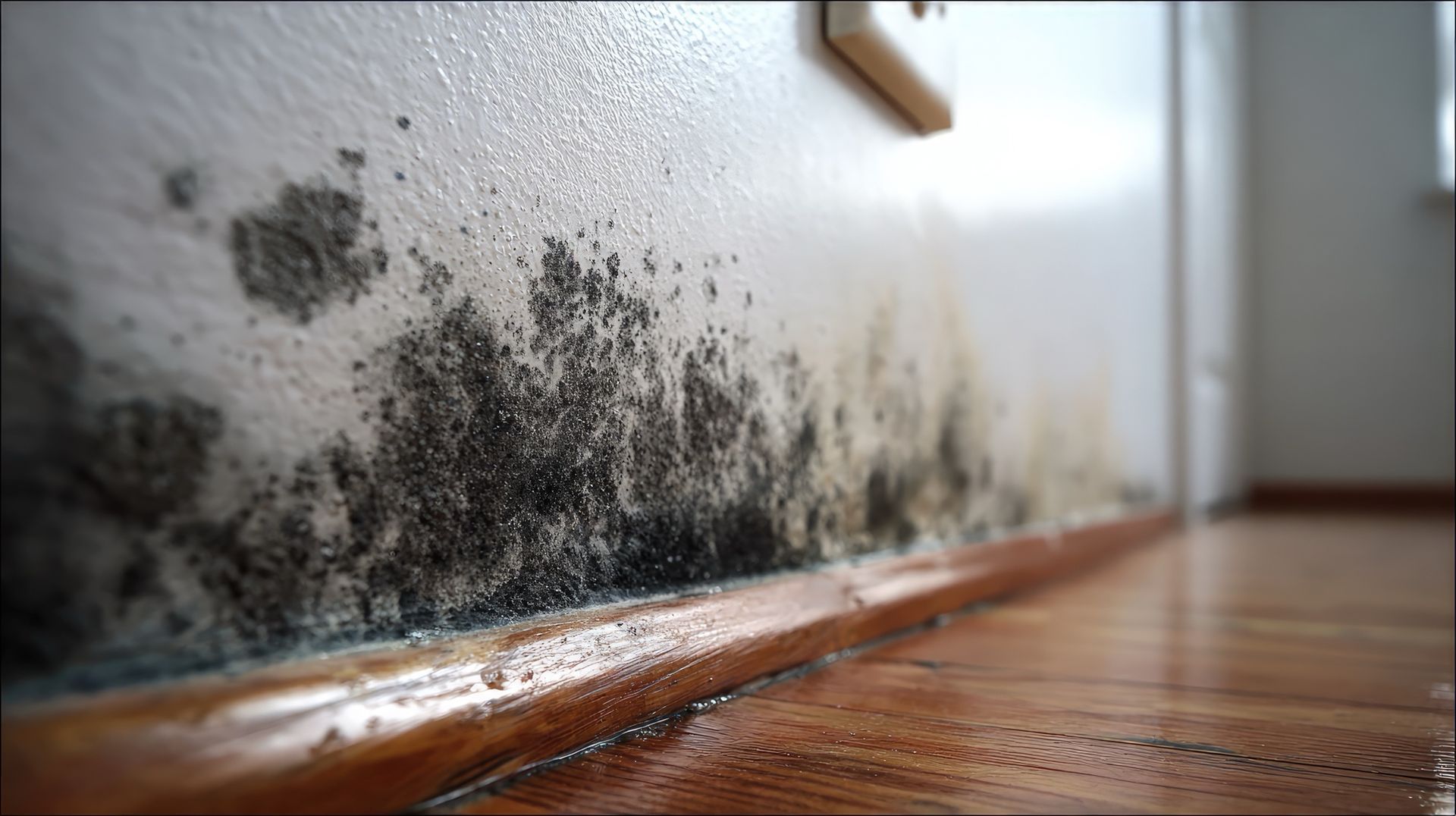
Mould returning despite cleaning, damp patches on ground-floor walls, or persistent musty smells often trace to subfloor moisture. Inspection identifies whether conditions beneath the house are feeding these problems.
After Storms or Flooding Events
Heavy rain can overwhelm drainage and introduce condensation beneath homes. Post-event inspection reveals whether moisture has accumulated and whether remediation is required to prevent ongoing damage.
Older Homes with Unknown History
Many older homes have inadequate subfloor ventilation by modern standards. If your house predates current building codes, inspection reveals whether moisture levels pose risk to timber framing and floor structure.
Before Floor Covering Installation
Excessive subfloor moisture causes adhesive failure and floor covering damage. A flooring installer may require moisture testing before proceeding. Our inspection provides the moisture readings needed to ensure successful installation.
Routine Property Maintenance
Proactive homeowners include periodic subfloor inspections in their maintenance schedule. Catching moisture issues early prevents the extensive repairs required when problems go undetected for years.
What We Inspect and Measure
Timber Moisture Content
Using professional moisture meters, we measure moisture levels in subfloor timbers including bearers, joists, and flooring underside. Acceptable timber moisture content sits between 12-16% equilibrium moisture content. Readings above this range indicate conditions promoting timber decay.
Concrete Moisture Levels
For homes with concrete subfloor areas, we assess moisture using appropriate testing methods. Excess moisture in concrete affects floor coverings and indicates drainage or damp-proofing issues requiring attention.
Relative Humidity
Hygrometer readings measure air moisture in the subfloor space. Relative humidity exceeding 70-75% creates conditions where mould thrives and timber absorbs excess moisture from surrounding air.
Ventilation Adequacy
Australian standards specify minimum vent areas for subfloor spaces. We assess whether existing vents meet these requirements and whether airflow actually moves through the space effectively.
Signs of Pest Activity
During building inspection, we note any evidence of termites or other timber pests on the floor covering. While not a replacement for dedicated pest inspection, our assessment identifies visible pest activity and conditions attracting subterranean termites.
Structural Condition
We visually assess timber framing for signs of damage, rot, or deterioration. Any structural concerns on the sub floor are documented and recommendations provided for further assessment by appropriate professionals.
Why Professional Inspection Matters
DIY moisture checks using consumer-grade tools provide limited information and often miss critical issues. Professional subfloor inspections use calibrated equipment, systematic methodology, and trained assessment that delivers reliable results you can trust.
Our inspectors understand Sydney's specific conditions — the soil types, climate patterns, and construction methods common across the region. This local knowledge ensures accurate interpretation of findings and practical recommendations.
Rapid Vent Systems conducts every inspection with thoroughness and honesty. If your subfloor is healthy, we tell you. If problems exist, we explain exactly what we found and what solutions will actually address the issue.
What professional inspection provides that DIY cannot:
- Calibrated moisture meters providing accurate readings to Australian standards
- Systematic inspection covering the entire subfloor area
- Expert interpretation identifying genuine problems versus normal conditions
- Detailed inspection report documenting findings for future reference
- Practical recommendations based on your specific property conditions
Subfloor Inspection Cost and Value
Professional subfloor moisture inspection typically costs between $200 and $400 depending on property size, access conditions, and inspection scope. This investment provides clarity about conditions beneath your home and guides decisions about ventilation or remediation.
The value becomes clear when compared to repair costs. Addressing timber rot and structural damage from prolonged moisture exposure can exceed $10,000. Termite damage remediation costs thousands more. Early detection through professional inspection prevents these expensive outcomes.
For homeowners selling property, inspection reports demonstrate due diligence and can prevent disputes arising from undisclosed subfloor walls issues. Buyers benefit equally — understanding subfloor conditions before purchase protects your property investment from unexpected repair costs.
Servicing Subfloor Inspections Across Sydney
Rapid Vent Systems provides subfloor moisture inspection services throughout Sydney. Our inspectors work across the metropolitan area, from coastal suburbs with high humidity to inland areas where clay soils retain ground moisture.
We schedule building and pest inspections at convenient times and complete most assessments within 1-2 hours. Essential access requirements are discussed beforehand so you know what to expect. Following inspection, we explain findings clearly and answer your questions.
Whether you need pre-purchase assessment, investigation of existing damp problems, or routine maintenance inspection, our team delivers thorough, honest evaluation of your subfloor conditions.
What Sydney Homeowners Ask
Subfloor Moisture Inspection FAQs
How much does subfloor moisture inspection cost?
Most inspections cost between $200 and $400 depending on property size and access conditions. We provide accurate pricing when you contact us with your property details.
How long does inspection take?
Standard subfloor inspections take 1-2 hours including property review, physical inspection, moisture testing, and discussion of findings. Larger properties or complex conditions may require additional time.
Is this different from a building and pest inspection?
Yes. A building and pest inspection provides general property assessment. Our subfloor moisture inspection focuses specifically on moisture levels, ventilation effectiveness, and conditions beneath floors — providing greater depth in this critical area.
What if you find serious problems?
We document all findings in your inspection report and explain what we discovered. For moisture issues, we recommend appropriate ventilation solutions. For structural concerns or significant pest activity, we advise consulting appropriate specialists.
Can you inspect if access is limited?
We assess access during initial enquiry. Minimum clearance of 600mm is preferred for physical entry. For restricted spaces, we use alternative methods including cameras and extended probes to gather information without full entry.
Do I need inspection if I don't see any problems?
Subfloor issues often remain hidden until damage advances. Proactive inspection identifies developing problems before they cause visible damage — particularly valuable in older homes or properties in high-moisture areas of Sydney.
What moisture levels are acceptable?
70-75% indicates adequate conditions. Our inspection report explains readings in context of your specific property and Sydney conditions.
Will you try to sell me ventilation I don't need?
Our inspection-first approach means we assess first and recommend only what's genuinely required. If your subfloor is adequately ventilated and moisture levels are acceptable, we tell you — you won't be pressured into unnecessary installation.
How often should I have my subfloor inspected?
Annual or biennial inspections provide good ongoing monitoring, particularly for older homes or properties with previous moisture issues. More frequent inspection may benefit homes in flood-prone or high-humidity areas.
Do you provide written reports?
Yes. Every inspection includes a detailed inspection report with photographs, moisture data, and clear recommendations. This documentation serves as valuable reference for maintenance planning or property transactions.
Know What's Beneath Your Home — Before Problems Escalate
Hidden moisture causes damage that compounds over time. Professional subfloor moisture inspection reveals conditions beneath your floors, identifies developing problems, and guides decisions about protecting your property. Don't wait until damage becomes obvious and expensive.
Rapid Vent Systems delivers thorough subfloor inspections across Sydney. Our honest, inspection-first approach ensures you receive accurate information and practical recommendations — not sales pressure.
Free Subfloor Moisture & Airflow Assessment
Included with any ventilation system quote
Why Choose Rapid Vent Systems:
- No Call-Out Fees Sydney-Wide
- Inspection Before Installation
- Engineered Ventilation Solutions
- 3-Year Workmanship Warranty

Book your free sub floor assessment today!
and get the facts before moisture damage spreads.