
Subfloor Ventilation System Solutions in Sydney
Persistent Damp and Mould? The Solution Starts Beneath Your Floors
Who We Are
Moisture trapped under your house rises through floorboards, seeps into walls, and feeds the mould that keeps returning despite cleaning. A sub floor ventilation system removes damp air before it damages your home. Rapid Vent Systems designs and installs engineered subfloor ventilation solutions tailored to Sydney's humid climate.
- No Call-Out Fees Sydney Wide
- Inspection Before Installation
- Engineered Ventilation Solutions
- 3-Year Workmanship Warranty
Sydney homeowners trust our sub floor ventilation expertise to eliminate dampness, stop mould, and protect structural timber long-term.
Free Subfloor Moisture & Airflow Assessment
Included with any ventilation system quote
We Beat Any Written Quote!
Get in touch with us if you have any queries and we will get back to you as soon as possible.
Contact Us
We will get back to you as soon as possible.
Please try again later.
Why Surface Treatments Fail to Stop Mould and Dampness
Cleaning mould off walls provides temporary relief. Within weeks, dark patches return and musty smells persist. Surface treatments address symptoms while ignoring the moisture source beneath your house — where damp air stays trapped without adequate floor ventilation to remove it.
Sydney's climate makes sub floor moisture accumulation inevitable. High humidity, coastal air, and 1,200mm annual rainfall saturate ground beneath homes. Clay soils retain moisture for months. Without subfloor ventilation, this damp air has nowhere to escape.
Rapid Vent Systems solves this at the source. Our engineered
sub floor ventilation systems create consistent airflow beneath your house, drawing damp air out and replacing it with fresh air — eliminating the conditions that cause mould growth and protecting your home long-term.
The Hidden Damage Occurring Beneath Your Home
While mould grows visibly on walls, moisture causes far greater damage in your subfloor space. Timber joists and bearers absorb excess humidity, leading to rotting, warping, and long term structural damage that costs thousands to repair.
Health problems accompany structural concerns. Mould spores and allergens from damp subfloor areas rise into living spaces through gaps in floorboards. Poor indoor air quality triggers respiratory issues, allergies, and persistent illness — problems many homeowners never connect to sub floor conditions.
How Sub Floor Ventilation Systems Work
The Principle Behind Effective Floor Ventilation
Sub floor ventilation operates by removing moisture-laden air from beneath the house and replacing it with drier outside air. This continuous exchange prevents dampness accumulating in the subfloor space. Industry standards target 1-2 complete air changes per hour for effective moisture control.
The appropriate system depends on your home's layout, subfloor areas, existing vents, and moisture levels. Generic floor ventilation kits often disappoint because they ignore these variables. Engineered solutions designed after proper inspection deliver reliable results.
Passive Vents vs Mechanical Floor Ventilation
| System Type | How It Works | Best Suited For |
|---|---|---|
| Passive Vents | Natural airflow through wall vents | Low moisture, good external airflow |
| Mechanical Fans | Powered inline fans draw air actively | High moisture, restricted airflow |
| Combined System | Fans supplement existing passive vents | Most Sydney homes with damp issues |
Passive vents rely on wind and air pressure to move air through the sub floor. In homes with good subfloor ventilation and moderate dampness, passive systems work adequately. However, fencing, landscaping, and neighbouring buildings often restrict natural airflow across Sydney properties.
Mechanical sub floor ventilation uses powered fans to create consistent airflow regardless of external conditions. Inline fans mounted in ducting actively draw fresh air through the subfloor space. Most Sydney homes with persistent damp require mechanical systems to achieve adequate air exchange.
Components of a Complete Ventilation System
Professional floor ventilation kits include several components working together. Inline fans provide powerful extraction, moving large volumes of air per hour through the subfloor. Ducting channels airflow from intake points to exhaust vents efficiently.
Back boxes connect ducting to external walls, creating sealed entry and exit points. A digital timer controls fan operation, allowing systems to run during optimal conditions. Extra parts like duct tape secure connections and prevent air leakage throughout the system.
Our Sub Floor Ventilation Installation Process
Subfloor Inspection and Assessment
Every installation begins with thorough inspection. We assess moisture levels, existing floor ventilation kits, subfloor layout, and airflow restrictions. This determines the appropriate system and ensures our solutions address your specific conditions — not assumptions.
System Design and Planning
Based on inspection findings, we design a subfloor ventilation system matching your home's requirements. Fan capacity, vent placement, and ducting layout are calculated to achieve proper air exchange across the entire sub floor area.
Component Installation
Our team installs fans, ducting, back boxes, and vents according to the engineered design. Subfloor fans are positioned for maximum efficiency. Ducting runs are secured with duct tape to prevent leaks. All electrical work meets AS/NZS 3000 standards.
System Commissioning
Installed systems are tested for airflow, noise levels, and proper operation. We verify air changes meet target rates and adjust fan settings via digital timer for optimal performance. You receive guidance on maintaining your new subfloor system.
Ready to fix your sub floor moisture problems? Book your free assessment today.
Common Causes of Sub Floor Moisture in Sydney Homes
Blocked or Insufficient Vents
Overgrown gardens, stored items, and building extensions block existing passive vents, trapping damp air beneath the house. In many cases, simply clearing obstructions isn't enough once moisture has accumulated.
Clay Soils and Poor Drainage
Sydney's clay-heavy soils retain ground moisture for extended periods. Without adequate floor ventilation kits, this moisture evaporates into the subfloor space and remains trapped, creating persistent dampness.
Low Subfloor Clearance
Homes with limited crawl space depth restrict fresh airflow. Space constraints make passive ventilation ineffective, requiring mechanical fans to ventilate these confined subfloor areas adequately.
Coastal Humidity
Properties near the ocean face elevated relative humidity year-round. Salt-laden air accelerates corrosion on existing vents while high ambient moisture reduces passive ventilation effectiveness.
Building Design and Extensions
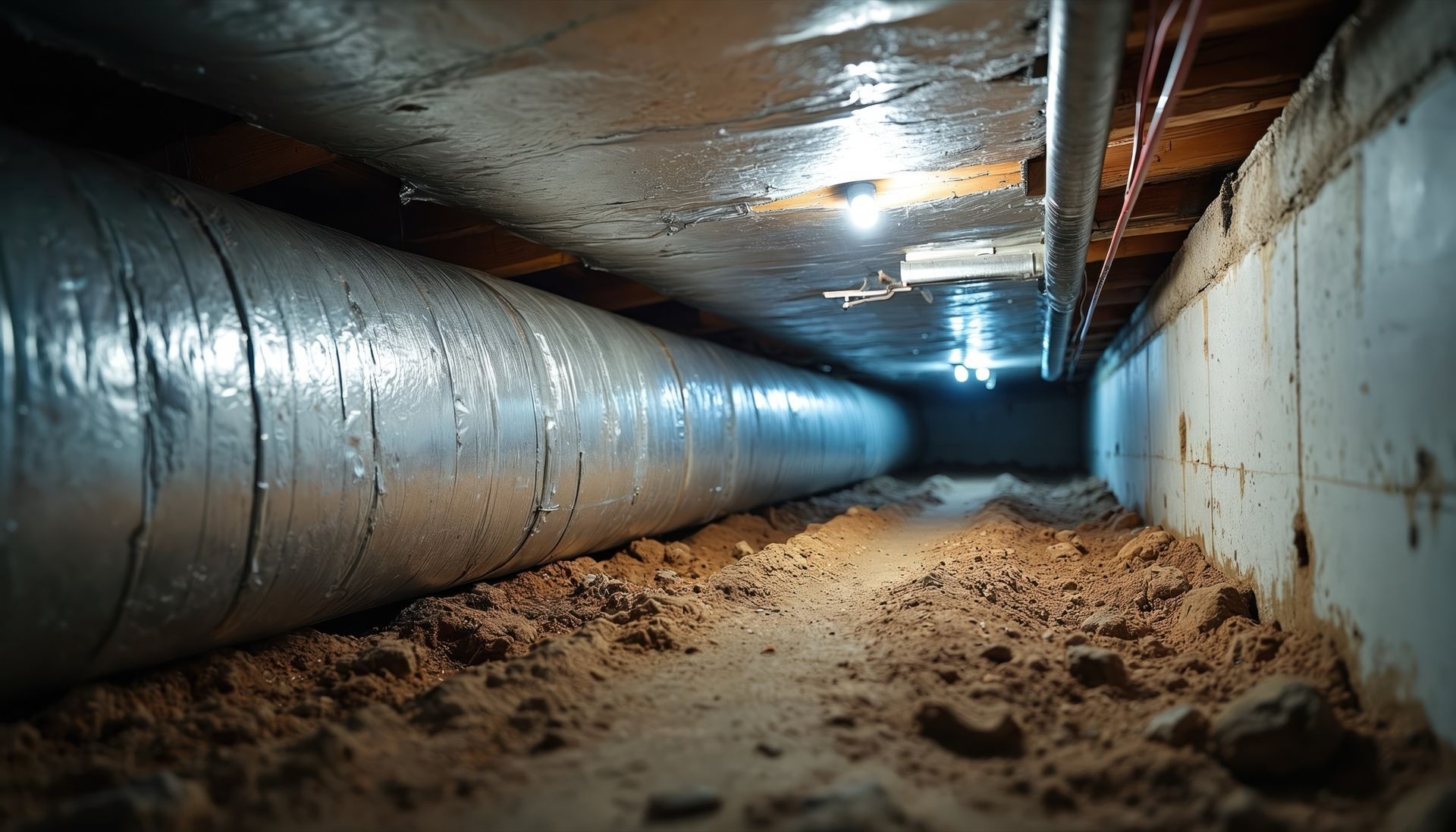
Renovations and extensions often reduce subfloor airflow by blocking cross-ventilation pathways. Changes to the original building structure create stagnant zones where moisture accumulates.
Rising Damp and Water Ingress
Groundwater or stormwater entering the subfloor space adds moisture faster than passive vents can remove it. These conditions require mechanical extraction to maintain dry conditions.
Not Sure Which Service You Need?
We’ll assess your subfloor conditions and recommend the most effective solution based on evidence — not assumptions.
Why Professional Sub Floor Ventilation Installation Matters
DIY floor ventilation kits appeal to budget-conscious homeowners, but improper installation wastes money and leaves damp problems unresolved. System design requires understanding airflow dynamics, moisture sources, and your home's specific structure.
Professional installation ensures fans and ducting create effective cross-ventilation across large areas and confined spaces alike. Correct component selection and placement deliver the air exchange rates your subfloor needs.
Rapid Vent Systems brings expertise to every installation. Our
floor ventilation kits are selected for your home's requirements. Our technicians ensure systems operate at peak efficiency from day one.
Common DIY mistakes that fail to solve dampness:
- Undersized fans unable to ventilate the full sub floor area
- Poor ducting layout creating dead zones with stagnant air
- Incorrect vent placement failing to establish cross-flow
- Missing digital timer leading to inefficient operation
- Unsealed connections allowing air leakage through the system
Sub Floor Ventilation Cost and Investment
Subfloor ventilation system costs vary based on home size, moisture severity, and system complexity. Standard installations for average Sydney homes typically range from $2,500 to $4,500. Homes with large areas, difficult access, or severe dampness may require more extensive solutions.
This investment delivers substantial returns. Protecting timber floors and structural framing prevents repair costs reaching $10,000 or more for rotting damage. Eliminating mould growth improves indoor air quality and reduces health problems linked to damp conditions.
We provide detailed quotes following inspection, with all costs explained upfront. Our pricing covers quality components, professional installation, and the
3-Year Workmanship Warranty backing every system we install. This cost effective solution protects your home for years.
Servicing Sub Floor Ventilation Across Sydney
Rapid Vent Systems provides sub floor ventilation installation, repair, and inspection services across Sydney. Our teams work throughout the metropolitan area, from coastal suburbs facing high humidity to inland areas with clay soil moisture challenges.
We schedule appointments at convenient times and complete most installations within 1-2 days. Our process minimises disruption to your house and daily routine while delivering effective solutions that suit your specific conditions.
Whether your home needs a new subfloor ventilation system, upgrades to existing passive vents, or
repairs to underperforming fans, our experienced technicians deliver efficient, reliable service backed by warranty.
What Sydney Homeowners Ask
Sub Floor Ventilation FAQs
Why are subfloor areas in Sydney prone to dampness?
Subfloor areas are especially vulnerable to damp conditions, particularly in older homes built on stumps or raised foundations. Sydney’s humid summers and wet winters create a high-moisture environment that traps damp air beneath suspended timber floors. Without proper ventilation, this moisture cannot escape, leading to persistent dampness, musty odours, and structural concerns over time.
Why is poor subfloor ventilation a serious issue?
A poorly ventilated subfloor remains persistently damp, creating ideal conditions for mould, mildew, bacteria, and timber decay. Damp, humid environments also attract termites, borers, and rodents. In Sydney, where termite activity is common, maintaining dry subfloor conditions is essential for protecting structural timber and deterring pests.
Can subfloor ventilation improve air quality inside the home?
Yes. When damp air is trapped beneath the home, it can rise into living areas through gaps in flooring and wall cavities. This can contribute to allergens, pollutants, dust circulation, and musty odours inside the home. Installing a properly designed subfloor ventilation system promotes continuous airflow beneath the house, helping maintain drier conditions and supporting cleaner indoor air.
What is a subfloor ventilation kit?
A subfloor ventilation kit is a pre-designed system that includes inline fans, ducting, vents, and control components to create consistent airflow beneath the home. These kits are designed to suit different subfloor sizes and moisture conditions.
Professional-grade kits typically include:
- High-efficiency inline fans
- Straight, direct ducting for optimal airflow
- Purpose-made back boxes that replace standard bricks
- Digital timers for controlled operation
Our systems use the same premium components we install in our own projects, ensuring durability and performance.
Are there different types of subfloor ventilation systems?
Yes. Subfloor ventilation systems can vary depending on the property’s size, moisture levels, and access conditions.
Options include:
- Mechanical inline fan systems for consistent extraction
- Solar-powered subfloor ventilation systems that operate during daylight hours when moisture buildup is highest
- Hybrid solar systems with backup power for continuous operation, including at night
- DIY subfloor ventilation kits for homeowners who prefer self-installation (electrical work must be completed by a licensed electrician)
There are kits available to suit small, medium, and large subfloor areas, and systems can be tailored to meet specific airflow requirements.
Are solar-powered subfloor ventilation systems effective?
Solar-powered subfloor ventilation systems operate consistently during the day, which is when heat and moisture buildup are typically highest. This makes them effective for ongoing moisture management.
Hybrid solar systems are also available, allowing continuous operation even during low-light periods or at night. These systems can be tailored to suit different home sizes and ventilation needs.
How do digital timers improve system performance?
Modern subfloor ventilation systems often include premium digital timers with built-in battery backup. These timers allow homeowners to control operating schedules and ensure the system continues running as programmed even during power outages.
Controlled operation improves efficiency and reduces unnecessary energy usage while maintaining consistent airflow.
How is a subfloor ventilation system installed?
Professional installation typically involves removing two standard bricks and replacing them with a purpose-made vent back box. This creates a neat, secure opening for ducting and airflow.
Ducting must be installed straight and direct, avoiding kinks that restrict airflow. In some cases, sealing air leaks or improving drainage may also be required to ensure optimal performance.
Professional installation for a two-fan subfloor ventilation system in Sydney typically costs under $3,000, depending on access and system requirements.
Can I install a DIY subfloor ventilation kit?
DIY kits are available and can create continuous airflow beneath your home when installed correctly. However, accurate system design requires measuring subfloor cubic volume and calculating required air changes per hour.
Electrical components must be installed by a licensed electrician in accordance with Australian regulations. Improper installation can reduce airflow efficiency and limit moisture control effectiveness.
Do you offer warranties?
All installations include our 3-Year Workmanship Warranty covering installation quality and system performance. Component manufacturers provide additional product warranties.
What if ventilation isn't the right solution for my home?
Our inspection-first approach identifies exactly what your home needs. If ventilation won't solve your problem, we tell you honestly and recommend appropriate alternatives — you won't pay for unnecessary work.
Protect Your Home from Sub Floor Moisture Damage
Damp subfloor conditions cause damage that compounds over time — mould growth, timber rotting, declining air quality, and escalating repair costs. Professional sub floor ventilation addresses these problems at their source, delivering long-term protection rather than temporary relief.
Rapid Vent Systems delivers engineered subfloor ventilation kits across Sydney. Our inspection-first approach ensures you receive the appropriate system for your home's specific conditions.
Free Subfloor Moisture & Airflow Assessment
Included with any ventilation system quote
Why Choose Rapid Vent Systems:
- No Call-Out Fees Sydney-Wide
- Inspection Before Installation
- Engineered Ventilation Solutions
- 3-Year Workmanship Warranty
Book your free sub floor assessment today!
and stop moisture damage before it gets worse.