
Professional Subfloor Ventilation Installation in Sydney
Trapped Moisture Beneath Your Home? We Install Ventilation Systems That Actually Work!
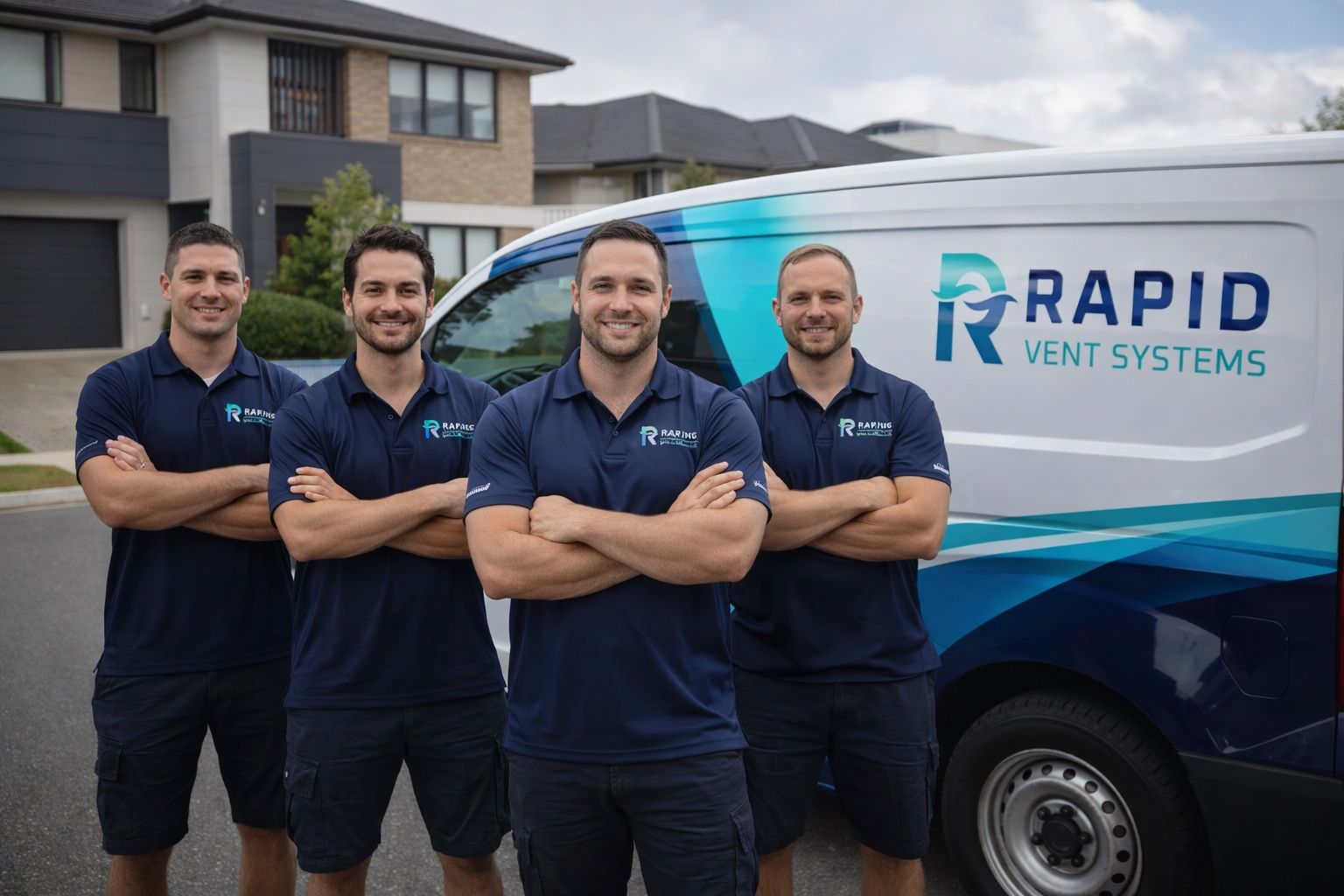
Who We Are
Ineffective ventilation leaves damp air trapped beneath your house, feeding mould, rotting timber, and creating the musty odours that pervade your living spaces. Professional subfloor ventilation installation creates the consistent air movement needed to remove moisture and protect your home long-term.
At Rapid Vent Systems, we design and install sub floor ventilation systems specially engineered for Sydney's humid conditions and your home's specific requirements.
- No Call-Out Fees Sydney Wide
- Inspection Before Installation
- Engineered Ventilation Solutions
- 3-Year Workmanship Warranty
Sydney homeowners trust our sub floor ventilation expertise to eliminate dampness, improve indoor air quality, and deliver systems that perform year after year.
Free Subfloor Moisture & Airflow Assessment
Included with any ventilation system quote
We Beat Any Written Quote!
Get in touch with us if you have any queries and we will get back to you as soon as possible.
Contact Us
We will get back to you as soon as possible.
Please try again later.
Why Many Sub Floor Ventilation Attempts Fail to Solve Dampness
Adding vents doesn’t automatically solve moisture problems. Many homeowners install floor ventilation expecting improvement, only to find damp conditions persist. The issue isn’t ventilation itself — it’s ventilation designed without understanding the specific conditions beneath each home.
Effective sub floor ventilation requires adequate air flow across the entire subfloor space. Dead zones where damp air stagnates, insufficient fan capacity, or poorly positioned vents leave moisture problems unresolved despite installation costs. Generic floor kits sized for “average” homes often underperform in real-world conditions. While rising damp is often cited as a major risk, in many older homes it does not always pose a significant structural threat, and some issues mistaken for rising damp are not structurally critical.
Rapid Vent Systems approaches every subfloor ventilation installation differently. We assess your sub floor area, measure moisture levels, identify airflow restrictions, and design systems that create genuine air movement throughout the space — not just near the vents. This inspection-first approach ensures installing subfloor ventilation actually solves your problem.
The Real Consequences of Poor Subfloor Ventilation
Moisture trapped beneath your home causes damage that compounds silently over time. Timber bearers and joists absorb excess moisture from surrounding damp air, beginning the slow process of decay that weakens the structural integrity of your floor and leads to expensive repairs.
Rising damp issues extend beyond the subfloor area itself. Moisture migrates upward through building materials, appearing as mould growth on ground-floor walls, peeling paint, and condensation that seems impossible to control. Poor subfloor ventilation feeds these visible problems from below.
Understanding Sub Floor Ventilation Systems
How Good Floor Ventilation Creates Healthier Conditions
Sub floor ventilation works by replacing moist air beneath your home with drier air from outside. Fresh air enters through intake vents, moves across the subfloor space, collects moisture, and exits through external vents. This continuous exchange prevents humidity build up and keeps timber dry.
The key is achieving adequate air changes — industry standards target complete air replacement 1-2 times per hour. Undersized systems or restricted airflow paths fail to reach these rates, leaving excess moisture to cause ongoing problems despite having ventilation installed.
Different homes require different approaches. Subfloor ventilation systems range from simple air vents relying on natural air movement to mechanical ventilation using power point fans. The appropriate system depends on your sub floor area, existing vents, moisture severity, and external airflow conditions.
Types of Sub Floor Ventilation Systems
| System Type | How It Works | Best Applications |
|---|---|---|
| Passive Vents | Natural airflow through wall vents | Low moisture, good cross-ventilation |
| Exhaust Fan Systems | Fans extract air, creating negative pressure | Moderate moisture, restricted natural airflow |
| Supply Systems | Fans push fresh air in, creating positive pressure | Specific airflow requirements |
| Balanced Systems | Equal exhaust and supply air movement | Large areas, consistent conditions needed |
In balanced pressure systems, the same amount of air is brought into the subfloor as is extracted, often using two fans. This setup provides both drying and fresh air benefits.
Inline fan configurations can be incorporated into exhaust, supply, or balanced systems — mounting fans within ducting rather than at vent openings. This allows quiet operation and flexible placement, particularly useful when two or more fans are needed to cover large areas.
Choosing the Right Ventilation System for Your Home
System selection depends on your specific conditions. Small sub floor areas with moderate dampness may only need upgraded passive vents. Larger homes, severe moisture, or restricted natural airflow typically require mechanical ventilation to achieve adequate air exchange.
Crawl space depth affects installation options. Homes with limited clearance may restrict fan placement and ducting routes. External factors like neighbouring buildings, fencing, and landscaping influence whether passive systems can draw sufficient fresh air naturally.
Our assessment identifies exactly what your subfloor space needs. We recommend the simplest effective solution — not oversized systems with unnecessary running costs, and not undersized systems that fail to solve your rising damp issues.
Our Subfloor Ventilation Installation Process
Detailed Sub Floor Assessment
Every installation begins beneath your home. We measure moisture levels, assess existing vents, evaluate clearance and access, and identify factors affecting airflow. This determines the floor ventilation system design that will actually work for your conditions.
System Design and Component Selection
Based on assessment findings, we design a ventilation system matching your sub floor area and moisture severity. Fan capacity, vent placement, and ducting layout are calculated to achieve target air exchange rates throughout the entire space.
Professional Installation
Our team installs all components according to the engineered design. Vents are positioned for optimal airflow. Fans are mounted securely with vibration dampening for quiet operation. Ducting is sealed properly to prevent air leakage. All electrical work is completed by licensed electricians meeting Australian standards.
System Testing and Commissioning
Installed systems are tested to verify performance. We measure airflow rates, check fan operation, and confirm that it creates adequate air movement across the subfloor system. Settings are adjusted for optimal performance in your specific conditions.
Handover and Guidance
You receive complete guidance on your new system including maintenance requirements and warranty information. We explain how the system operates and what to monitor for ongoing effectiveness.
Ready to install sub floor ventilation that actually works?
Common Causes of Sub Floor Moisture in Sydney
High Humidity and Rainfall
Sydney's climate delivers humidity levels between 60-80% and annual rainfall exceeding 1,200mm. This moisture saturates soil and fills the air beneath homes, creating persistent damp conditions that natural ventilation alone often cannot control.
Blocked or Insufficient Vents
Many Sydney homes, particularly those built before the 1980s, have inadequate subfloor ventilation by modern standards. Existing vents become blocked by landscaping, stored items, or building additions, trapping moist air with nowhere to escape.
Clay Soils Retaining Ground Moisture
Clay-heavy soils across Sydney hold water for extended periods. This moisture continuously evaporates into suspended concrete slabs, maintaining damp air conditions even during dry weather.
Poor Drainage and Water Ingress
Stormwater runoff, leaking pipe connections, or inadequate site drainage introduce excess water beneath homes. Without effective ventilation, this moisture accumulates and creates serious damp environment conditions accompanied with musty smell.
Building Modifications Blocking Airflow
Extensions, enclosed areas, and renovations often disrupt original ventilation pathways. What worked when the house was built no longer provides adequate air flow after modifications change the sub floor layout.
Sloping Sites Directing Water
Properties on slopes may experience water flowing beneath the building during rain. Combined with restricted ventilation, this creates ongoing moisture problems requiring mechanical solutions.
Why Professional Installation Outperforms DIY
DIY installation appeals to budget-conscious homeowners, but installing subfloor ventilation requires more than fitting basic wall fans into openings. System design determines whether ventilation actually solves moisture problems or simply adds equipment without results.
Professional installation ensures correct system sizing, proper component placement, and verified performance. We understand the building science behind effective sub floor ventilation and apply this knowledge to every installation.
Rapid Vent Systems delivers subfloor ventilation systems that work from day one. Our installations meet
New South Wales building requirements and Australian standards. Every system is tested before handover, ensuring you receive effective ventilation backed by our workmanship warranty.
Common DIY installation mistakes we encounter:
- Undersized fans unable to ventilate the sub floor area properly
- Poor positioning creating zones where damp air remains trapped
- Inadequate ducting allowing air leakage before reaching target areas
- Missing humidity controls leading to inefficient continuous operation
- Improper electrical connections requiring costly correctio
Sub Floor Ventilation Installation Cost and Value
Sub floor ventilation installation costs vary based on system type, sub floor area size, and installation complexity. Simple passive vent upgrades may cost $500-$1,500. Mechanical ventilation systems for average Sydney homes typically range from $2,500-$4,500. Larger homes or complex installations may require greater investment.
This investment protects against far more expensive damage. Structural damage from timber decay costs $10,000 or more to repair. Termite activity attracted by damp timber creates catastrophic damage. Rising damp issues affecting interior finishes require ongoing remediation. Effective sub floor system prevents these outcomes.
We provide detailed quotes following assessment with all costs explained upfront. Our pricing covers quality components with low power consumption, professional installation by experienced technicians, and the 3-Year Workmanship Warranty backing every system.
Expert Sub Floor Ventilation Installation Across Sydney
Rapid Vent Systems provides sub floor ventilation installation throughout Sydney and New South Wales. Our teams service the entire metropolitan area, from coastal suburbs facing high humidity to western areas with clay soil moisture challenges.
Most installations complete within 1-2 days with minimal disruption to your household. We schedule at convenient times and keep work areas clean throughout the process. Our happy customers across Sydney appreciate both the quality of work and the professionalism of our approach.
Whether your home needs simple passive vent upgrades, comprehensive mechanical ventilation, or repairs to underperforming existing systems, our
experienced team delivers reliable solutions that suit your specific conditions.
What Sydney Homeowners Ask
Sub Floor Ventilation Installation FAQs
How much does subfloor ventilation installation cost in Sydney?
The cost of installing subfloor ventilation in Sydney typically ranges between $2,500 and $4,500 for an average-sized home, including GST. Smaller systems or passive upgrades may start from $1,500 to $3,000, while larger subfloors requiring multiple fans and duct runs may exceed this range.
Pricing depends on:
- Subfloor size and cubic metre volume
- Required airflow capacity (measured in m³/h)
- Ground clearance and accessibility
- Type of system (passive, mechanical, or combined)
- Whether brick vents require removal or core drilling
Larger systems naturally cost more due to additional fans and ducting, but increases are typically incremental rather than dramatic. An accurate quote can only be provided after measuring the crawl space volume (length × width × height) and calculating required air changes per hour.
How long does subfloor ventilation installation take?
Most subfloor ventilation installations in Sydney are completed within 1–2 days. Larger homes, complex duct layouts, or limited crawl space access may extend this timeframe slightly.
Before installation begins, we confirm:
- Required airflow targets
- Fan placement locations
- Duct routing
- Electrical access
Proper installation includes ensuring ducting runs are straight and direct, without kinks or airflow restrictions, to maximise efficiency.
Do I need mechanical ventilation or will passive vents work?
Passive ventilation relies entirely on external conditions such as wind speed, wind direction, pressure differences, and temperature variation. In Sydney’s Climate Zone 3, high humidity often limits the effectiveness of passive airflow alone.
Mechanical subfloor ventilation uses powered fans to actively extract moisture-laden air and replace it with fresh air. This ensures consistent airflow regardless of weather conditions.
For damp subfloors, mechanical ventilation is not simply an upgrade — it is often the only reliable way to achieve adequate air exchange rates and prevent moisture accumulation long term.
What is the difference between positive and negative pressure ventilation?
Negative pressure ventilation is the most commonly used system. It extracts more air than it introduces, actively pulling moist air out of the subfloor and allowing fresh air to enter naturally.
Positive pressure systems force more air into the subfloor than is extracted. These are sometimes used in specific conditions but are less common for damp remediation.
For most Sydney homes experiencing moisture issues, negative pressure mechanical ventilation provides more reliable and predictable moisture control.
How much airflow does a subfloor need?
Airflow is calculated based on cubic metre volume and target air changes per hour (ACH).
In Sydney, typical targets are:
- 8–12 ACH for damp or wet subfloors
- 4–8 ACH for preventative ventilation
Airflow is measured in cubic metres per hour (m³/h) to determine how many fans are required. Proper design ensures the minimum NCC ventilation opening requirements are met, which in Sydney are generally 6,000 mm² per metre of wall, increasing to 7,500 mm² per metre when timber flooring is installed.
Will the fans be noisy?
Modern inline mechanical subfloor fans typically operate below 40dB, which is comparable to the sound level of a refrigerator. When installed with vibration dampening and proper duct isolation, noise transmission into living areas is minimal.
Correct placement and secure mounting are critical to maintaining quiet operation.
How much electricity do subfloor fans use?
Most modern mechanical subfloor fans operate between 10–50 watts, depending on size and airflow capacity. Annual running costs are generally low, especially when systems use humidity-controlled timers that operate only when needed rather than continuously.
Can ventilation be installed in homes with limited crawl space?
Yes. While a minimum ground clearance of 400mm is recommended for airflow and termite inspection access, many subfloor systems can be installed in tighter spaces with careful planning.
Limited clearance may influence fan placement and duct routing but rarely prevents effective installation entirely.
Does subfloor ventilation help prevent termites and pests?
Yes. Damp, stagnant subfloors create ideal conditions for termites and other pests. By reducing moisture levels and improving airflow, subfloor ventilation helps remove the damp conditions that attract termites and support timber decay.
Maintaining proper airflow also supports compliance with termite inspection requirements.
Do I need council approval to install subfloor ventilation?
In most cases, minor subfloor ventilation installations do not require development approval under the Australian National Construction Code (NCC), provided structural integrity is maintained.
If significant building modifications or structural alterations are required, additional assessment may be necessary. We advise on compliance requirements for your specific property.
What maintenance does a ventilation system require?
Annual inspection is recommended to ensure optimal performance. This includes:
- Checking that external vents are not blocked by landscaping or debris
- Confirming fan operation
- Inspecting ducting for kinks or damage
- Ensuring cross-flow ventilation paths remain clear
Regular maintenance ensures the system continues achieving target air changes per hour.
Can you fix or upgrade an existing underperforming system?
Yes. Many homes already have ventilation that is undersized, poorly positioned, or improperly ducted. We assess airflow performance, measure actual air exchange rates, and determine whether improvements can be made through repositioning, additional capacity, or system upgrades.
Often, correcting airflow balance is more effective than simply adding more equipment.
Can I install a DIY subfloor ventilation kit?
DIY kits are available, typically ranging from $199 to $529, depending on size. However, proper system design requires airflow calculations, cubic metre measurements, and ACH targets.
Electrical connections must be performed by a licensed electrician under Australian regulations. Incorrect installation can lead to ineffective ventilation and ongoing moisture problems.
Why professional installation matters?
Installing subfloor ventilation is not just about adding fans. It may also involve sealing air leaks, improving drainage, clearing obstructions, and ensuring cross-flow ventilation by placing vents on at least two sides of the home and within 600mm of corners to prevent dead-air pockets.
Professional installation ensures compliance with NCC standards, structural integrity, and long-term performance.
Stop Moisture Damage with Ventilation That Works
Damp air trapped beneath your home causes damage that worsens over time — timber decay, mould growth, rising damp issues, stale air, and declining breath quality. Professional sub floor ventilation installation addresses these problems at their source, creating the airflow needed to keep your suspended floors dry and your home protected.
Rapid Vent Systems delivers engineered subfloor ventilation systems across Sydney. Our inspection-first approach ensures you receive the right floor ventilation system for your home's specific conditions — an effective solution that performs long-term.
Free Subfloor Moisture & Airflow Assessment
Included with any ventilation system quote
Why Choose Rapid Vent Systems:
- No Call-Out Fees Sydney-Wide
- Inspection Before Installation
- Engineered Ventilation Solutions
- 3-Year Workmanship Warranty
Book your free sub floor assessment today!
and install ventilation that actually solves your moisture problems.