
Professional Subfloor Mould Inspection in Sydney
Musty Smells? Recurring Allergies? The Problem May Be Hidden Beneath Your Floors
Who We Are
Mould thrives in dark, humid environments — and your subfloor provides exactly these conditions. A professional subfloor mould inspection reveals what's happening beneath your home, identifying hidden mould growth, moisture sources, and ventilation problems before they affect your family's health. At Rapid Vent Systems, we conduct thorough mould inspections that give Sydney homeowners the facts needed to address subfloor mould effectively.
- No Call-Out Fees Sydney Wide
- Inspection Before Installation
- Engineered Ventilation Solutions
- 3-Year Workmanship Warranty
Sydney homeowners trust our mould inspection expertise to uncover hidden problems and recommend effective treatment — not guesswork.
Free Subfloor Moisture & Airflow Assessment
Included with any ventilation system quote
We Beat Any Written Quote!
Get in touch with us if you have any queries and we will get back to you as soon as possible.
Contact Us
We will get back to you as soon as possible.
Please try again later.
Why Subfloor Mould Often Goes Undetected
Subfloor mould can be difficult to detect and may only be noticed through musty odours or health issues affecting building occupants. Unlike visible mould on bathroom walls or ceilings, mould growth beneath floors remains hidden from view. Homeowners often live with the problem for months or years before connecting persistent symptoms to conditions beneath their house.
Sydney's humid climate, high seasonal rainfall, and prevalence of older homes make subfloor mould inspections critical. High coastal humidity and storm events create ideal conditions for subfloor moisture accumulation. Without adequate ventilation, this moisture feeds mould colonies that release spores continuously into your living space.
Rapid Vent Systems
provides professional mould inspection services that identify subfloor mould, determine the extent of contamination, and locate the moisture sources feeding growth. Our inspection process gives you clear answers and actionable recommendations — the first step toward a healthier home environment.
The Health Risks of Hidden Mould Growth
Subfloor mould can lead to significant health problems, including allergies, respiratory infections, and asthma. Mould spores and fragments are well-known allergens that cause health issues in exposed individuals. People with allergies, weak immune systems, children, and the elderly are more likely to be affected by subfloor mould exposure.
Mould spores can move through the air and land on other wet materials, leading to further damp issues throughout your home. Some moulds produce metabolites called mycotoxins, which can have toxic health effects on humans. Inhalation of mould spores can lead to health problems ranging from allergies to respiratory illnesses. The risks of serious health problems from mould exposure are greatest for people with autoimmune disorders or compromised immune systems.
Our Subfloor Mould Inspection Process
Pre-Inspection Discussion
Every mould inspection begins with understanding your concerns. We discuss any symptoms occupants have experienced, property history including leaks or ventilation problems, and visible signs you've noticed. This information guides our inspection focus and helps identify potential problem areas.
Visual Inspection of the Subfloor Area
Our inspector enters the subfloor space to conduct comprehensive visual inspection. We inspect joists, bearers, flooring undersides, soil surfaces, and vents for visible mould — including fuzzy patches, discolouration, water damage evidence, and wood decay. A professional subfloor inspection typically lasts 60-90 minutes and uses tools like moisture meters and thermal cameras.
Moisture and Environmental Testing
Mould requires moisture to grow, so we measure moisture levels throughout the subfloor area using professional meters. Inspectors use moisture meters, thermal imaging, and air sampling to identify hidden moisture and mould that visual inspection alone cannot detect. We assess relative humidity, identify condensation patterns, and locate moisture sources feeding mould growth.
Air and Surface Sampling
Air and surface sampling may be recommended to determine the extent and other types of mould contamination present. Surface testing collects mould from affected areas for laboratory identification. Air sampling measures spore concentrations to assess how significantly mould is affecting air quality in your home.
Detailed Inspection Report
Mould inspection reports typically include findings, recommendations for treatment, and an itemised quote. Detailed mould inspections may involve evaluating inspection findings and test results against published guidelines to determine contamination severity. You receive clear documentation of what we found and what needs to happen next.
Concerned about mould beneath your home? Book your inspection today.
Signs You Need a Subfloor Mould Inspection
Persistent Musty Odours
Musty smells in ground-floor rooms often indicate mould spores beneath. Visible signs of mould include fuzzy patches on joists, water damage evidence, and musty odours in lower rooms. These odours may intensify during humid weather or after rain.
Recurring Respiratory Problems
If occupants experience unexplained allergies, respiratory problems, or symptoms that improve when away from home, subfloor mould may be releasing spores into living areas. Professional mould inspection is necessary when mould growth and causes are not readily identifiable through visible signs alone.
Visible Mould on Ground-Floor Surfaces
Mould appearing on skirting boards, lower walls, or carpet edges often traces to moisture and mould growth originating from the subfloor space below.
Previous Water Damage or Flooding
Homes that have experienced flooding, plumbing leaks, or storm water ingress face elevated mould risk. Even after surfaces dry, moisture trapped in subfloor areas can sustain mould colonies indefinitely.
Pre-Purchase Property Assessment
Undetected mould can derail property sales or lead to significant price renegotiations. Buyers making significant property investment decisions benefit from understanding subfloor conditions before committing.
Damp or Cold Floors
Floors that feel damp, cold, or show signs of cupping and warping indicate excess moisture beneath — conditions where mould thrives.
What Causes Subfloor Mould Growth in Sydney
Excess Moisture and Poor Ventilation
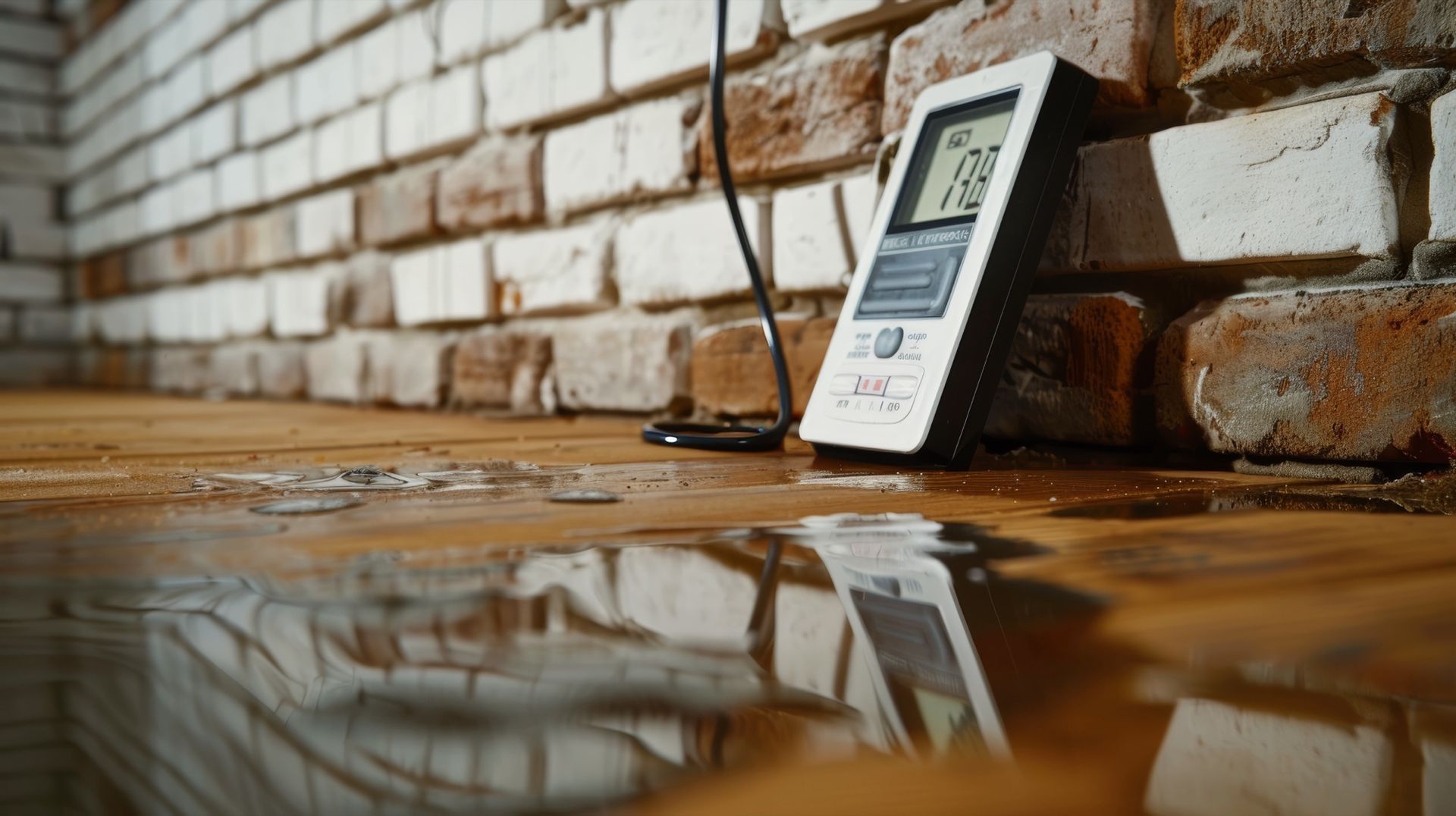
Subfloor mould growth is often caused by excess moisture or water damage combined with inadequate ventilation. When moisture enters the subfloor space — whether from ground evaporation, rising damp, or water ingress — it needs airflow to escape. Negative pressure from blocked or insufficient vents trap this moisture, creating the damp conditions mould requires.
Dampness in the subfloor can lead to further issues, including mould and mildew growth, wood decay, unpleasant odours, and even pest infestation. Damp, poorly ventilated subfloors also attract termites, posing a risk of structural failure if left unaddressed.
Sydney's Climate Challenges
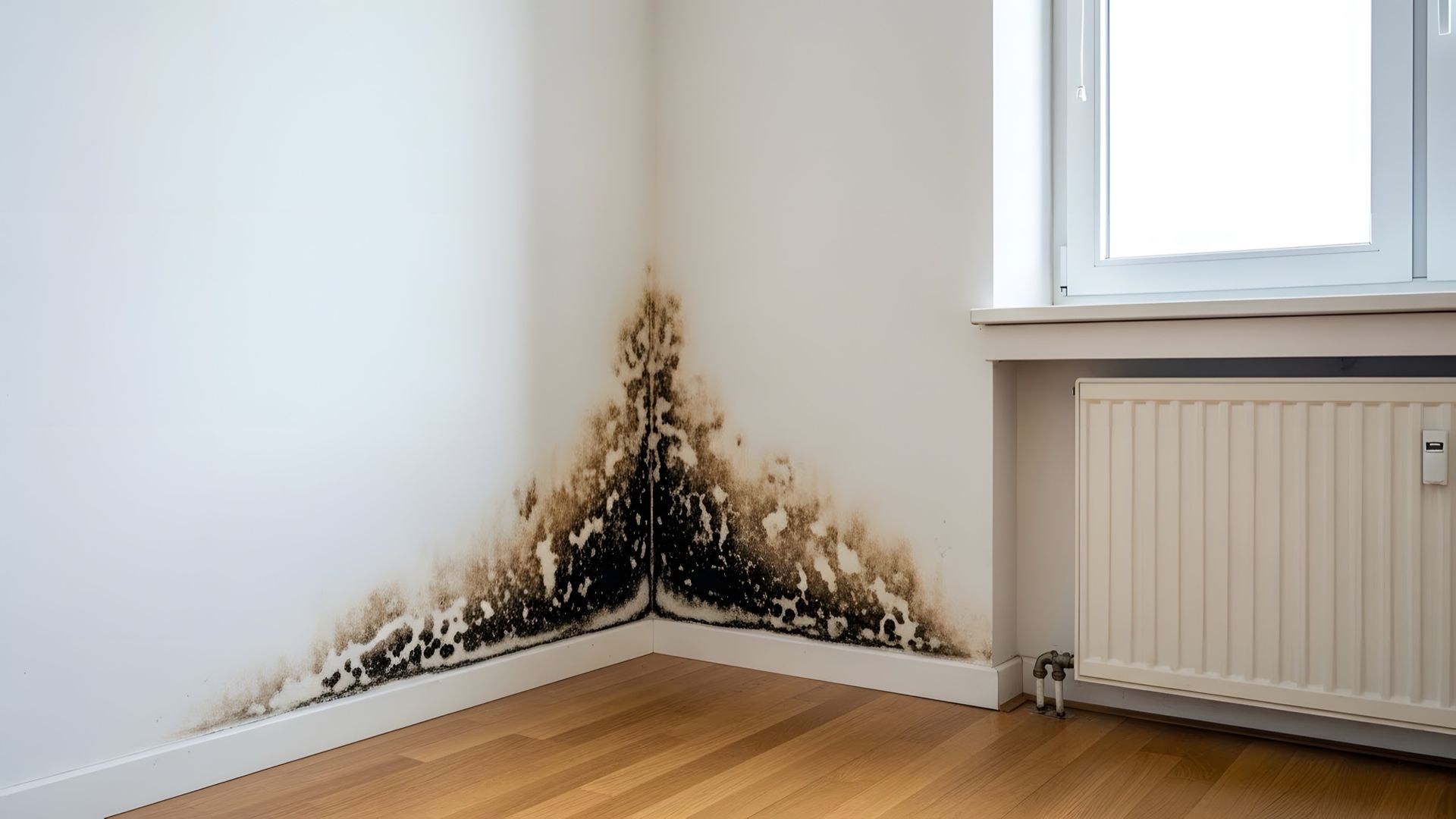
Sydney homes face high humidity levels between 60-80% year-round, with seasonal heavy rainfall adding ground moisture beneath properties. Clay soils common across Sydney retain water for extended periods, continuously feeding moisture into subfloor areas. Coastal suburbs experience additional humidity from ocean air, accelerating mould growth in susceptible properties.
Drainage and Water Ingress Issues
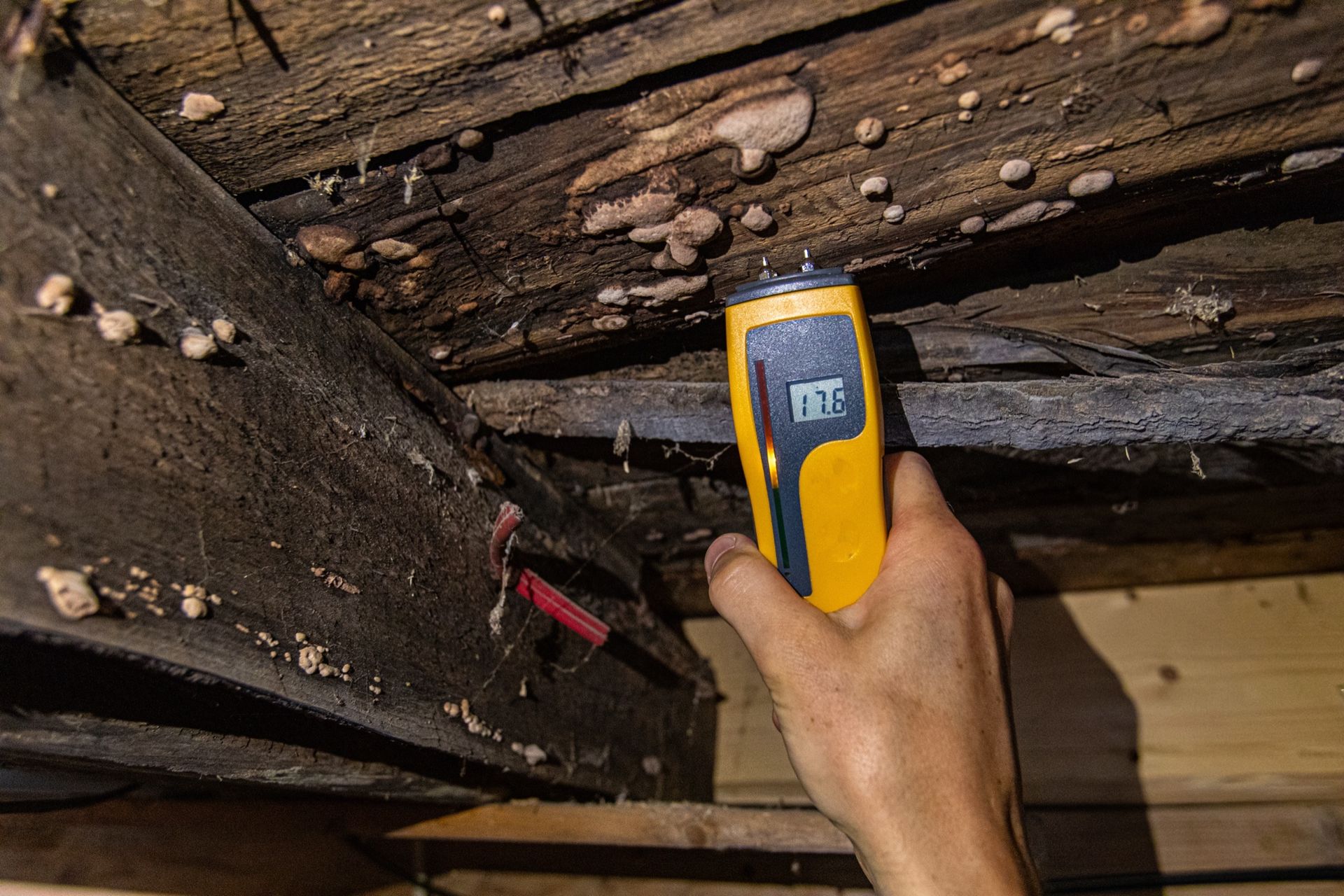
Poor site drainage directs stormwater beneath homes. Leaking plumbing, broken downpipes, or inadequate grading create ongoing moisture sources that sustain mould growth regardless of ventilation improvements. Identifying and addressing these moisture sources is essential before mould remediation can succeed.
Why Professional Mould Inspection Matters
DIY mould checks cannot match the thoroughness and accuracy of professional inspection. Visible mould often represents only a fraction of total contamination — hidden mould growth behind surfaces and in concealed areas requires professional detection methods.
Mould testing services are essential for identifying and addressing mould contamination effectively. Professional inspectors bring calibrated equipment, systematic methodology, and trained assessment that delivers reliable results.
Mould testing services can be performed in commercial, industrial, and residential buildings. Our team inspects sub floors throughout Sydney, providing the same thorough assessment regardless of property type.
What professional mould inspection provides:
- Calibrated moisture meters identifying hidden damp conditions
- Thermal imaging detecting moisture patterns invisible to the eye
- Air and surface sampling quantifying contamination levels
- Laboratory analysis identifying mould species and health risks
- Detailed reports documenting findings for treatment planning
From Inspection to Mould Remediation
The First Step: Identify the Source
The first step in subfloor mould remediation is to identify the source of the moisture and repair it. Removing mould without addressing moisture sources guarantees regrowth. Our inspection identifies exactly where moisture enters and what repairs or improvements will eliminate the problem permanently.
Professional Mould Removal
Professional mould remediation may require the use of specialized tools and equipment to effectively get rid of mould problems. Visible mould growth can be removed using HEPA vacuuming and hand cleaning methods that capture spores rather than spreading them. Proper safety precautions must be taken during the remediation process to protect workers and occupants.
Preventing Regrowth
Antifungal treatments can be applied to inhibit future mould growth after remediation. However, treatment alone isn't enough — addressing underlying conditions prevents recurrence. Improved ventilation practices can help reduce the chances of mould returning after removal. Subfloor ventilation is a method of ventilating the space beneath your floor to remove moisture from the home and provide fresh, dry air.
Ventilation Solutions
A sub floor ventilation system may assist in preventing rising damp by removing excess sub floor moisture. Proper ventilation in the home is essential to keeping it a healthy place to live throughout the year. Ventilation systems can help mitigate condensation, mould, and mildew growth by removing excess damp. Subfloor ventilation solutions can be tailored to specific needs and budgets.
Mould Inspection Cost and Value
The cost of standard residential inspections ranges from $300 to $800, while comprehensive assessments can exceed $1,500. Mould inspection may require additional time and costs for sampling and laboratory analysis when contamination extent needs precise determination.
This investment provides clarity about subfloor conditions and guides effective treatment decisions. Compared to the health consequences of prolonged mould exposure and the structural damage from unchecked moisture — including wood rot causing severe damage to bearers and joists costing $5,000-$15,000+ to repair — professional inspection represents excellent value.
Hiring a professional mould removal service can ensure that the process is conducted safely and effectively. Our inspection reports provide the foundation for targeted remediation that addresses your specific situation rather than generic treatments that may miss the underlying cause.
Expert Mould Inspection Across Sydney
Rapid Vent Systems provides mould inspection services throughout Sydney. Our team services the entire metropolitan area, from coastal suburbs where high humidity accelerates mould growth to western areas where clay soils create persistent subfloor moisture.
Most inspections complete within 60-90 minutes. We schedule at convenient times and explain findings clearly so you understand exactly what we discovered and what options exist for addressing any problems identified.
Whether you need
inspection for health concerns, pre-purchase assessment, or investigation of mould and musty odours, our experienced inspectors deliver thorough evaluation of your subfloor conditions.
What Sydney Homeowners Ask
Subfloor Mould Inspection FAQs
How much does subfloor mould inspection cost?
Standard residential inspections range from $300 to $800. Comprehensive assessments including air and surface testing with laboratory analysis may exceed $1,500 depending on property size and testing requirements. We provide accurate pricing based on your specific needs.
How long does mould inspection take?
A professional sub floor inspection typically lasts 60-90 minutes. Larger properties or those requiring extensive sampling may take longer. Laboratory results from air or surface sampling usually return within 3-5 business days.
What's included in a mould inspection report?
Reports include:
- Visual inspection findings with photographs
- Moisture readings throughout the subfloor area
- Mould locations and estimated extent
- Identified moisture sources
- Recommendations for treatment and prevention
- Itemised quote for remediation if required
Can you identify the type of mould present?
Yes. Air and surface sampling sent to accredited laboratories identifies mould species present. This helps determine health risks and appropriate remediation methods, particularly important when toxic moulds are suspected.
What if inspection finds extensive mould?
We provide clear recommendations based on findings. Mould removal techniques often involve identifying and addressing the source of moisture to prevent further growth. Our report outlines the remediation process required and provides itemised pricing that is adequately treated.
Do I need inspection if I can already see mould?
Professional mould inspection is valuable even when mould is visible. Inspection determines the full extent of contamination, identifies hidden mould growth you cannot see, and locates moisture sources that must be addressed for successful remediation.
Can mould inspection detect moisture problems before mould develops?
Yes. Moisture testing identifies damp conditions and poor ventilation before visible mould appears. Early detection allows preventive action — improving floor ventilation or addressing drainage issues — before mould remediation becomes necessary.
How do I prepare for a mould inspection?
Ensure access to subfloor entry points is clear. Note any symptoms occupants have experienced and any history of leaks, flooding, or moisture problems. This information helps guide our inspection focus.
Will you provide treatment after inspection?
Yes. Following inspection, we can provide mould remediation services addressing identified contamination. We also install subfloor ventilation systems that prevent excessive moisture conditions allowing mould issues to return.
How can I prevent mould after treatment?
Regular inspections and maintenance can help prevent mould growth in roof and subfloor areas. Improving ventilation can help reduce the chances of mould returning. Mould thrives in dark or humid environments, making it essential to address these conditions through proper ventilation and moisture control.
Protect Your Family — Get Your Subfloor Inspected
Hidden subfloor mould affects your family's health and your home's structure without you seeing the problem directly. Mould testing reveals what's happening beneath your floors, identifies moisture sources, and provides the foundation for effective treatment. Regular inspections and maintenance help prevent mould growth from becoming a serious health or property concern.
Rapid Vent Systems delivers thorough subfloor mould inspection across Sydney. Our process identifies contamination, determines causes, and recommends solutions that address the problem at its source — not just the visible symptoms.
Free Subfloor Moisture & Airflow Assessment
Included with any ventilation system quote
Why Choose Rapid Vent Systems:
- No Call-Out Fees Sydney-Wide
- Inspection Before Installation
- Engineered Ventilation Solutions
- 3-Year Workmanship Warranty
Contact us for your mould inspection today
and find out what's really happening beneath your home.