

SUBFLOOR VENTILATION SERVICES FOR HOMES IN DEE WHY
What many Dee Why homeowners mistake for a surface mould problem is almost always a subfloor moisture problem that no amount of cleaning will permanently resolve. Rapid Vent Systems delivers professional subfloor ventilation and mould removal services across Dee Why, helping homeowners identify the hidden moisture source beneath their homes and install systems that improve airflow, reduce humidity, and prevent long-term structural damage.
Free Subfloor Moisture & Airflow Assessment
Included with any ventilation system quote
No Call-Out Fees Sydney Wide
Inspection Before Installation
Engineered Ventilation Systems
3-Year Workmanship Warranty
Subfloor Ventilation Specialists Serving Dee Why
Dee Why Lagoon sits at the heart of one of the Northern Beaches' most moisture-intensive environments. Properties near the lagoon and along the beachfront face elevated ground moisture, salt-laden coastal air, and humidity consistently exceeding 70 to 80 percent through summer combined with heavy winter rainfall. These conditions create a sustained moisture load beneath older suspended timber homes that passive ventilation simply cannot manage on its own.
When damp air becomes trapped in subfloor areas without adequate ventilation to remove it, the consequences follow a consistent pattern. Mould growth appears on lower walls and skirting boards. Musty odours drift upward through floor gaps into bathrooms and living areas. Building materials including insulation material wood and structural timber absorb moisture progressively, leading to deterioration and costly repairs that proper subfloor ventilation installed earlier would have prevented.
At Rapid Vent Systems, our mould inspection and subfloor ventilation services are built around identifying what is actually driving these conditions in Dee Why properties rather than treating visible symptoms on interior surfaces. Every job begins with a free visual inspection of subfloor moisture levels, airflow conditions, and mould growth beneath the property before any solutions are discussed or recommended.
We Beat Any Written Quote!
Get in touch with us if you have any queries and we will get back to you as soon as possible.
Contact Us
We will get back to you as soon as possible.
Please try again later.




5-Star Rated By Sydney Drivers
Why Homeowners Choose Rapid Vent Systems
100% Free Subfloor Inspection
Understanding what is happening beneath the home costs nothing. Our team conducts a thorough visual inspection of the subfloor space, assessing airflow, moisture levels, and ventilation performance before recommending any work to the Dee Why homeowner or tenant.
No Call-Out Fees
There are no call-out fees for any Dee Why property inspection. Homeowners and tenants receive professional advice about what is present beneath their property without paying anything for the initial attendance and visual inspection of the subfloor.
3-Year Workmanship Warranty
Subfloor ventilation installations and mould removal services completed across Dee Why are backed by our 3-Year Workmanship Warranty, ensuring every job delivers long term results and holds up against the ongoing moisture demands of lagoon and coastal living.
Tailored Ventilation Solutions
Lagoon-adjacent and beachside properties in Dee Why face different moisture conditions from one street to the next. We design custom subfloor ventilation systems based on the specific humidity levels, airflow conditions, and subfloor layout of each individual property to ensure effective moisture control year-round.
Common Subfloor Problems in Dee Why Homes
Properties throughout Dee Why experience subfloor ventilation problems driven by lagoon proximity, coastal humidity, salt air exposure, and limited airflow beneath suspended floors. When moisture-laden air becomes trapped in the subfloor space, damp conditions affect timber structures, indoor air quality, and the health of the home and its occupants over time.
Damp Subfloor & Moisture Buildup
Ground moisture from Dee Why Lagoon and the surrounding coastal soils saturates subfloor areas beneath local homes throughout the year. These wet or moist conditions are a common source of mould growth, building material deterioration, and health risks for sensitive occupants including those with asthma who are susceptible to prolonged exposure to damp subfloor environments.
Improving subfloor ventilation and cross ventilation removes moisture-laden air and helps maintain a consistently drier subfloor environment beneath the home.
Musty Smells & Damp Odours
Stale, damp air trapped beneath the subfloor of a Dee Why home eventually works its way upward through gaps in the flooring structure into bathrooms, bedrooms, and ground floor living areas. These musty odours are among the most reliable early signs that subfloor moisture has built up to a level requiring professional assessment and a proper ventilation solution.
Installing an effective subfloor ventilation system removes stale air, reduces humidity beneath the home, and eliminates the musty odours that signal a moisture problem under the house.
Mould Growth Beneath Floors
Lagoon-adjacent properties in Dee Why are particularly prone to mould growth developing on timber framing, insulation material wood, and building materials within the subfloor space. Mould inspection of Dee Why properties regularly identifies mould developed across large areas of the subfloor that has been spreading unseen long before any visible signs appear on walls or floors inside the home.
Proper subfloor ventilation systems, passive ventilation upgrades, or mechanical ventilation with ventilation fans help control moisture and prevent mould from returning beneath the property.
Rising Damp & Ground Moisture
The proximity of Dee Why Lagoon elevates ground water tables beneath properties throughout the suburb, making rising damp a persistent and consistent problem for local homeowners. Without adequate ventilation to remove moisture-laden air from the subfloor, humidity levels build up and affect timber structures, walls, and building materials progressively over time.
Improving subfloor airflow allows damp air to escape and helps protect structural timber and external walls from the sustained damage that rising damp produces across Australian homes.
Increased Risk of Termites
Damp subfloors attract termite activity, and properties near Dee Why Lagoon face elevated termite risk given the consistently humid and moisture-rich conditions that lagoon-adjacent living creates beneath the house year-round. Costly repairs to structural timber are the common outcome when termite activity goes undetected in damp subfloor environments.
Maintaining a dry subfloor through effective subfloor ventilation reduces the conditions that attract termites and helps protect the structural integrity of the property.
Poor Indoor Air Quality
Mould spores, damp air, and moisture-related pollutants that accumulate in Dee Why subfloors grow indoors through gaps in flooring and wall cavities, reducing air quality throughout the home. Health problems including aggravated asthma and respiratory irritation present real health risks, especially those affecting occupants who are most susceptible to prolonged mould spore and damp air exposure within the property.
A properly designed subfloor ventilation system removes stale air, improves fresh air circulation, and creates a healthier indoor environment across the Dee Why home.
Our Subfloor Ventilation and Mould Remediation Services Dee Why
Rapid Vent Systems provides specialised subfloor ventilation and mould removal solutions for homes across Dee Why. Our services identify the source of damp conditions, moisture buildup, and ventilation problems beneath the home, then install systems that improve airflow, ventilate the subfloor effectively, and remove moisture-laden air to deliver long term results for every property we service across the suburb.
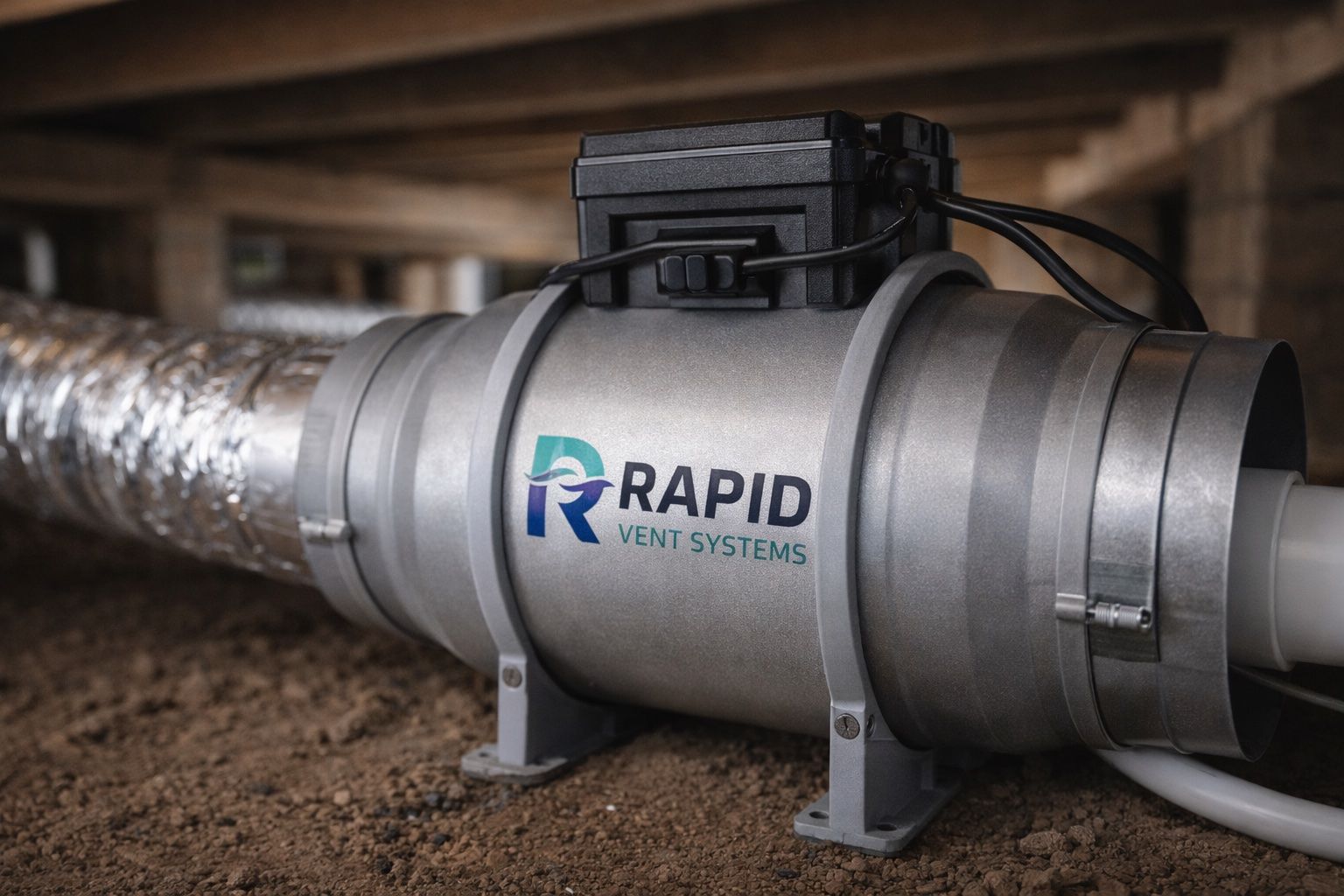
Custom subfloor ventilation systems are designed and installed to improve airflow beneath Dee Why homes, removing moisture-laden air and reducing damp conditions across the subfloor area. Solutions include passive ventilation upgrades or mechanical systems with ventilation fans tailored to the specific lagoon and coastal moisture conditions of the property to ensure consistent and efficient airflow throughout the subfloor.
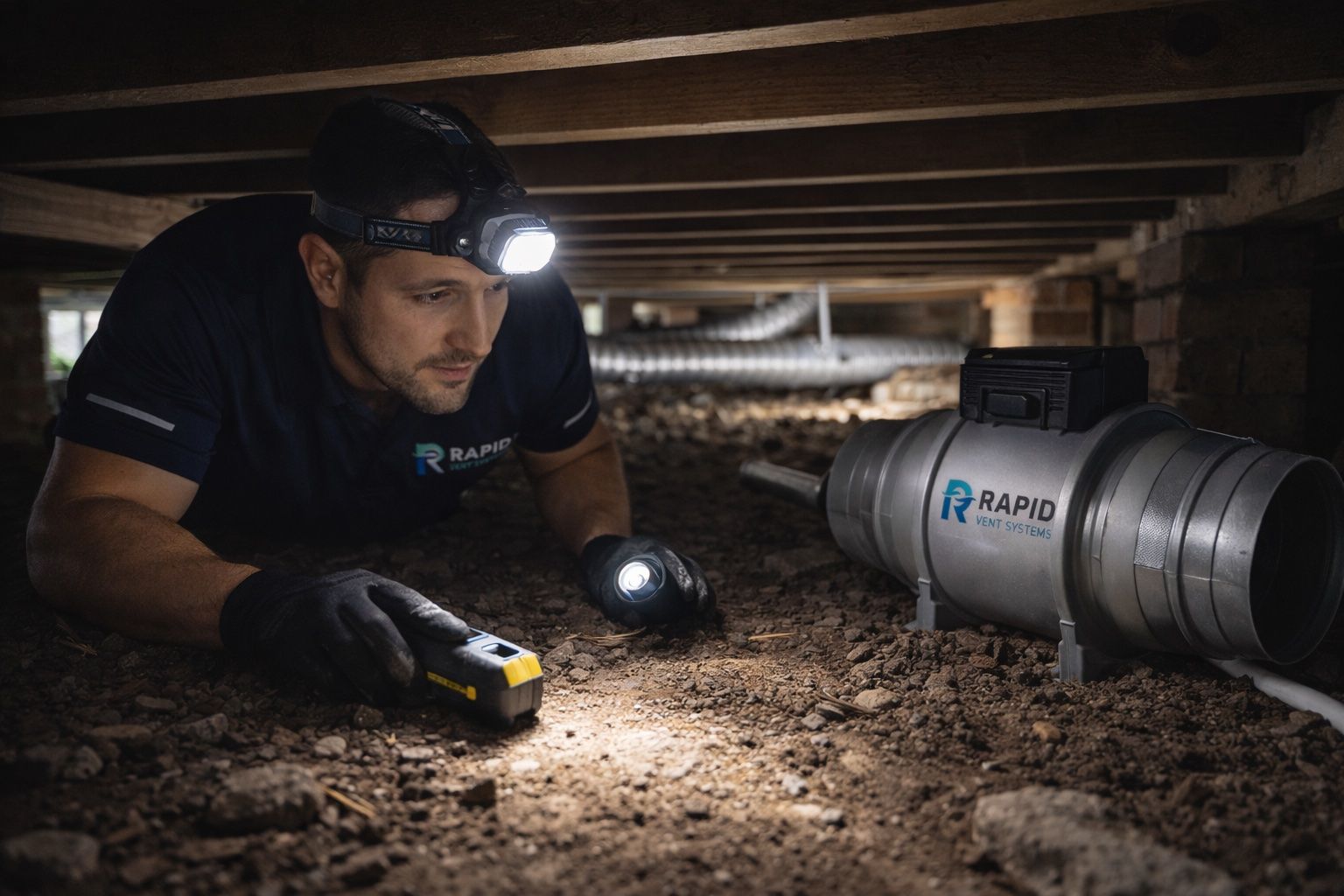
Our subfloor moisture inspection identifies hidden moisture problems within the subfloor area of Dee Why properties. During the visual inspection, humidity levels, airflow conditions, ground moisture from lagoon-adjacent soils, obvious leaks, and causes such as poor drainage or rising damp are assessed to determine the moisture source and recommend the most effective solution before any work begins.

Professional subfloor ventilation systems are installed to remove damp air and improve airflow beneath the home. Depending on the layout of the subfloor area, this may include passive ventilation upgrades, cross ventilation improvements, or mechanical ventilation using inline fans and ducting suited to the specific lagoon and coastal conditions of the Dee Why property.
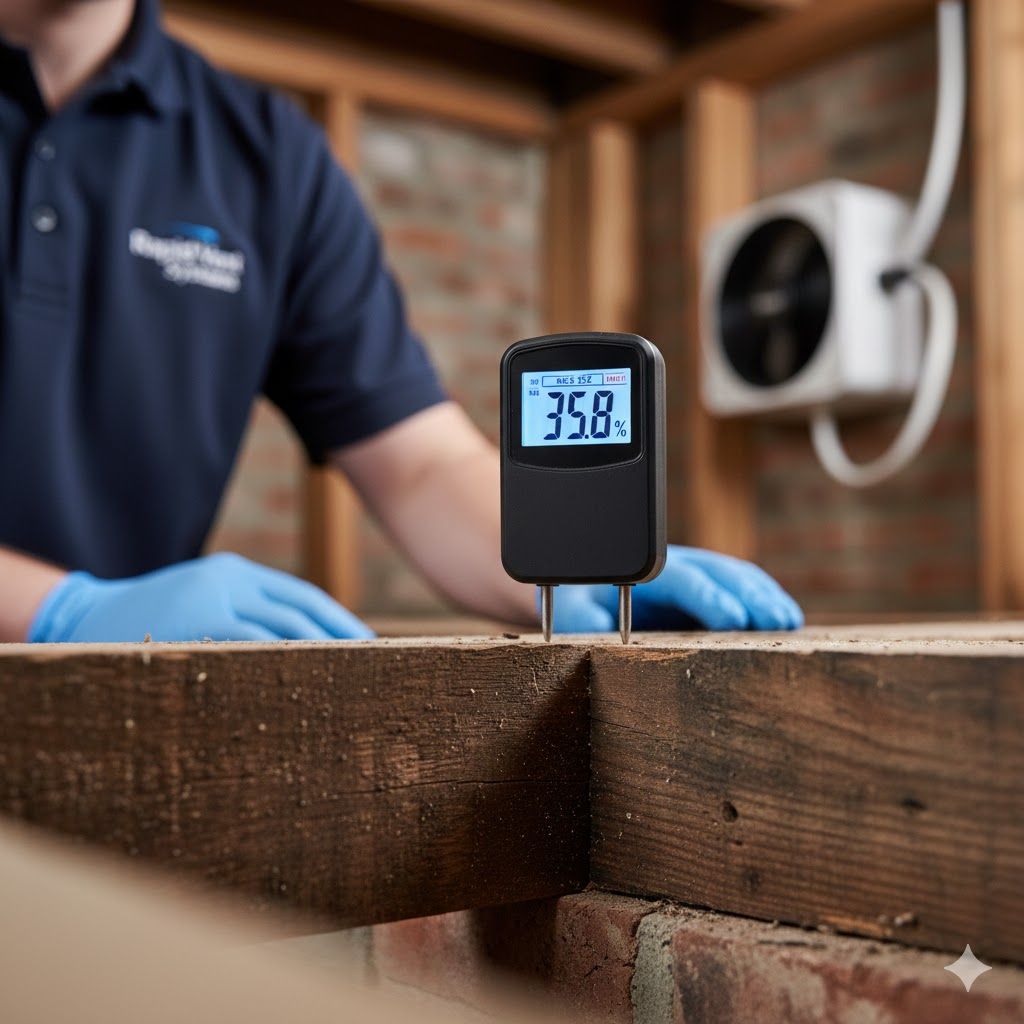
Underperforming subfloor ventilation systems are inspected and repaired, with faulty components replaced or the system upgraded to restore adequate ventilation and moisture control beneath the Dee Why home. Two fans or additional extraction points are added where the existing system cannot adequately ventilate large areas of the subfloor.
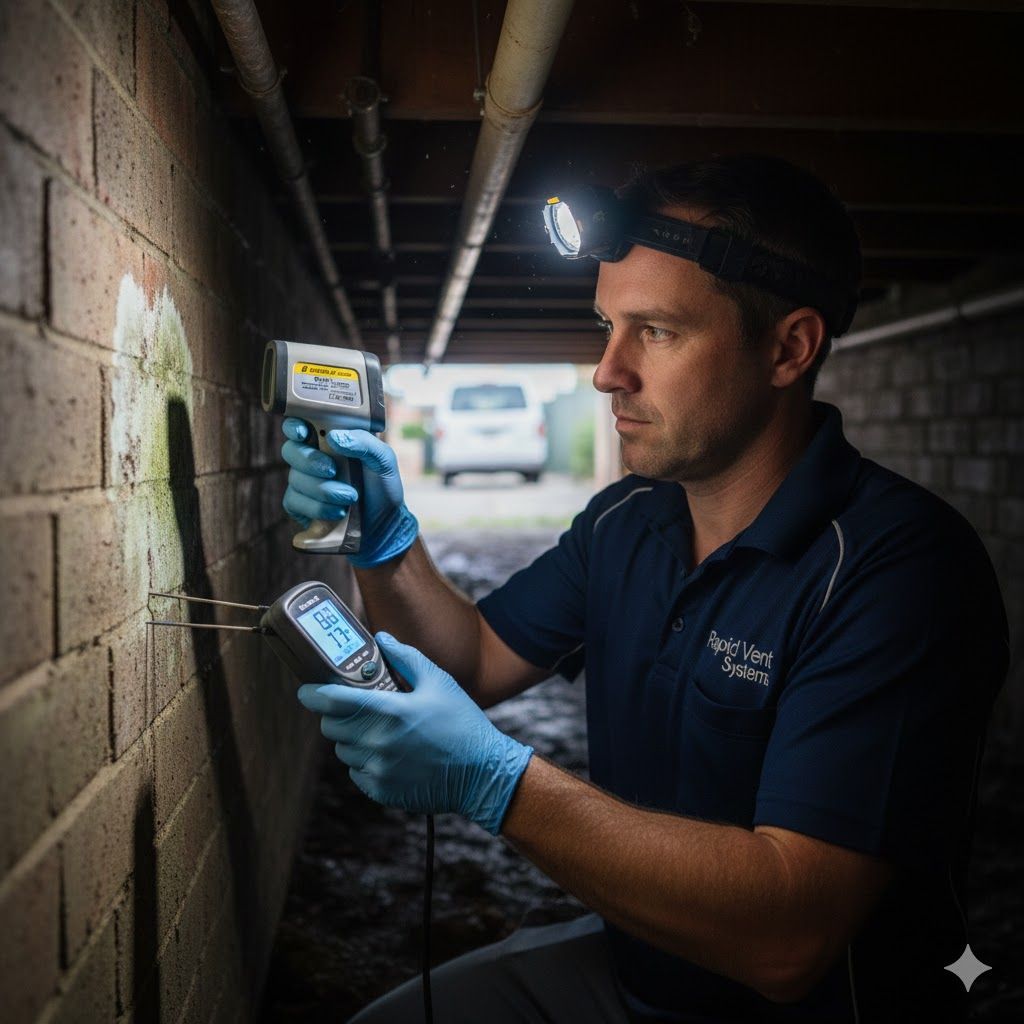
Persistent moisture and poor ventilation frequently lead to mould growth within Dee Why subfloors. Our free mould inspection identifies mould on timber structures, joists, insulation wood, and building materials while assessing the moisture conditions contributing to the mould problem. Jute backing beneath carpets and other hidden moisture sources are also identified during the inspection process.
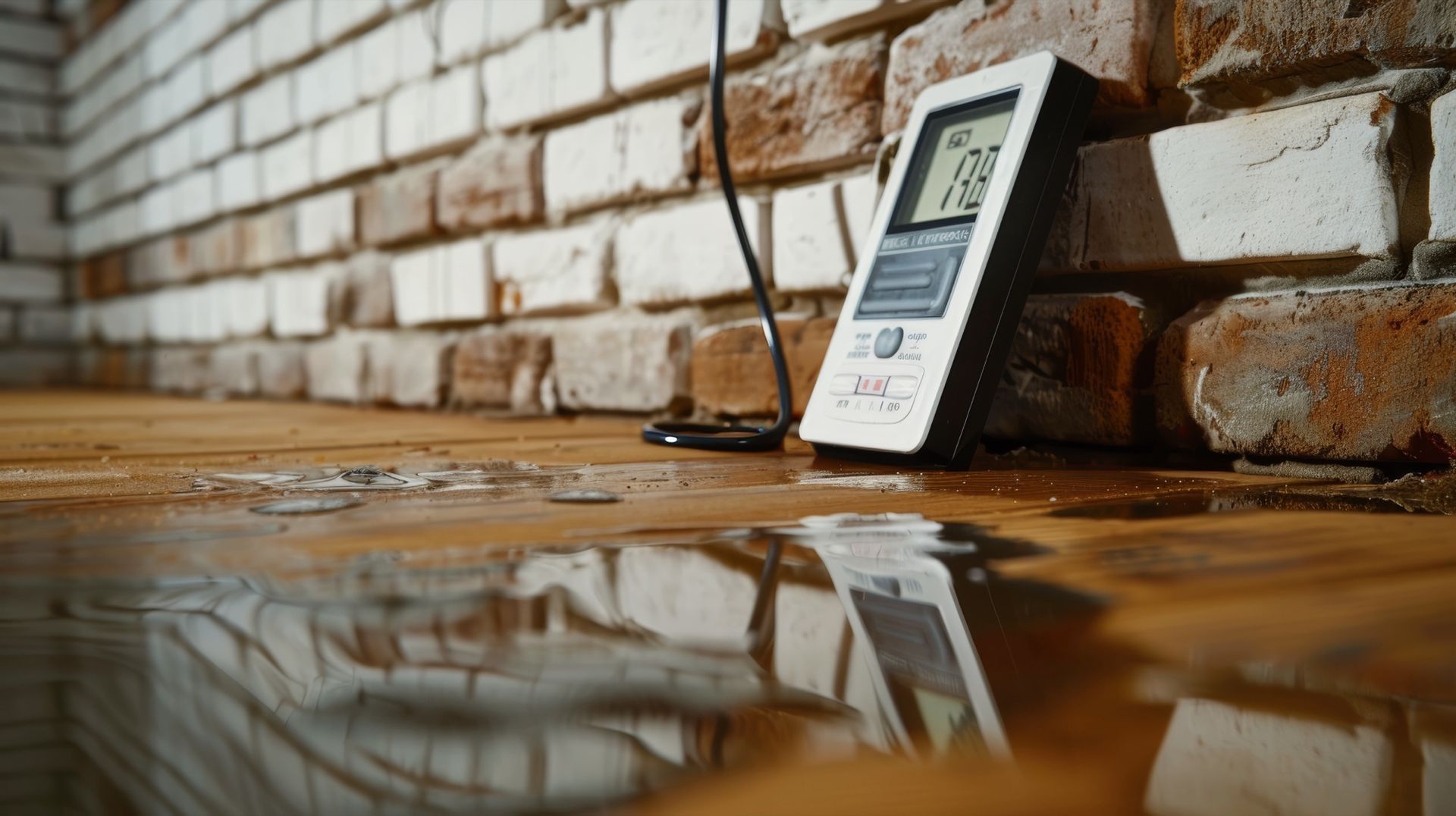
Our professional mould removal and mould remediation service treats visible mould safely across all affected surfaces and implements a subfloor ventilation solution to control moisture long-term. This approach ensures the Dee Why home stays free from recurring mould growth and delivers the effective solution that surface cleaning and temporary mould treatments cannot provide for lagoon-adjacent properties with persistent moisture conditions.
Our No-Pressure, Inspection-First Guarantee
Subfloor inspections conducted for Dee Why homeowners are honest, professional, and completely pressure-free. Understanding what is happening beneath the home comes before any recommendation for work. If ventilation or mould treatment is not required, that advice is provided clearly and the inspection costs nothing regardless of the outcome.
- 100% Free Subfloor Inspection — no hidden conditions
- No Call-Out Fees — ever
- Straight, Honest Advice — even if no work is required
- 3-Year Workmanship Warranty on all installations
Our Sub floor Ventilation Process
Detailed Sub Floor Ventilation Inspection (No Call-Out Fees)
A 100% free subfloor inspection assesses the full condition of the subfloor space beneath the Dee Why property. Humidity levels, airflow pathways, ground moisture from lagoon-adjacent soils, and signs of mould growth on surfaces, building materials, and walls are all reviewed during the visual inspection to identify what is driving moisture and mould beneath the house.
Moisture & Ventilation Assessment
The ventilation performance of the subfloor area is evaluated in detail, covering existing vents, airflow pathways, and floor area size to determine whether adequate cross ventilation is present. Condensation, bathroom moisture, defective window seals, and moisture sources specific to Dee Why's lagoon environment are assessed to ensure the correct subfloor ventilation solution is recommended for the property.
Custom Ventilation System Design
A tailored subfloor ventilation system is designed based on the inspection findings and the specific lagoon and coastal moisture conditions of the Dee Why home. Depending on moisture levels and airflow requirements, this may include passive ventilation improvements, mechanical ventilation with ventilation fans, or ducting configurations that efficiently remove moisture-laden air and improve fresh air circulation throughout the subfloor.
Professional Installation or Repair
Ventilation systems are installed or repaired to ensure maximum airflow and long-term reliability across the Dee Why property. Damp air is removed efficiently from subfloor areas while fresh air circulates consistently, protecting building materials, insulation material wood, and timber structures from the health risks and structural damage that persistent lagoon-adjacent moisture creates beneath the house.
Healthier, Drier Home
Improved airflow maintains a dry and balanced subfloor environment beneath the Dee Why property once installation is complete. Moisture buildup is reduced, air quality improves, and recurring issues such as musty odours and mould growth that lagoon and coastal Australian homes are particularly susceptible to are prevented from continuing to affect the property. Contact our team after completion if further advice is needed.
Book Your Free Mould Inspection in Dee Why
Mould that returns to the same spots on the walls, persistent musty odours in bathrooms, or floors that feel damp underfoot are not surface problems — they are signs of a moisture issue originating beneath the house. Poor subfloor ventilation traps moisture-laden air beneath suspended floors in Dee Why's lagoon and coastal environment, creating conditions for mould growth, timber damage, health risks, and costly repairs.
Rapid Vent Systems helps Dee Why homeowners and rental property owners resolve these hidden moisture problems with professional subfloor inspections, ventilation systems, and mould removal solutions designed for Sydney's coastal and lagoon conditions. Contact us today to book your free assessment and understand what is happening beneath your home before any work is recommended.
100% Free Moisture & Airflow Assessment
With any ventilation system quote
- No Call-Out Fees Sydney-Wide
- 100% Free Subfloor Inspection
- Engineered Ventilation Solutions
- 3-Year Workmanship Warranty
Frequently Asked Questions
How do I know if my Dee Why home needs subfloor ventilation?
Visible mould on lower walls or skirting boards, musty odours in bathrooms or ground floor rooms, damp or soft flooring, condensation on ground-level windows, and wet or moist conditions discovered when the subfloor is inspected are all signs of subfloor ventilation problems in Dee Why homes.
A professional mould inspection and visual inspection can determine whether ventilation improvements are needed and identify the most effective solution for the specific lagoon and coastal conditions of the property.
What causes moisture to build up under a Dee Why home?
Ground moisture from Dee Why Lagoon and surrounding coastal soils, high relative humidity from ocean and lagoon air, poor drainage, obvious leaks from plumbing or a defective window, jute backing beneath carpets, and rising damp from the soil beneath the house all contribute to moisture buildup in Dee Why subfloors.
Without adequate subfloor ventilation to remove moisture-laden air, damp conditions develop progressively, affecting timber structures, building materials, and air quality over time.
What is the difference between passive and mechanical subfloor ventilation?
Passive ventilation uses natural airflow through wall vents positioned around the subfloor perimeter. Mechanical subfloor ventilation uses powered ventilation fans to actively extract stale moisture-laden air and replace it with fresh outside air. In Dee Why's high-humidity lagoon and coastal environment, passive vents alone are frequently insufficient to control moisture adequately.
Mechanical systems create consistent airflow regardless of weather conditions and are commonly required for properties with persistent damp or mould growth beneath the house.
Will subfloor ventilation help prevent mould in my Dee Why home?
Yes. Moisture accumulation beneath the home creates ideal conditions for mould growth on timber framing, insulation material wood, and building materials. Mechanical subfloor ventilation systems remove moisture-laden air and maintain drier subfloor conditions across the property.
Reducing humidity beneath the home prevents mould from returning, improves air quality, and reduces health risks from mould spores for occupants with asthma or respiratory sensitivities who are especially susceptible to prolonged mould exposure.
Can subfloor ventilation protect timber floors in Dee Why homes?
Proper subfloor ventilation helps preserve timber floors by preventing moisture buildup beneath the home. Excess humidity from Dee Why Lagoon and coastal conditions causes timber flooring to warp, swell, or deteriorate over time, particularly in properties with suspended timber floors.
Removing damp air and maintaining balanced airflow beneath the house protects flooring and structural timber components from the costly repairs that sustained moisture damage eventually demands.
Does subfloor ventilation help reduce termite risk?
Yes. Damp subfloor environments attract termite activity, and Dee Why properties near the lagoon are particularly susceptible given the consistently elevated ground moisture and humidity conditions these lagoon-adjacent homes experience year-round.
Maintaining a dry subfloor through effective subfloor ventilation reduces the conditions that attract termites and helps protect the structural integrity and long term value of the property.
How is a subfloor ventilation system designed for a Dee Why property?
Designing an effective system involves assessing the size and layout of the subfloor area, the cubic volume of the space, existing airflow pathways, and the specific lagoon and coastal moisture conditions present beneath the property. The surface area of the subfloor helps determine the number of extraction points, ducting runs, and ventilation fans required to achieve adequate cross ventilation.
An occupational hygienist may be consulted where extensive mould growth is identified during the mould inspection to determine the full scope of contamination before work begins on the property.
What preparation is required before installing a subfloor ventilation system?
The subfloor space should be cleared of debris, vegetation, and obstructions that could restrict airflow before any installation begins. Adequate clearance between the ground surface and structural timber members is important to ensure proper ventilation performance. A professional mould inspection and subfloor moisture assessment confirms whether subfloor conditions meet requirements.
Rental property owners should contact us promptly where a landlord failed to address a mould problem within a reasonable time to protect the health of tenants allowed to remain in the property.
What fans are typically used in Dee Why subfloor ventilation systems?
Mechanical subfloor ventilation systems in Dee Why use specialised inline ventilation fans designed for quiet operation and reliable airflow in lagoon and coastal environments. Popular options include Fanco inline fans such as the TT Silent fan for low-noise applications and the VKM fan for longer ducting runs.
Fans are selected based on airflow requirements, duct length, subfloor volume, and overall system design. An occupational hygienist may advise on specifications where mould remediation forms part of the overall job for the Dee Why property.
Book Your Free Mould Assessment Today!
Speak with a subfloor ventilation specialist and get clear, honest advice — no pressure, no guesswork.