

Subfloor Ventilation services eastern suburbs
Protect your home from damp subfloors, mould growth, and trapped moisture with professional subfloor ventilation services across Sydney’s Eastern Suburbs. Rapid Vent Systems helps homeowners identify hidden moisture problems beneath their homes and install ventilation systems that improve airflow, reduce humidity, and prevent long-term structural damage.
Free Subfloor Moisture & Airflow Assessment
Included with any ventilation system quote
No Call-Out Fees Sydney Wide
Inspection Before Installation
Engineered Ventilation Systems
3-Year Workmanship Warranty
Subfloor Ventilation Specialists Serving Eastern Suburbs
Homes across Sydney’s Eastern Suburbs are particularly vulnerable to subfloor moisture and ventilation issues. Many properties in areas such as Bondi, Randwick, Coogee, and Paddington were built with suspended timber floors and enclosed subfloor spaces, which can trap damp air if airflow is limited.
Combined with the coastal humidity and salty sea air common in the Eastern Suburbs, moisture can easily accumulate beneath homes. Over time this trapped humidity can lead to musty odours, mould growth, timber floor damage, and conditions that attract termites.
Rapid Vent Systems specialises in identifying and resolving these hidden problems beneath your home. Our team provides professional subfloor moisture inspections, ventilation system installation, and mould solutions designed specifically for Sydney’s climate and housing conditions.
By improving airflow beneath the house and removing moisture-laden air, we help homeowners in the Eastern Suburbs protect their homes from damp, mould, and long-term structural damage.
We Beat Any Written Quote!
Get in touch with us if you have any queries and we will get back to you as soon as possible.
Contact Us
We will get back to you as soon as possible.
Please try again later.




5-Star Rated By Sydney Drivers
Why Homeowners Choose Rapid Vent Systems
100% Free Subfloor Inspection
We start every project with a free subfloor inspection, allowing our team to assess the condition of the subfloor space, airflow, moisture levels, and ventilation performance before recommending any work.
No Call-Out Fees
Many companies charge simply to inspect the problem. At Rapid Vent Systems, we offer no call-out fees, making it easier for homeowners to identify subfloor moisture problems early.
3-Year Workmanship Warranty
All installations are backed by our 3-Year Workmanship Warranty, giving homeowners confidence that their ventilation system has been installed correctly and professionally.
Tailored Ventilation Solutions
Every home is different. We design custom subfloor ventilation systems based on the size of the subfloor area, humidity levels, and airflow conditions to ensure effective moisture control and long-term performance.
Common Subfloor Problems in Eastern Suburbs Homes
Many homes across Sydney’s Eastern Suburbs experience subfloor ventilation and floor ventilation problems due to coastal humidity, ageing building structures, and limited airflow beneath suspended floors. When a subfloor space traps moisture-laden air, it creates damp conditions that can affect timber structures, indoor air quality, and the overall health of the home.
Damp Subfloor & Moisture Buildup
A poorly ventilated subfloor area often traps damp air and moisture from the ground surface. Over time, ground moisture, poor drainage, and high relative humidity can cause persistent damp conditions beneath the house.
Improving subfloor ventilation and cross ventilation helps remove moisture-laden air and maintain a drier subfloor environment.
Musty Smells & Damp Odours
One of the earliest signs of floor ventilation problems is a musty smell inside the home. When damp air accumulates beneath suspended floors, it can travel upward through gaps in the flooring structure.
Installing an effective sub floor ventilation system helps remove stale air and reduce humidity levels beneath the home.
Mould Growth Beneath Floors
A damp subfloor environment creates ideal conditions for mould growth on timber framing, insulation, and flooring structures. Mould spores can affect indoor air quality and contribute to respiratory irritation or allergy symptoms.
Proper floor ventilation systems, passive ventilation upgrades, or mechanical ventilation with inline fans help control humidity and prevent mould from returning.
Rising Damp & Ground Moisture
Some homes experience moisture problems caused by rising damp or ground moisture evaporating from the soil beneath the subfloor. Without adequate ventilation, this moisture becomes trapped and increases humidity levels.
Improving subfloor airflow and ventilation allows damp air to escape and helps protect timber structures and external walls.
Increased Risk of Termites
Damp subfloors are highly attractive to termite activity and other pests. Termites thrive in environments where timber structures and moisture are present.
Maintaining a dry subfloor space through effective ventilation helps reduce conditions that attract termites and protects the structural integrity of the home.
Poor Indoor Air Quality
When damp air and pollutants accumulate beneath the home, they can travel upward into the living areas. This may contribute to poor air quality, humidity issues, and respiratory problems.
A properly designed subfloor ventilation system helps remove stale air, improve airflow beneath the subfloor area, and create a healthier indoor environment.
Our Subfloor Ventilation & Mould Removal Services Eastern Suburbs
Rapid Vent Systems provides specialised subfloor ventilation and floor ventilation solutions for homes across Sydney’s Eastern Suburbs. Our services focus on identifying the source of damp conditions, moisture buildup, and ventilation problems beneath the home, then installing systems that improve airflow and remove moisture-laden air from the subfloor space.
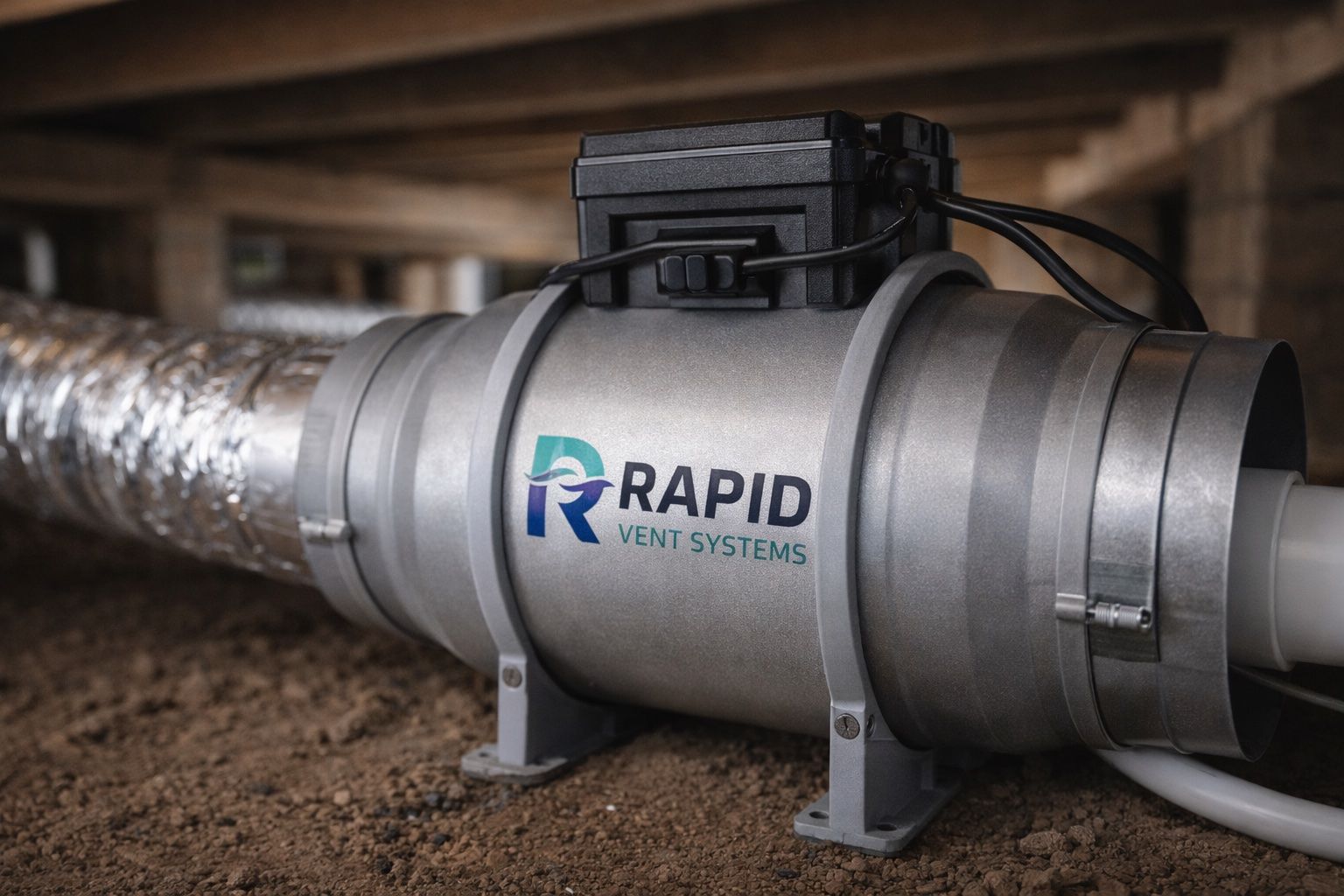
We design and install custom subfloor ventilation systems that improve airflow beneath the home, helping remove moisture-laden air and reduce damp conditions in the subfloor area. Depending on the size, layout, and ventilation needs of the space, our solutions may include passive ventilation upgrades or mechanical systems with inline fans to ensure consistent and effective airflow.
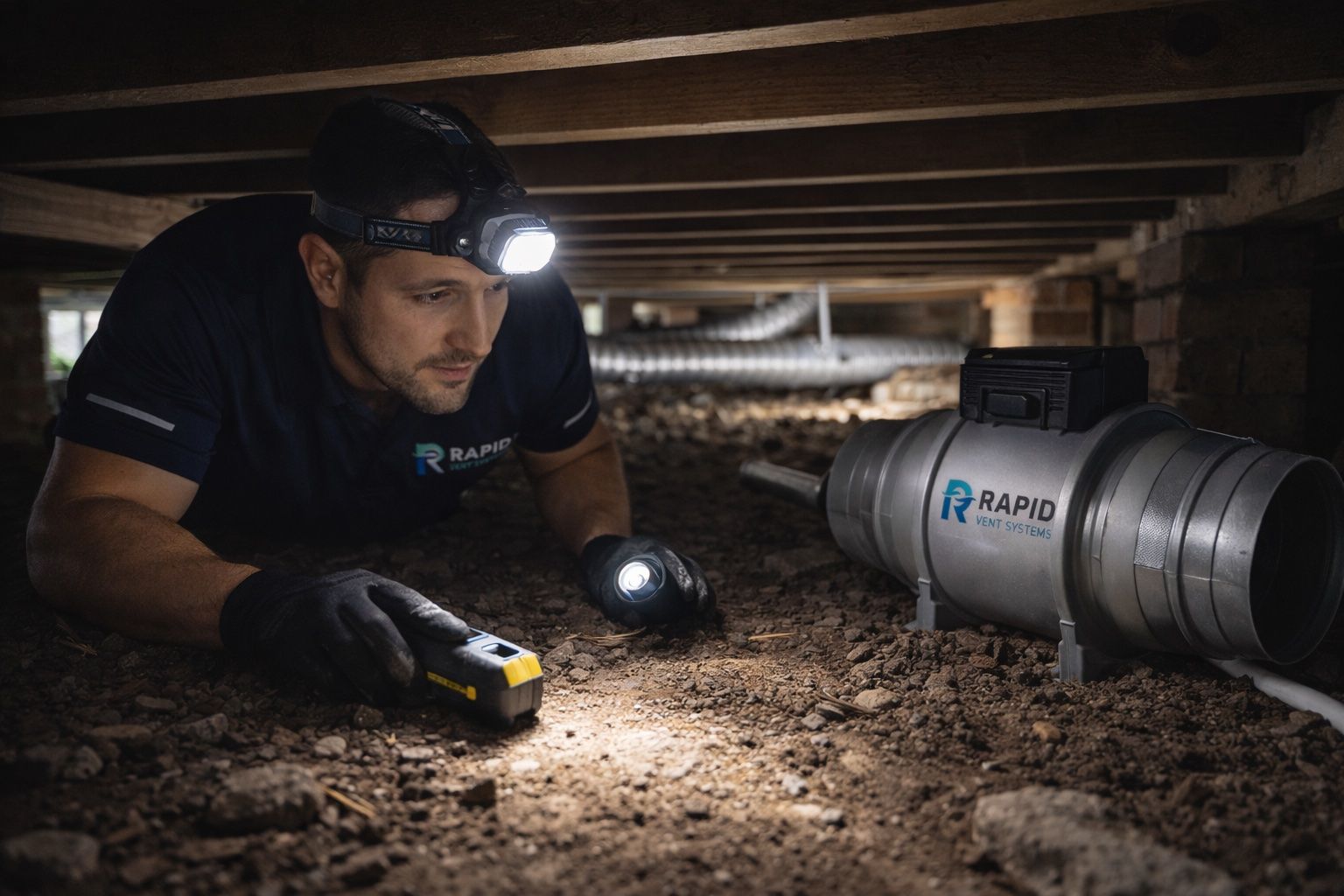
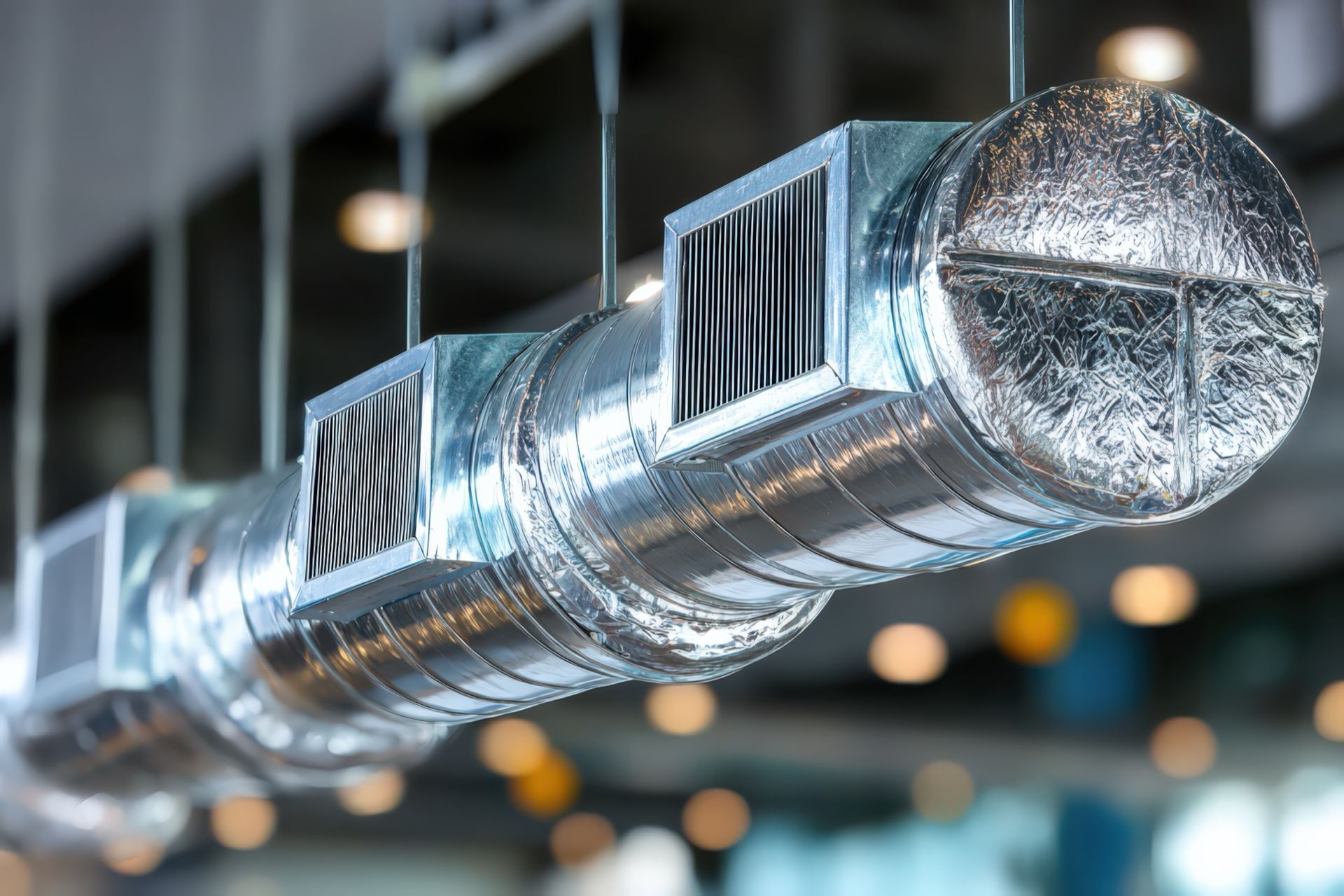
We install professional subfloor ventilation systems designed to remove damp air and improve airflow beneath the home. Depending on the layout of the sub floor area, this may include passive ventilation upgrades, cross ventilation improvements, or mechanical ventilation using inline fans and floor ventilation kits.
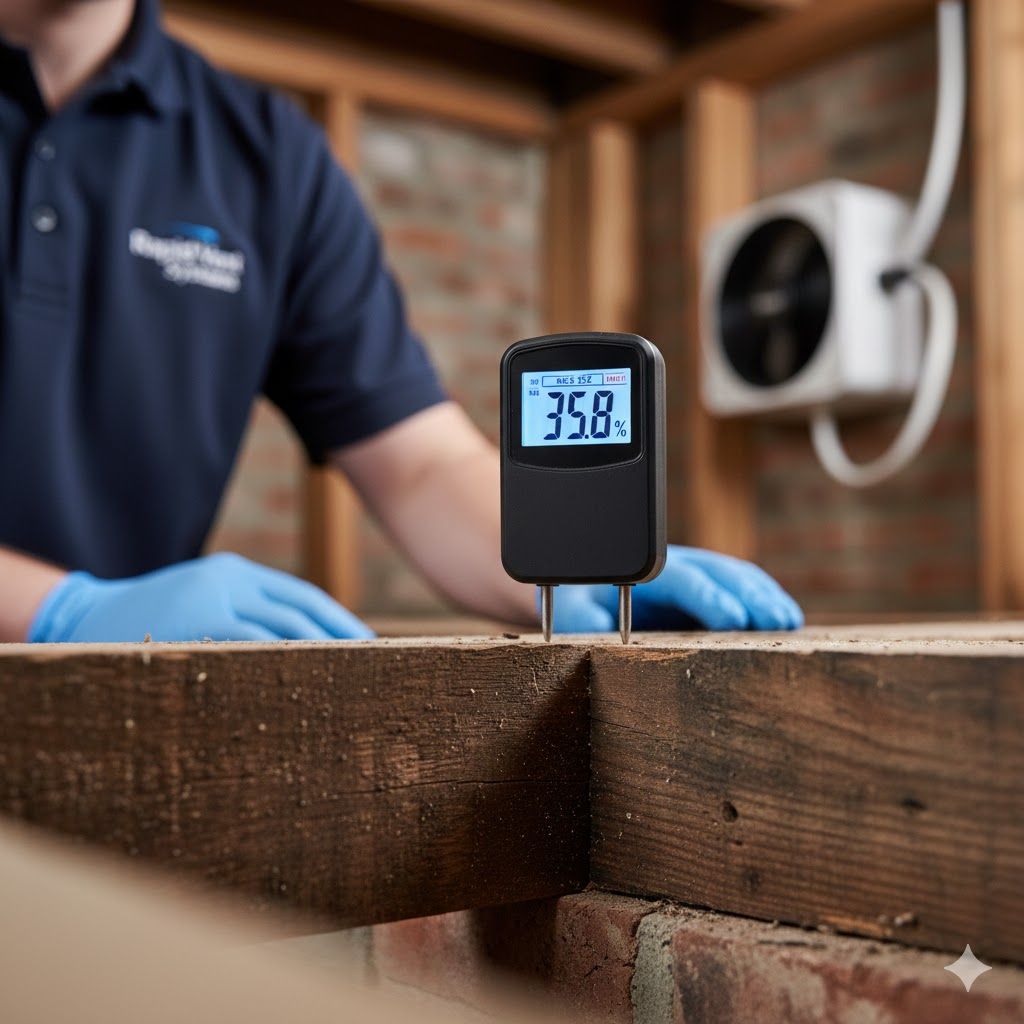
Existing floor ventilation systems can become ineffective due to blocked vents, poor installation, or insufficient airflow. Our team can inspect and repair underperforming subfloor ventilation systems, replacing faulty components or upgrading the system to improve airflow beneath the home.
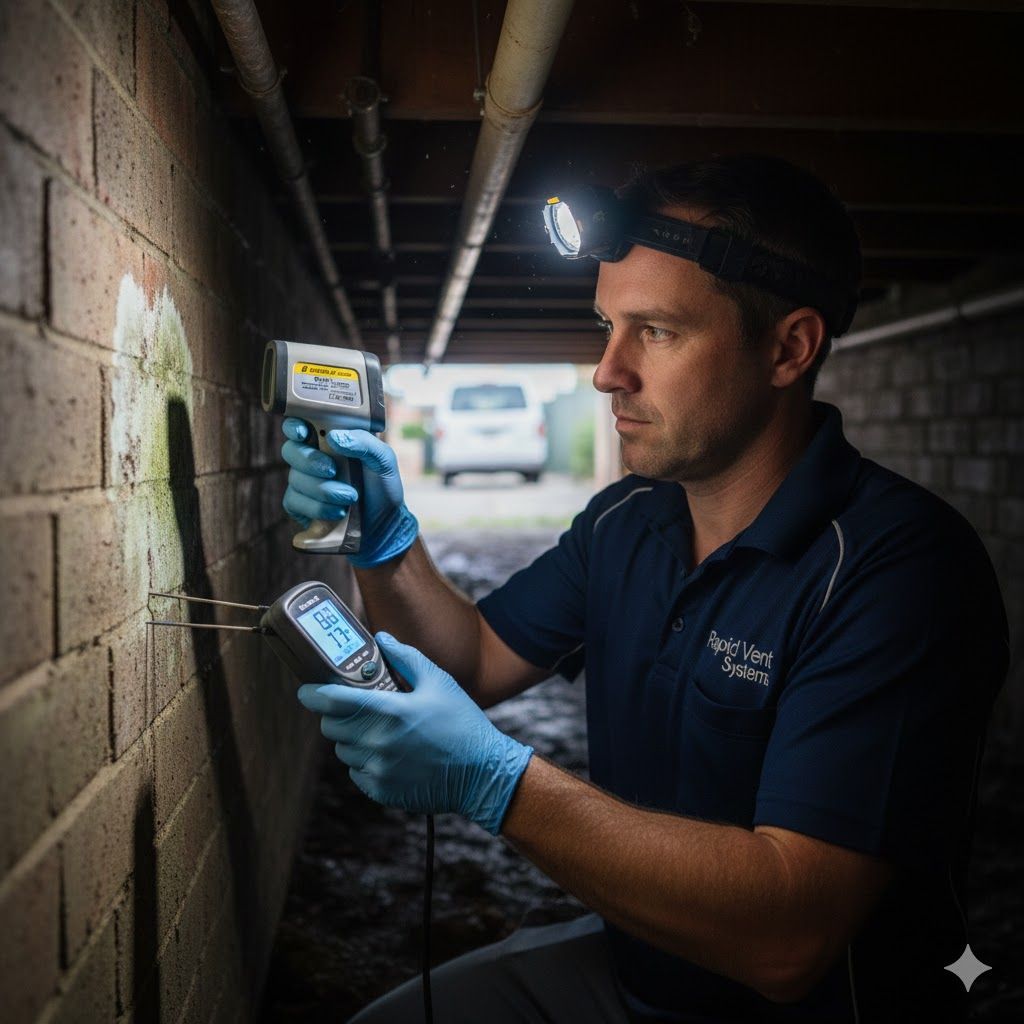
Persistent moisture and poor ventilation often lead to mould growth within the subfloor space. Our inspection identifies mould on timber structures, joists, and insulation while assessing the moisture conditions contributing to the problem.
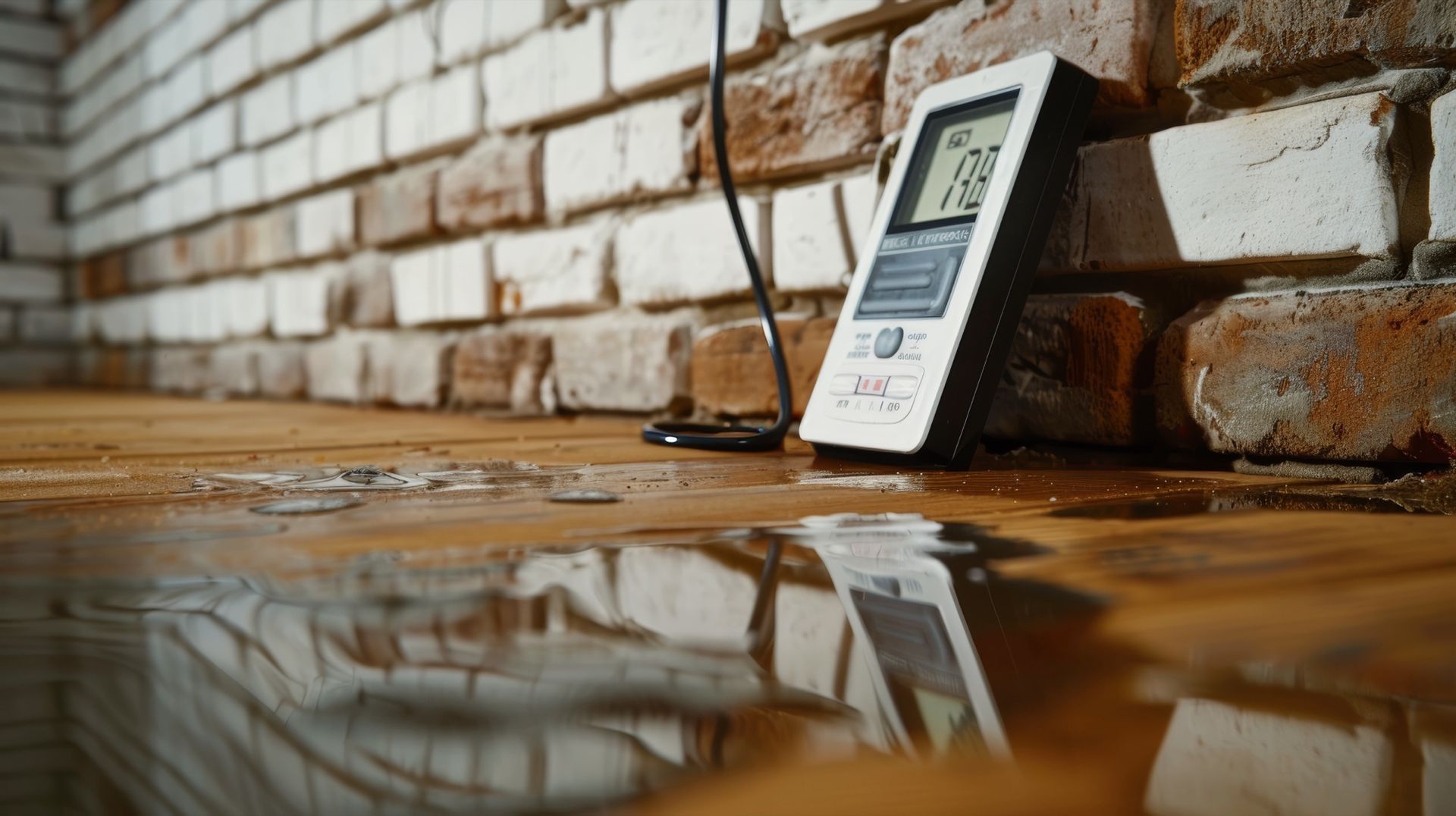
Mould is often a symptom of hidden moisture and poor airflow — not just a surface issue. Our professional mould removal service identifies where the problem is coming from, treats visible mould safely, and implements a solution to control moisture levels long-term. This ensures your home stays cleaner, healthier, and free from recurring mould problems.
Our No-Pressure, Inspection-First Guarantee
We guarantee that your subfloor inspection is honest, professional, and completely pressure-free. Our role is to help you understand what’s happening under your home — not to sell you something you don’t need. If ventilation or mould treatment isn’t required, we’ll tell you clearly, and you won’t pay a cent for the inspection.
- 100% Free Subfloor Inspection — no hidden conditions
- No Call-Out Fees — ever
- Straight, Honest Advice — even if no work is required
- 3-Year Workmanship Warranty on all installations
Our Sub floor Ventilation Process
Detailed Sub Floor Ventilation Inspection (No Call-Out Fees)
We begin with a 100% free subfloor inspection to assess the condition of the subfloor space. Our team checks humidity levels, airflow, ground moisture, and signs of mould growth, damp air, or poor ventilation.
This inspection allows us to identify common issues such as floor ventilation problems, rising damp, poor drainage, or insufficient airflow beneath suspended floors.
Moisture & Ventilation Assessment
Next, we evaluate the ventilation performance of the subfloor area. This includes checking existing vents, airflow pathways, and the size of the floor area to determine whether the current system provides adequate cross ventilation.
We also measure relative humidity levels and moisture sources to ensure the correct ventilation system is recommended.
Custom Ventilation System Design
Based on the inspection findings, we design a tailored subfloor ventilation system suitable for your home. Depending on the conditions, this may include passive ventilation improvements, mechanical ventilation with inline fans, or floor ventilation kits to improve airflow and remove moisture-laden air.
Professional Installation or Repair
Our technicians install or repair the ventilation system carefully to ensure maximum airflow and long-term reliability. Proper installation ensures that damp air is removed efficiently while fresh air circulates throughout the subfloor space.
Healthier, Drier Home
Once installation is complete, the improved airflow helps maintain a dry and balanced subfloor environment. This reduces moisture buildup, improves indoor air quality, and prevents common issues such as musty odours, damp conditions, and mould growth beneath the home.
Book Your Free Mould Inspection in Sydney’s Eastern Suburbs
If your home has musty smells, mould growth, damp floors, or humidity issues, the problem may be starting beneath the house. Poor subfloor ventilation can trap moisture-laden air under suspended floors, creating the conditions for mould, timber damage, and poor indoor air quality.
Rapid Vent Systems helps homeowners across the Eastern Suburbs of Sydney identify and resolve these hidden moisture problems with professional subfloor inspections, ventilation systems, and mould solutions designed for Sydney’s humid coastal climate.
We take an inspection-first approach, so you can understand exactly what is happening beneath your home before any work is recommended.
100% Free Moisture & Airflow Assessment
With any ventilation system quote
- No Call-Out Fees Sydney-Wide
- 100% Free Subfloor Inspection
- Engineered Ventilation Solutions
- 3-Year Workmanship Warranty
Frequently Asked Questions
How do I know if my home needs subfloor ventilation?
One of the most common signs that a Eastern Suburbs home needs improved subfloor ventilation is a musty smell inside the house or visible mould on lower walls and floors. These symptoms usually indicate excess moisture trapped beneath the home.
If you notice persistent damp smells, mould growth, or cold and damp flooring, it is advisable to seek professional advice and a subfloor inspection to determine whether ventilation improvements are needed.
What causes moisture to build up under a home?
Moisture can enter the subfloor space from several sources. In many parts of Sydney, clay-based soils hold water, which leads to continuous groundwater evaporation beneath the home. Poor drainage around the property and limited sunlight can also increase humidity levels.
Without adequate sub floor ventilation, this moisture becomes trapped beneath the home, creating a damp environment that can affect timber structures and indoor air quality.
What is the difference between passive and mechanical subfloor ventilation?
Passive ventilation relies on natural airflow entering through wall vents or air bricks positioned around the perimeter of the subfloor area. Traditional passive ventilation methods depend entirely on wind and temperature differences to move air.
Mechanical subfloor ventilation, on the other hand, uses powered fans to actively extract stale, moisture-laden air from beneath the home and replace it with fresh outside air. Mechanical systems create airflow on demand and provide consistent ventilation regardless of weather conditions.
In many humid areas of Eastern Suburbs, passive vents alone are often insufficient, which is why mechanical systems are commonly recommended.
Will subfloor ventilation help prevent mould?
Yes. When moisture builds up beneath a home, it creates the perfect environment for mould growth and damp conditions. Mechanical subfloor ventilation systems remove moisture-laden air and help keep the subfloor area dry.
Reducing humidity beneath the home not only helps prevent mould but also improves overall indoor air quality and reduces musty odours inside the house.
Can subfloor ventilation protect timber floors?
Proper subfloor ventilation helps preserve timber floors by preventing moisture buildup beneath the home. Excess humidity can cause timber flooring to warp, swell, or cup, particularly in homes with suspended timber floors.
By removing damp air and maintaining balanced airflow, ventilation systems help protect expensive flooring and structural timber components such as joists and bearers.
Does subfloor ventilation help reduce termite risk?
Yes. Damp environments are highly attractive to termites and other pests. When the subfloor space remains moist, it creates ideal conditions for termite activity around timber structures.
Improving ventilation helps keep timber joists and bearers dry, reducing the conditions that allow termites to thrive.
How is a subfloor ventilation system designed?
Designing a ventilation system involves assessing the size and layout of the subfloor area. The surface area of the subfloor determines how many extraction points and ducting runs are required.
Ventilation requirements also depend on the cubic volume of the subfloor space, which is calculated by multiplying the floor area by the average height beneath the house. These measurements help determine the airflow capacity needed to properly ventilate the area.
What preparation is required before installing ventilation?
Before installing a ventilation system, the subfloor space should be cleared of debris, vegetation, and obstructions that could block airflow. Adequate clearance between the ground surface and the structural timber members is also important to ensure proper ventilation performance.
A professional inspection helps confirm whether the subfloor conditions meet ventilation requirements and whether any preparation is needed.
What fans are typically used in subfloor ventilation systems?
Mechanical ventilation systems use specialised inline fans designed for quiet operation and reliable airflow. Popular options include Fanco inline fans, such as the TT Silent fan for low-noise applications and the VKM fan for longer duct runs.
These fans are selected based on airflow requirements, duct length, and the overall design of the ventilation system.
Book Your Free Mould Assessment Today!
Speak with a subfloor ventilation specialist and get clear, honest advice — no pressure, no guesswork.