

Professional Subfloor Ventilation Services in Paddington
Paddington's rows of Victorian terraces are some of the oldest housing stock in Sydney, and many were built well before
subfloor ventilation was ever considered part of good construction. Rapid Vent Systems inspects, ventilates, and treats subfloors beneath Paddington homes, helping owners of these heritage properties control moisture before it turns into a mould problem, timber damage, or a musty house. Whether your terrace sits on Glenmore Road or backs onto a laneway off Elizabeth Street, we work around the tight access and narrow lots these homes are known for.
Free Subfloor Assessment for Paddington Homes, Save 20% on Your System
Included with any ventilation system quote
No Call-Out Fee For Homes in Paddington
A Thorough inspection at Start
Systems designed for Paddington
3-year workmanship warranty
Paddington's Heritage Terraces and Hidden Subfloor Risks
Paddington's terraces were mostly built in the late 1800s along the ridge that runs down from Oxford Street, packed tightly onto narrow blocks with barely a gap between one house and the next. That density means subfloor spaces are often small, awkward to reach, and sometimes only accessible through a single manhole at the front or back of the house. Many of these subfloors were never designed with ventilation in mind at all, and even where vents exist in the external walls, they rarely offer adequate ventilation for a space this enclosed.
The suburb's hillier stretches add another layer to the problem. Terraces close to the Oxford Street ridge sit on sloping blocks, and sandstone retaining walls holding back the block next door can trap groundwater against a home's foundations. Combined with heritage rules that limit how much can be changed at the front of these houses, many owners are left with a subfloor that's sat as a humid environment, untouched, for over a century. Fixing the airflow underneath doesn't require altering the facade, but it does require knowing exactly how these older terraces were built in the first place.
We Beat Any Written Quote!
Get in touch with us if you have any queries and we will get back to you as soon as possible.
Contact Us
We will get back to you as soon as possible.
Please try again later.




5-Star Rated By Sydney Drivers
What Every Paddington Job Includes
Free Inspection Before Any Work
We start every job with a full visual inspection of your subfloor's condition, checking airflow, humidity, and moisture before recommending anything, so you know exactly what's happening underneath before spending a cent on any repair work.
No Call-Out Fee in Paddington
Terrace subfloors can be tricky to access, but that shouldn't cost you extra just to find out what's wrong. We don't charge a call-out fee anywhere in Paddington, and we'll flag any obvious leaks or moisture sources we spot along the way.
3-Year Workmanship Guarantee
Every system we install uses quality building materials and is backed by a 3-year workmanship guarantee, so if anything needs adjusting after the job's done, whether that's a vent, a fan, or the ducting, you're covered.
Systems Built for Narrow Terraces
Paddington's terraces rarely have a standard subfloor layout. We design each system around the actual space available, sometimes calling for two fans across large areas so the ventilation fans maintain adequate ventilation despite the tight access these terraces are known for.
Common Subfloor Problems in Paddington Homes
Paddington's age and density mean certain problems turn up again and again in these subfloor areas, especially in terraces that have never had proper ventilation.
Damp Timber Bearers and Joists
Timber bearers and joists in older terraces sit close to the ground, and in a subfloor with little to no airflow, moisture from the soil below settles into these wet or moist areas and stays on timber surfaces far longer than it should. Without ventilation to control moisture at the source, the dampness rarely clears on its own.
Musty Smells in Older Terraces
A musty smell drifting up through floorboards is common in terraces where the subfloor has been sealed off for decades, creating a humid environment with nowhere for stale air to go. Without fresh air moving through, the smell just keeps building, and a blocked or missing vent is usually the common source.
Mould on Subfloor Framing
Once damp sets into a subfloor, a mould problem often follows on the timber framing and any wood-based insulation material added over the years, sometimes reaching jute backing under old carpet too. Once mould has developed, it can build up and begin to grow indoors well before it's noticed, which is why early mould remediation matters more than treating it once it's obvious.
Rising Damp in Sandstone Foundations
Many Paddington terraces sit on sandstone or brick foundations that were never damp-proofed to today's standard, and these older building materials can absorb groundwater more easily than modern construction. A defective window frame or worn seal at ground level can let in extra moisture too, and combined with condensation on cooler surfaces, it adds another source beneath the floor on the suburb's sloped streets.
Termites in Damp Subfloor Timber
A damp, unventilated subfloor is exactly the environment termites are drawn to, and older terraces with original timber bearers are particularly exposed if obvious leaks or consistent moisture go unaddressed. Termites can cause real damage long before any signs appear above ground, which is why keeping the subfloor dry matters as much for pest prevention as for the timber itself.
Poor Air Quality From Below
When subfloor air can't move, it doesn't stay contained, finding its way up through gaps in old timber floors and skirting. This can affect indoor air quality and bring real health risks, from general health problems to worse symptoms for family members who are more sensitive to dust and damp. Rental properties aren't exempt, and a landlord's failure to fix ventilation within a reasonable time can leave tenants facing the same issues as owners.
Subfloor Ventilation and Mould Solutions for Paddington
Rapid Vent Systems provides
subfloor ventilation and
mould services designed around the way Paddington's terraces were actually built. Here's what we offer.
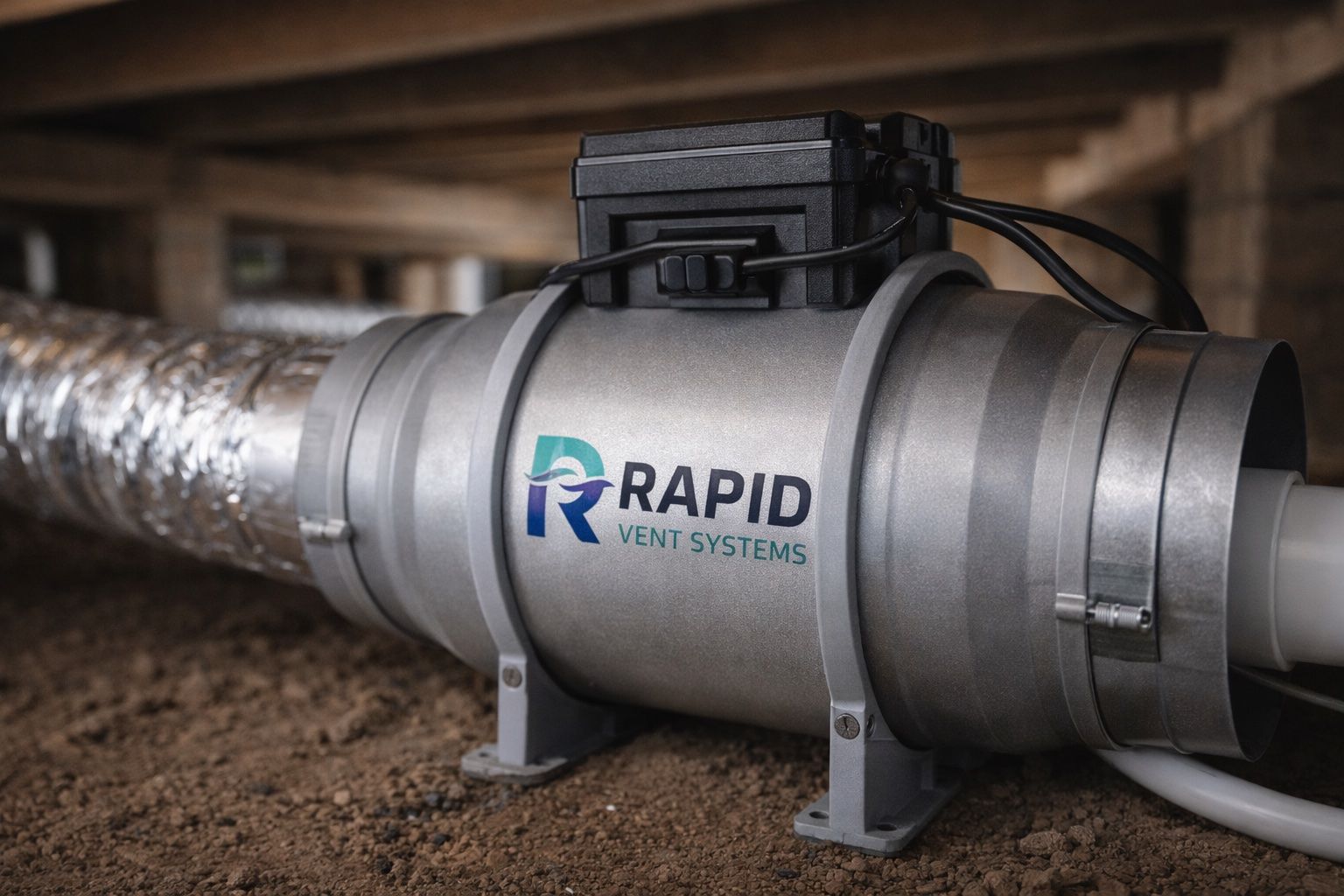
We design and install subfloor ventilation systems that work within a terrace's tight footprint, whether that means upgraded passive vents or a mechanical system with ventilation fans where passive airflow alone isn't enough. Mechanical systems deliver continuous air exchange throughout the subfloor so moisture doesn't build up in stagnant corners, and for every cubic metre of stale air extracted, an equal volume of fresh air needs to enter for the system to work efficiently.
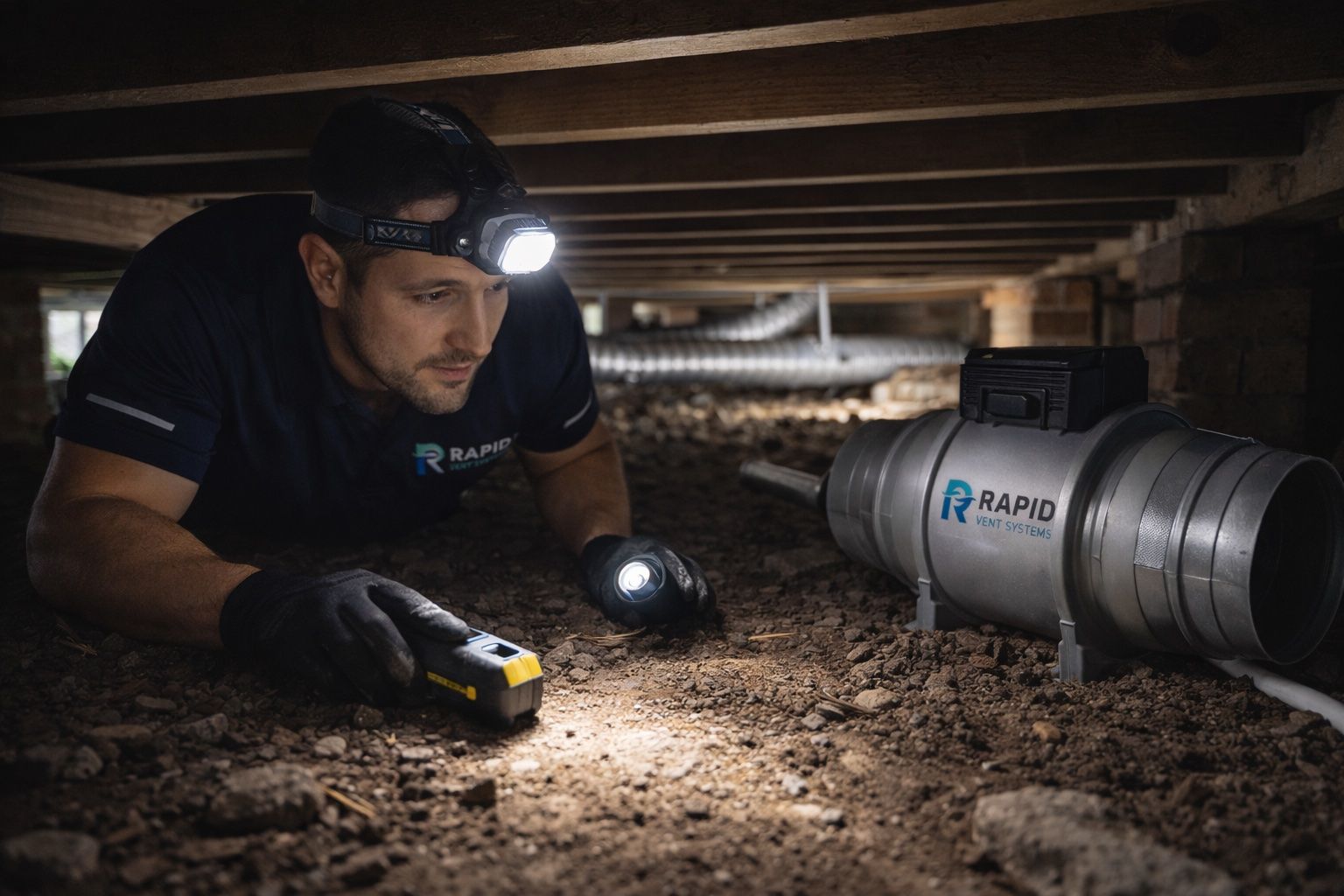
Our team inspects the subfloor for humidity, airflow, and moisture sources, combining a visual inspection with checks along the external walls and foundations for where rising damp or poor drainage might be affecting older sandstone or brick footings. This helps us
control moisture at the source rather than guessing at a fix.
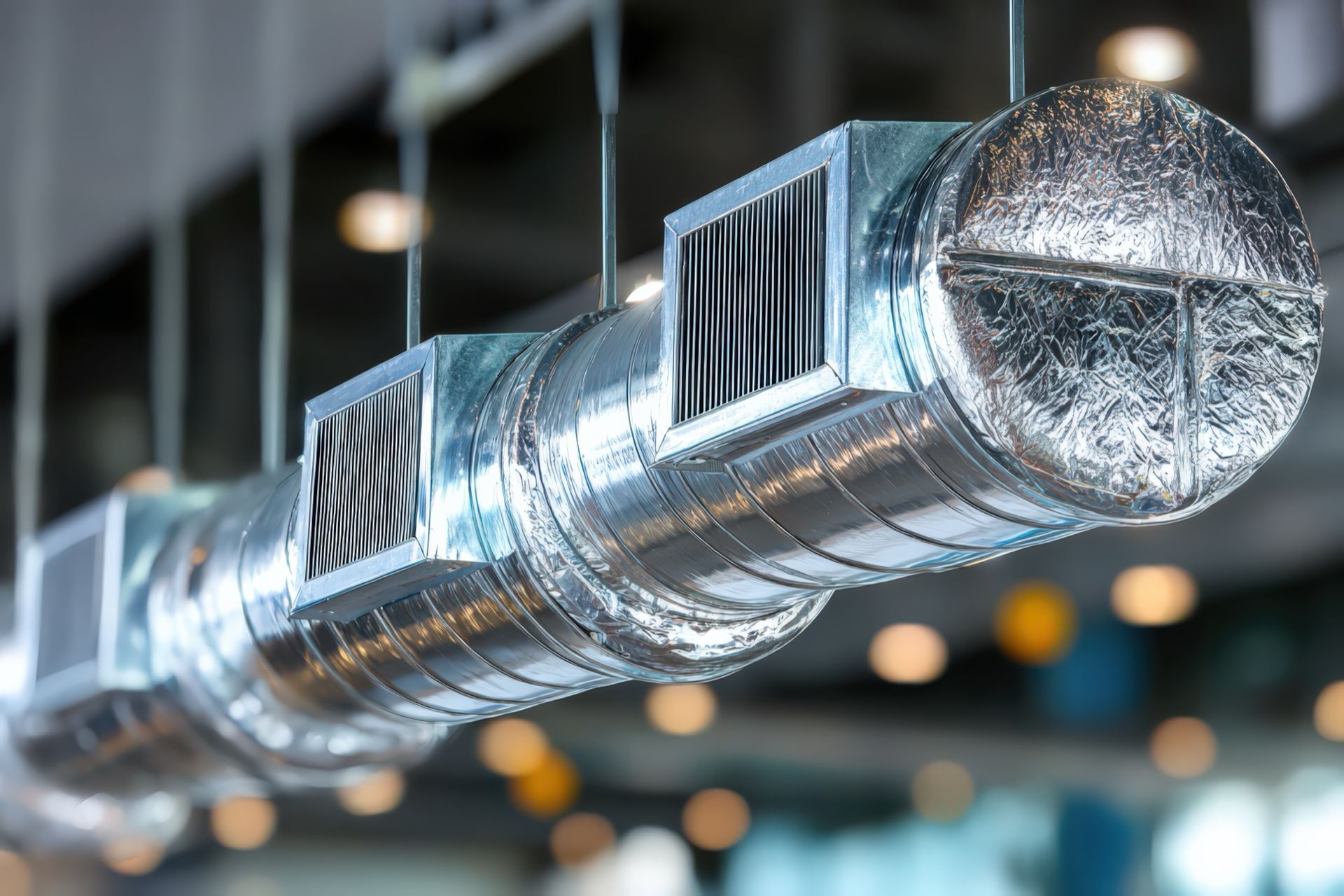
Where a terrace has no ventilation system at all, or an old one that's stopped doing its job, we install a setup suited to the subfloor's size and access. This means at least 400mm of clearance above the ground, vents with real open area (older terracotta offers around 3,800mm² versus about 14,200mm² for modern wire mesh), and meeting the National Construction Code's 6,000mm² minimum per metre of wall for high-humidity areas.
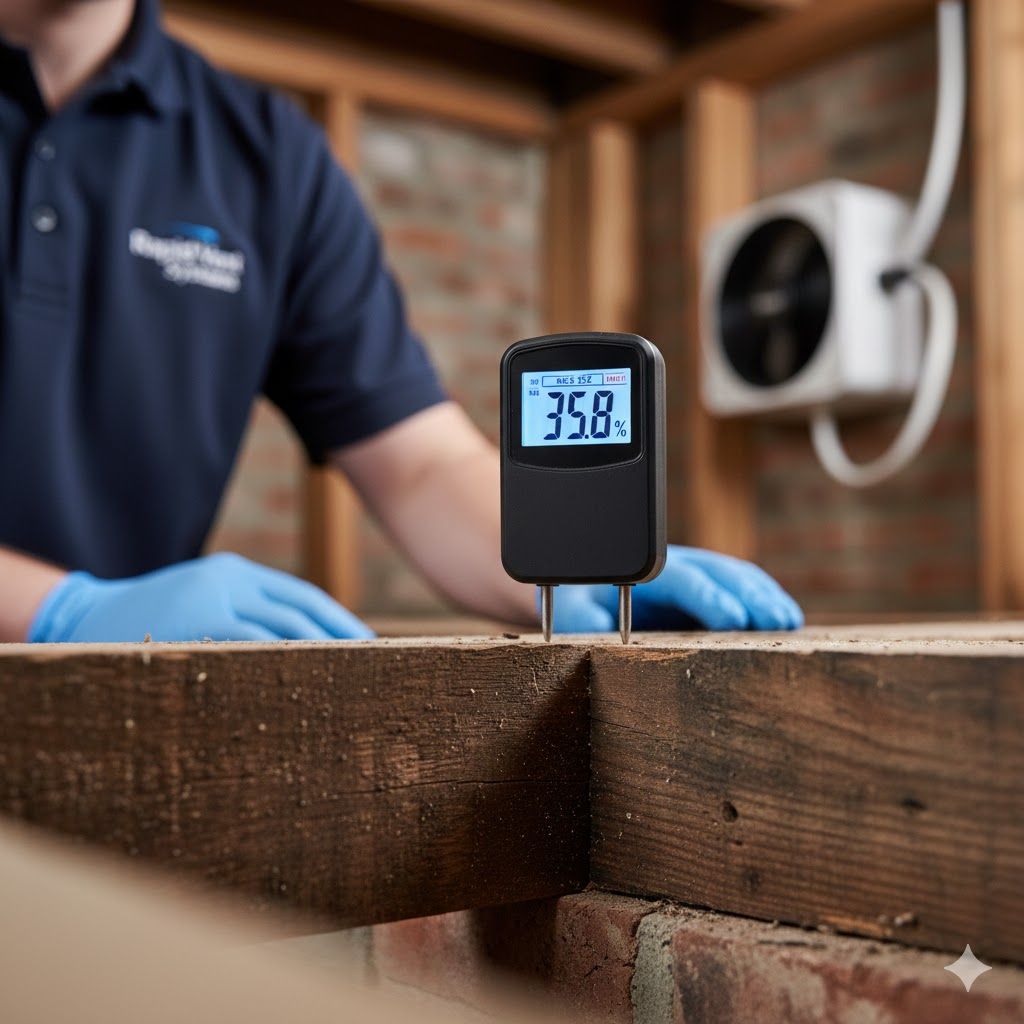
Blocked vents, damaged ducting, and failed fans are common in terraces where the subfloor hasn't been checked in years. Mechanical extraction systems are popular across Australian homes for clearing damp subfloor air, so we assess what's not working, repair or replace it, and put together an effective solution that restores proper airflow underneath the home for years to come.
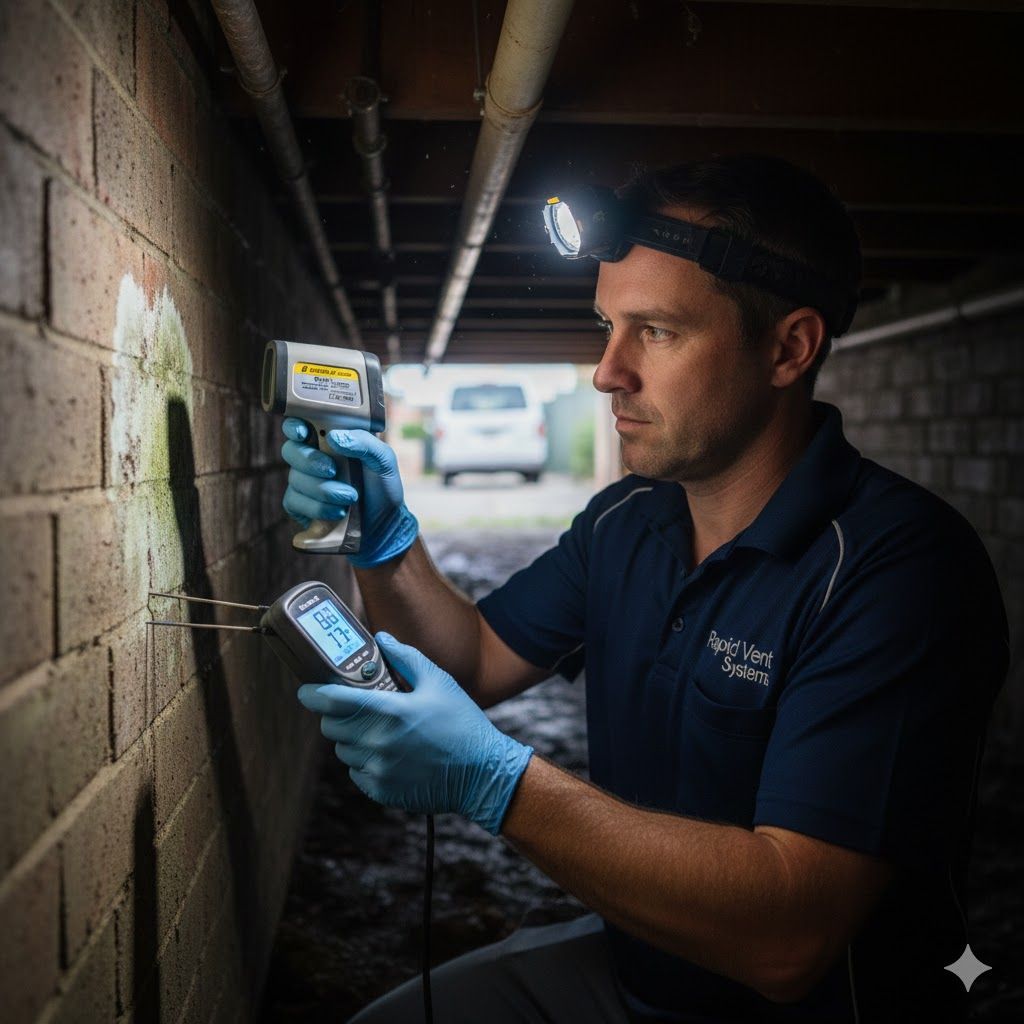
We check timber framing and insulation for mould while assessing the moisture levels behind it, at no cost, so you know exactly what you're dealing with before any work is recommended. For larger or unclear cases, this can include the same checks an occupational hygienist would carry out, covering every sign of mould we can find.
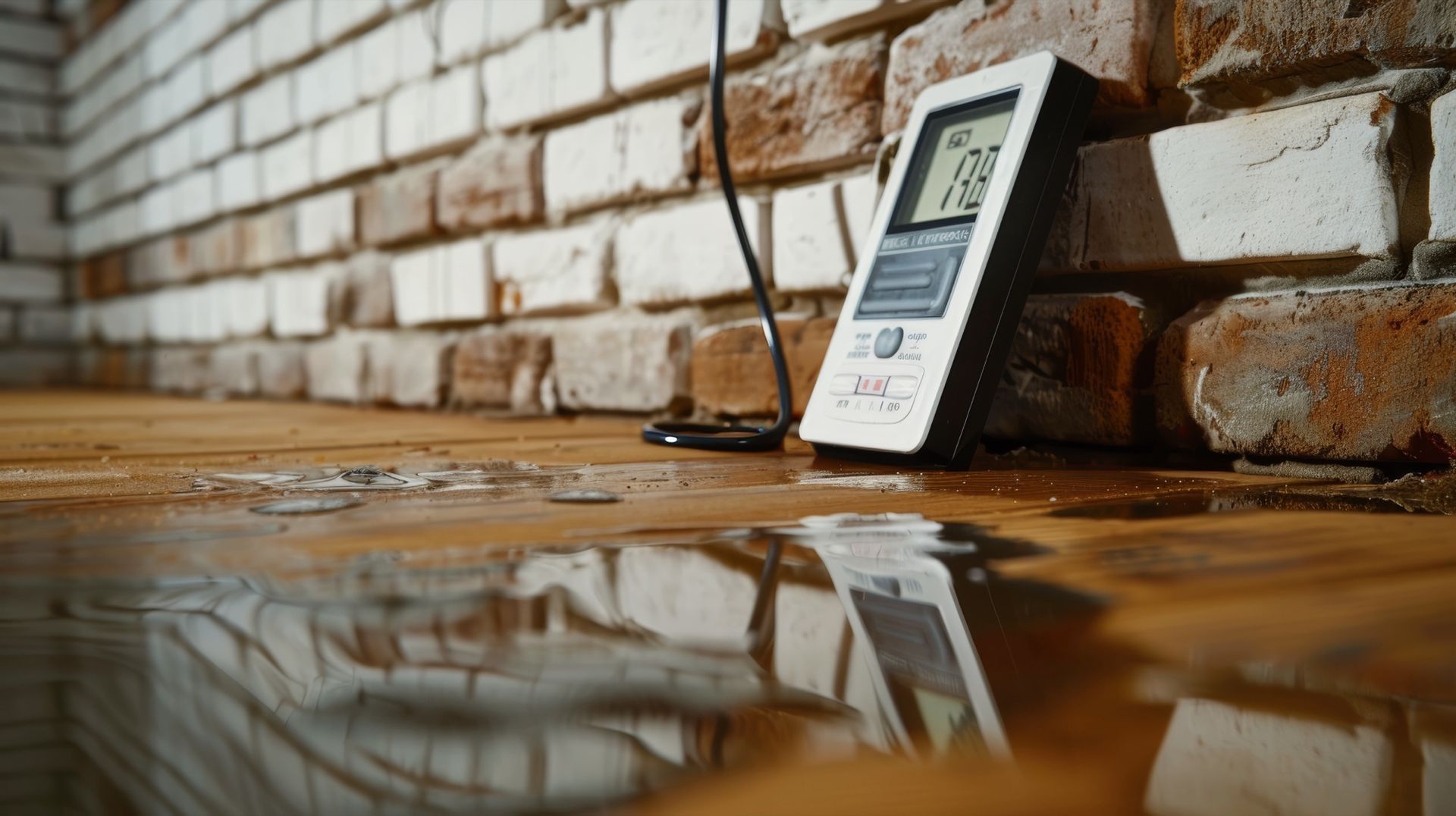
Where mould has taken hold, we remove it safely, including mildew and spores that have spread through timber framing and insulation, and deal with the moisture causing it rather than just treating what's visible on the surface. Combining
removal with proper ventilation gives your Paddington terrace a longer-lasting result.
Honesty First: No Work Without a Reason
We won't tell a Paddington homeowner they need work they don't. Every job starts with an honest look underneath the house, and if there's nothing to fix, that's exactly what we'll tell you, before a small issue turns into costly repairs down the track.
- 100% free subfloor inspection, no obligation
- No call-out fees, anywhere in Paddington
- Straight advice, even if it means no work is needed
- 3-year workmanship warranty on every installation
Our Proven Process to Fix Paddington Subfloors
Initial Subfloor Inspection
We begin with a free inspection, checking humidity, airflow, and access points to understand exactly what your terrace's subfloor is dealing with.
Checking Airflow and Vents
Next we assess existing vents, ducting, and access, looking at how air currently moves, or doesn't move, through the subfloor space.
Planning the Right System
Based on what we find, we put together a ventilation plan that suits the terrace's layout, whether that's upgraded passive vents or a mechanical setup.
Installing and Repairing Ventilation
Our team installs new systems or repairs existing ones, working carefully within the tight access many Paddington terraces have.
A Drier Home for the Long Term
Once the system is running, your subfloor stays drier and better ventilated, cutting down on musty smells and the risk of mould returning.
Free Mould Inspection Servicing Paddington
If your Paddington terrace has a musty smell, damp patches, or visible mould, the source is often sitting in a subfloor that's never had proper airflow. In heritage terraces especially, moisture can sit undisturbed for years simply because the space is so hard to access. Sydney's humidity often exceeds 70 to 80 percent, causing condensation on cooler surfaces, and mechanical subfloor ventilation that replaces stale air with fresh air is one of the most effective ways to stop mould forming in these conditions.
Rapid Vent Systems inspects, repairs, and treats subfloor ventilation and mould issues for homes across Paddington and the surrounding inner-eastern suburbs. Every job starts with an inspection, so you understand exactly what's happening beneath your home before we recommend any work.
20% Off Your Ventilation System, Free Assessment Included
With any ventilation system quote
- No call-out fees, Sydney-wide
- 100% free subfloor inspection
- Engineered ventilation solutions
- 3-year workmanship warranty
Frequently Asked Questions
What are the signs my Paddington terrace needs subfloor ventilation?
Musty smells, damp patches near skirting boards, and visible mould are the most common signs, especially in terraces where the subfloor has never been ventilated since it was built.
How do you inspect a subfloor with limited access?
We work through whatever access point the terrace has, often a single manhole, using the inspection to check humidity, airflow, and moisture without needing to disturb the home's structure.
Why do older terraces struggle with subfloor ventilation?
Many were built before ventilation standards existed, with subfloors that were never designed to let air move through. Over a century later, that original design is often still what's causing the damp.
Is the mould inspection actually free?
Yes. We offer a free mould inspection to check whether mould is present in your subfloor and how far it's spread, with no obligation to book anything further.
Can you install ventilation without affecting a heritage-listed facade?
Yes. Subfloor ventilation work happens underneath the home, not on the street-facing facade, so it doesn't interfere with any heritage protections your terrace may have.
What's the difference between ventilation installation and repair?
Installation means fitting a new system where none exists or the current one isn't enough. Repair means fixing or upgrading an existing setup, like replacing blocked vents or a failed fan.
Can a damp subfloor affect my health?
Yes. Moisture and mould beneath the floor can rise into living areas through gaps in old timber flooring, which can bring real health risks and contribute to allergy symptoms, especially for people who are more sensitive to damp and dust.
What does a subfloor ventilation repair involve?
We inspect existing vents and fans for blockages or failures, then repair or upgrade what's needed to get proper airflow moving through the subfloor again.
Get Your Free Assessment for Your Paddington Home
Speak with a subfloor ventilation specialist about your terrace, no pressure, no guesswork, just honest advice.