Why Mould Keeps Coming Back (And How to Fix It Permanently)

Rapid Vent Systems • April 3, 2026

Share this article

Mould Keeps Coming Back? Here’s What’s Really Going On

You clean it. It looks gone. A few weeks later… it’s back again.


If you’re dealing with mould in your home, you’ve probably tried sprays, wipes, or even professional cleaning — only to find the same patches returning in the exact same spots. It’s frustrating, unhealthy, and feels like a problem that never truly goes away.


In Sydney, this issue is even more common than most people realise. Between high humidity, coastal air, and moisture trapped beneath homes or inside walls, mould isn’t just a surface problem — it’s often a sign of something deeper.


That musty smell that won’t disappear?
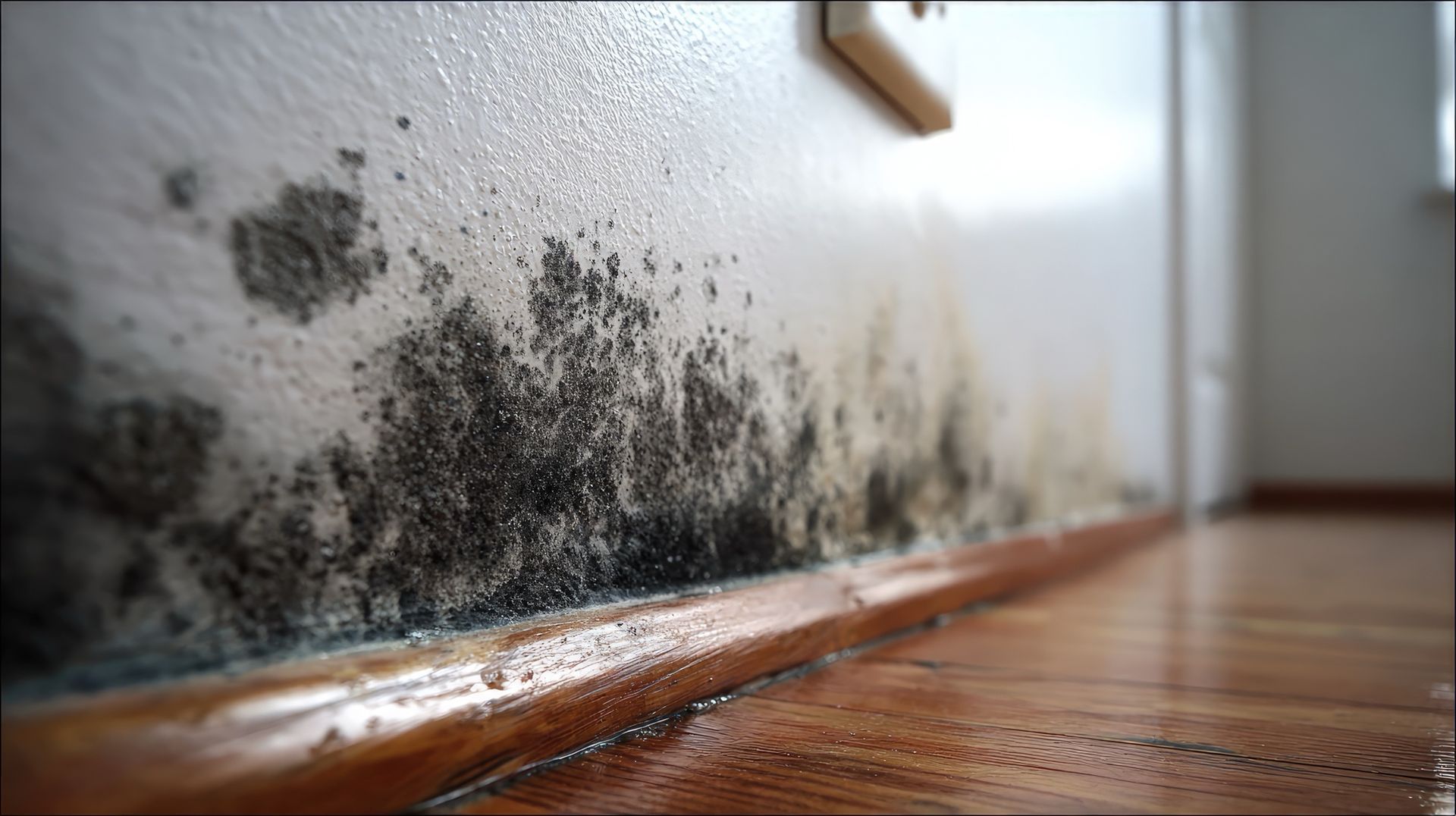
The black spots creeping back on ceilings or skirting boards?
The damp feeling in certain rooms?

These are all warning signs that the root cause hasn’t been addressed.


The truth is, most mould problems aren’t caused by dirt or lack of cleaning — they’re caused by hidden moisture. And unless that moisture is properly identified and fixed, the mould will keep coming back no matter how many times you remove it.

๏ปฟ

In this guide, you’ll learn why mould keeps returning, where the real problem comes from, and what it actually takes to fix it permanently — not just temporarily.

The Real Reason Mould Keeps Returning

Most people treat mould as the issue — something to clean, scrub, or remove. But mould itself is only the visible symptom, not the root cause. That’s why even after cleaning or professional treatment, it often comes back in the same areas. You’re removing what you can see, but not what’s actually causing it. Until the underlying conditions are addressed, mould will continue to reappear.

Moisture Is the Real Cause

Mould only grows when there’s excess moisture present. This can come from humidity, poor ventilation, leaks, condensation, or damp subfloors — all of which are common in Sydney homes. Once moisture is trapped in an area, it creates the perfect environment for mould to thrive and spread. To stop mould permanently, the focus must shift from cleaning surfaces to identifying and eliminating the source of moisture.๏ปฟ

Why Most “Mould Removal” Doesn’t Work Long-Term

Surface Cleaning Only Removes What You Can See


Most mould removal services — and DIY solutions — focus on cleaning visible mould from walls, ceilings, or tiles. While this can make the area look clean temporarily, it doesn’t address what’s happening beneath the surface. Mould roots (hyphae) can penetrate porous materials like plaster and timber, meaning surface cleaning only removes part of the problem. The result? It looks gone… but it isn’t.

The Root Cause Is Often Ignored


The biggest reason mould keeps coming back is simple — most services don’t investigate why it’s there in the first place. Issues like subfloor moisture, poor airflow, leaks, or condensation are frequently overlooked. Without identifying and fixing these underlying causes, mould will continue to return no matter how many times it’s removed.

Where Moisture Actually Comes From (Sydney Homes)

๐Ÿ  Subfloor Moisture (One of the Most Common Causes)

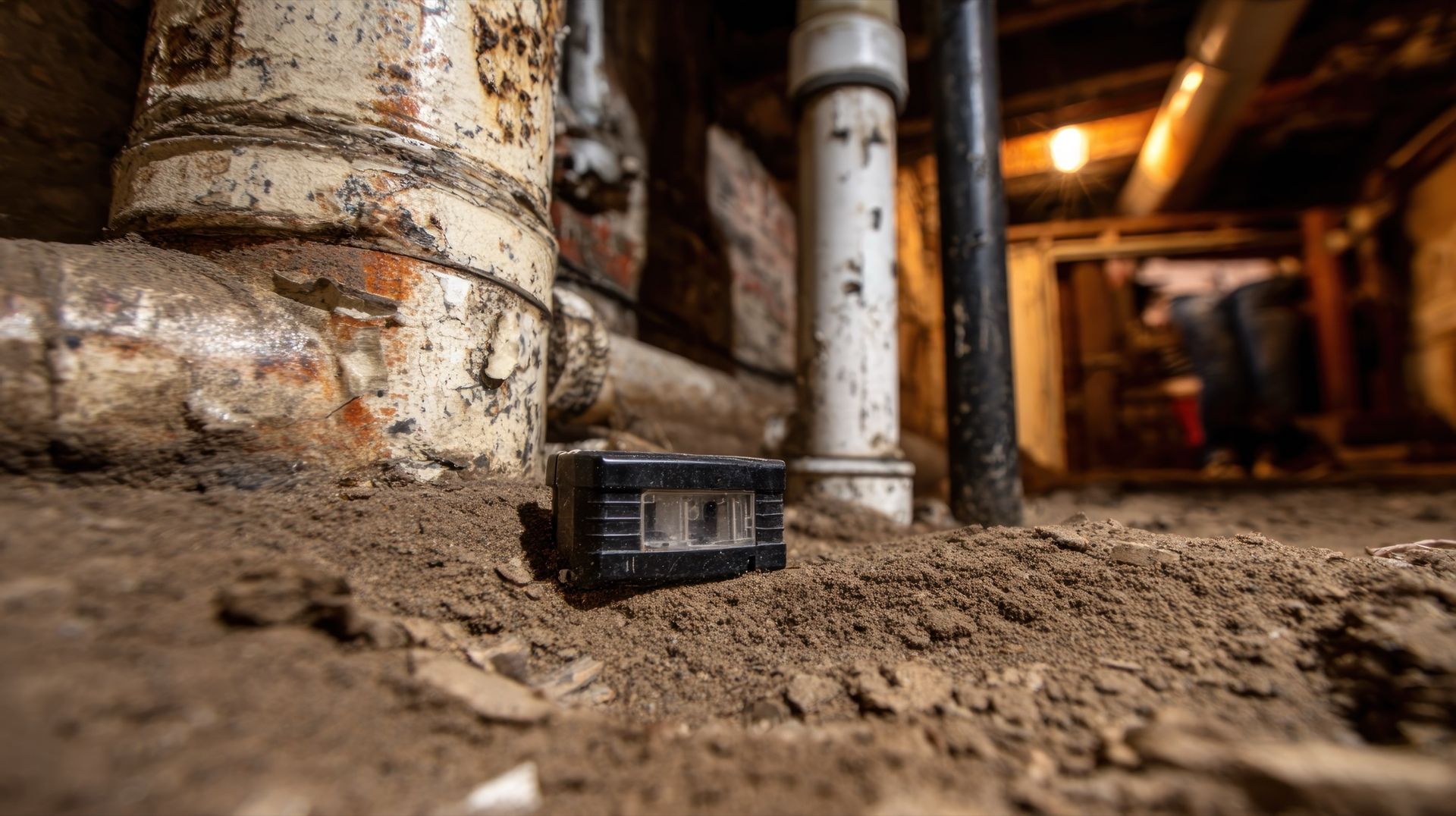
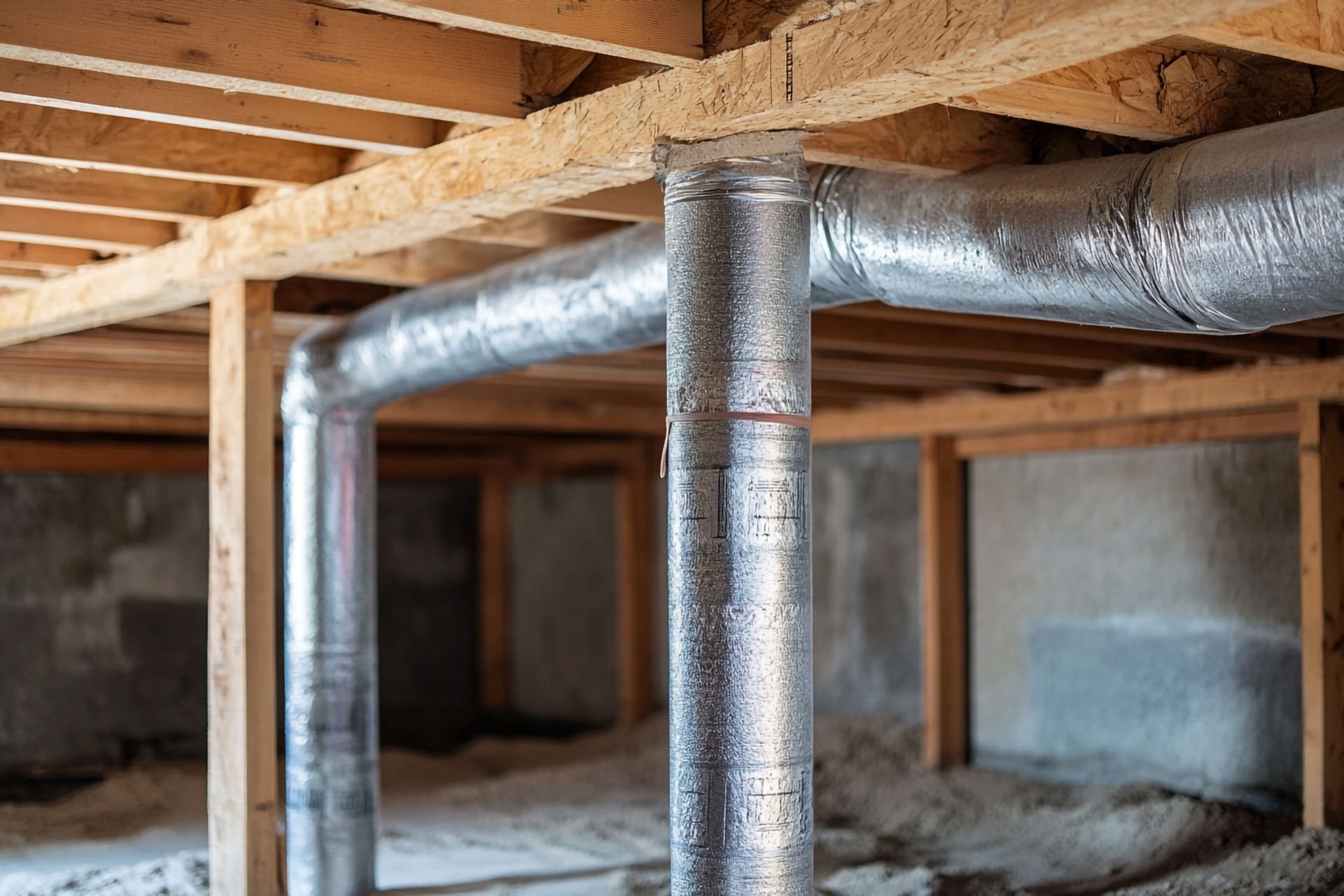
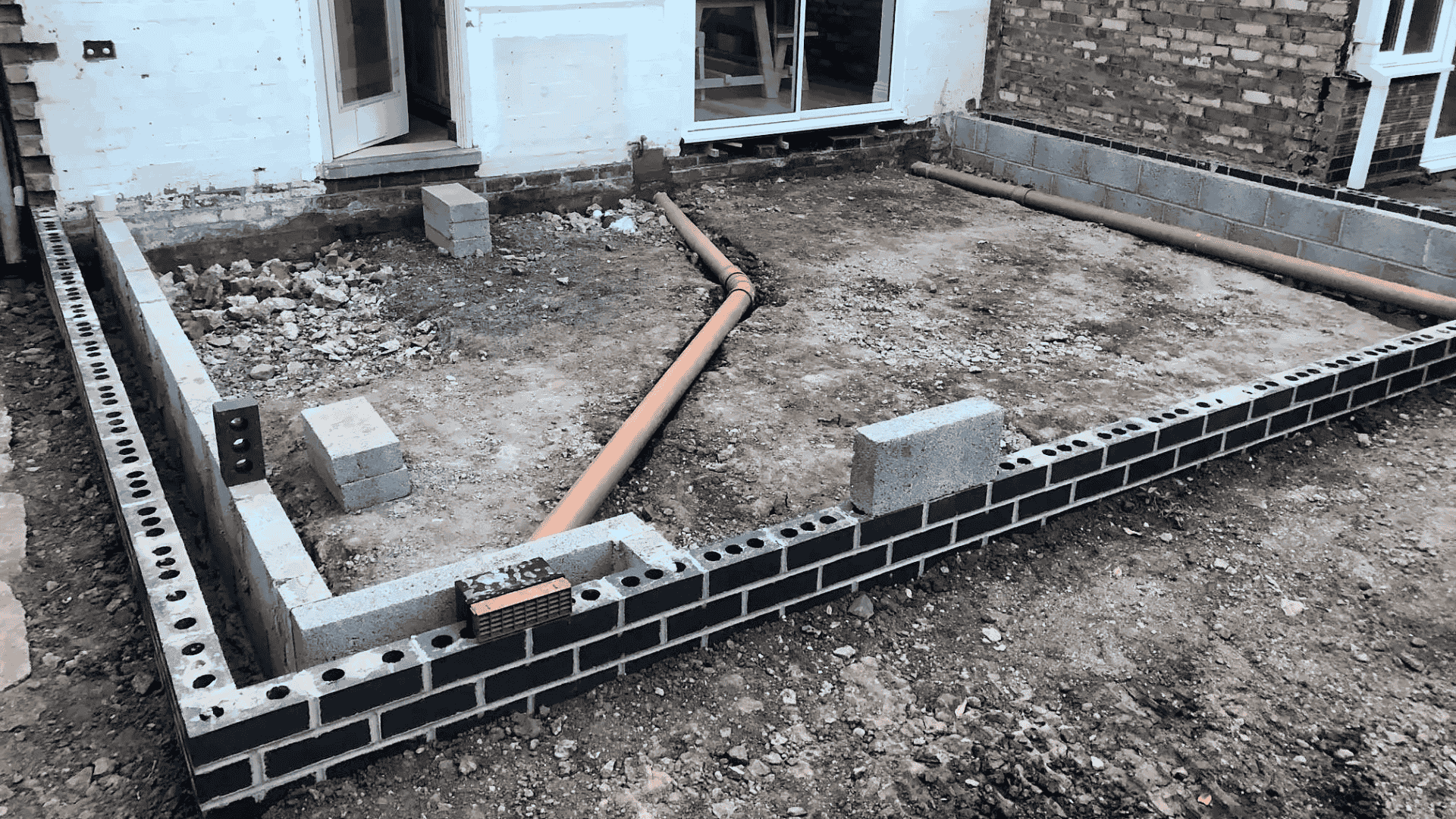
Many Sydney homes, especially those built on piers or with crawl spaces, trap moisture underneath the house. With clay-heavy soil and poor drainage common across Western Sydney and coastal areas, water can accumulate and stay trapped for long periods. Without proper subfloor ventilation, this moisture rises into the home, creating the perfect environment for mould to grow — often affecting floors, walls, and indoor air quality without being immediately visible.

๐ŸŒฌ๏ธ Poor Ventilation & Airflow

Homes that lack proper airflow tend to trap humidity indoors. This is especially common in bathrooms, laundries, and bedrooms with limited ventilation. When moist air can’t escape, it settles on surfaces and creates condensation — feeding mould growth over time. Modern homes that are tightly sealed for energy efficiency can actually make this worse if ventilation isn’t properly managed.

๐Ÿšฟ Condensation from Daily Living

Everyday activities like showering, cooking, and even breathing release moisture into the air. In areas with high humidity like Sydney, this moisture doesn’t always dissipate quickly. Instead, it builds up on windows, ceilings, and walls — particularly in colder months — leading to recurring mould in the same spots.

The Right Way to Fix Mould (So It Doesn’t Come Back)

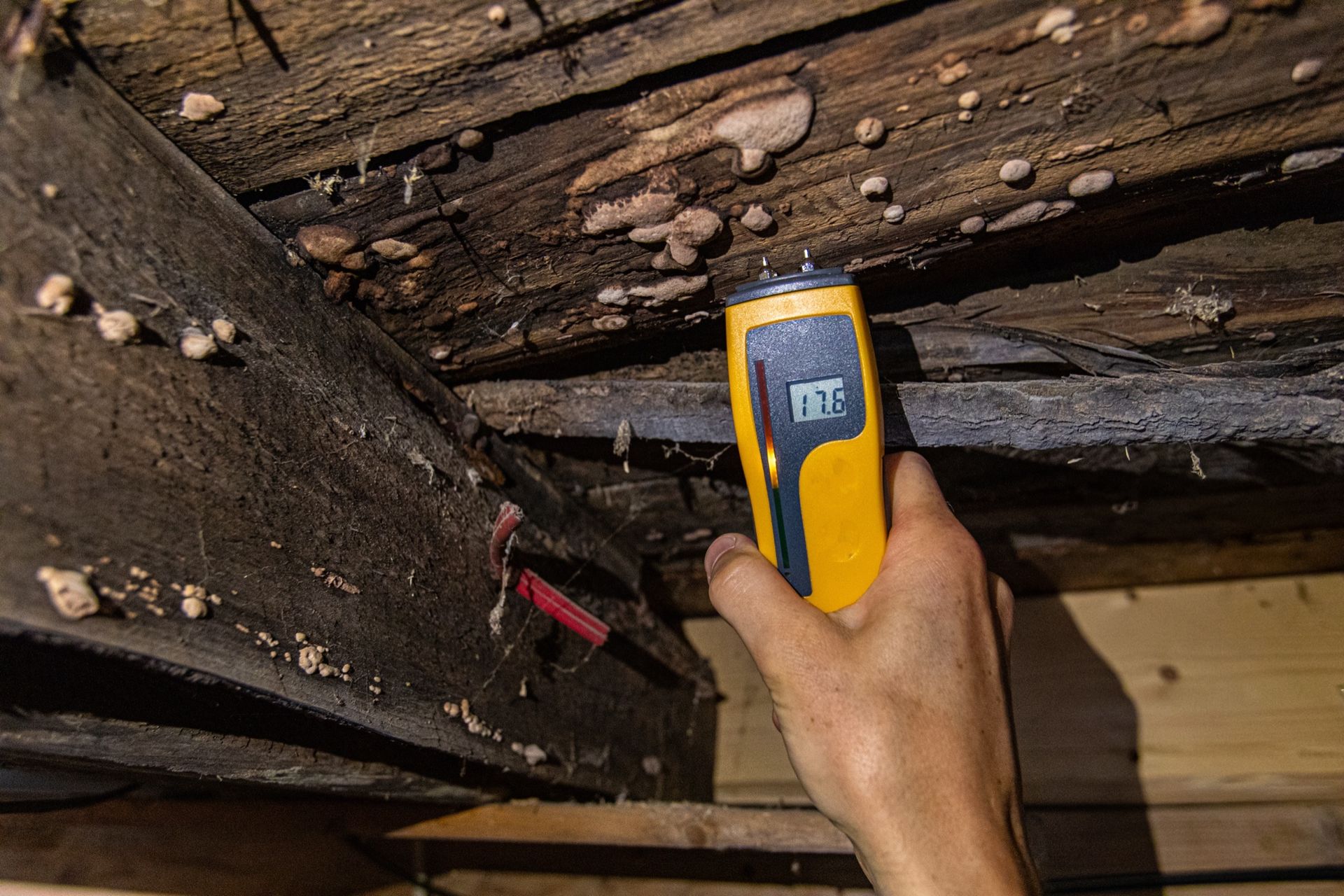
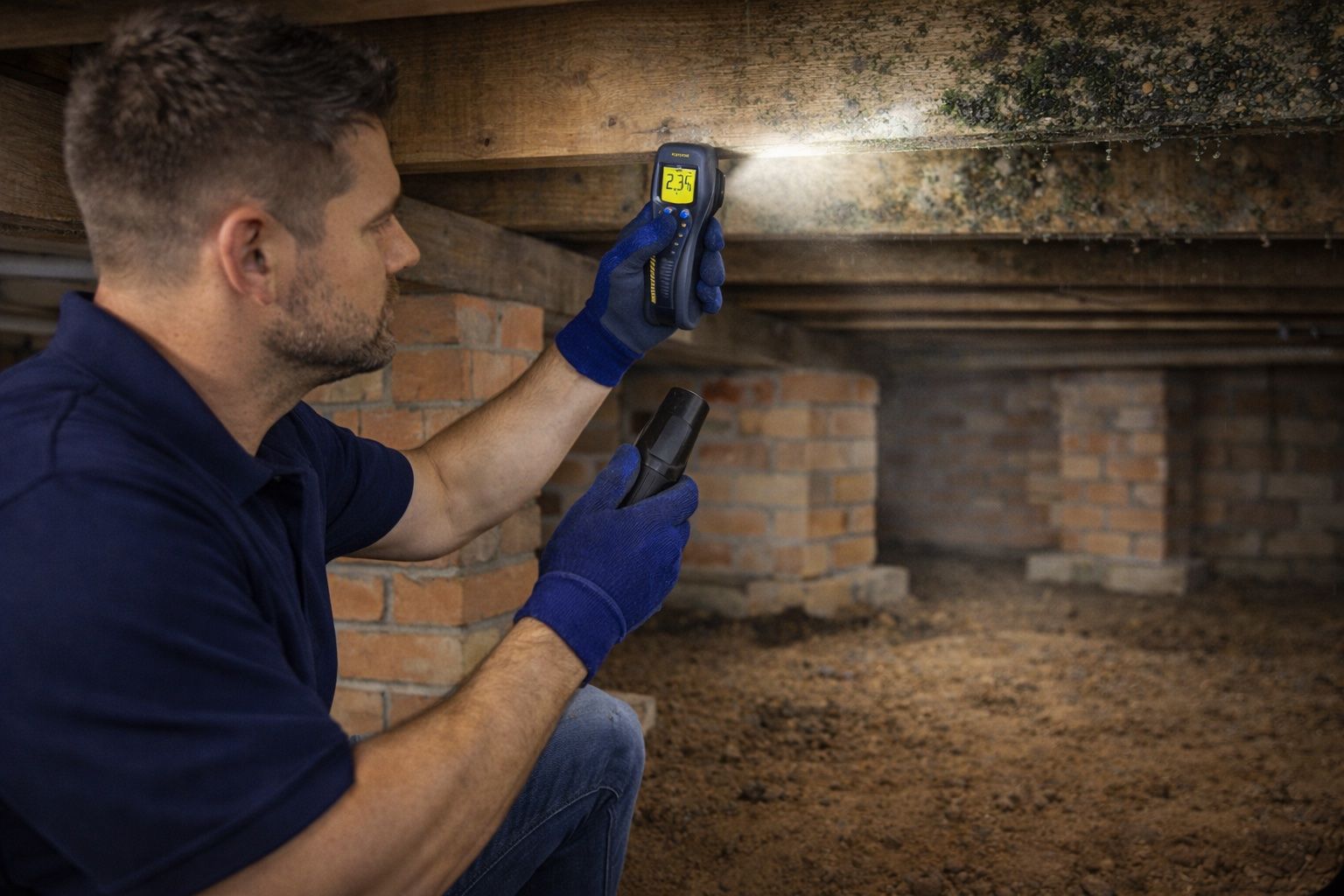
The first and most important step is understanding why mould is forming in the first place. This requires more than a visual check — hidden moisture can exist under floors, inside walls, or in poorly ventilated areas. A proper inspection uses tools like moisture meters and thermal imaging to detect dampness that isn’t immediately visible. Without this step, any mould removal is just guesswork.

๐Ÿ’ง Step 2: Fix the Underlying Cause

Once the source is identified, the focus shifts to eliminating the moisture. This may involve improving subfloor ventilation, addressing airflow issues, or resolving leaks and condensation problems. By removing the conditions that allow mould to grow, you stop the cycle at its source — rather than just treating the symptoms.

๐Ÿงผ Step 3: Safely Remove Existing Mould

After the moisture issue is addressed, the visible mould can be properly treated and removed. This step is done carefully to avoid spreading spores and to ensure affected areas are thoroughly cleaned. When combined with moisture control, this ensures the mould doesn’t simply return.

๐Ÿ›ก๏ธ Step 4: Prevent Future Growth

A complete solution doesn’t just fix the current issue — it helps prevent it from coming back. This includes improving airflow, reducing humidity, and making sure moisture-prone areas are properly managed long-term.

Stop Fixing Mould — Start Solving the Real Problem


Most mould problems don’t come back because they weren’t cleaned properly — they come back because the real cause was never fixed. The surface gets wiped, sprayed, or treated… but the hidden moisture is still there, quietly feeding the problem. So weeks later, it returns — often worse than before.


That’s why a proper, end-to-end approach makes all the difference. Instead of guessing or applying quick fixes, we focus on finding the source, fixing the moisture, and stopping mould at its root. It starts with a free inspection and detailed report, giving you clear answers and a practical plan — so you’re not stuck dealing with the same issue again and again.๏ปฟ

Conclusion: Fix It Once — Fix It Properly

If mould keeps coming back, it’s not a cleaning issue — it’s a moisture problem that hasn’t been solved. Treating the surface might make it look better temporarily, but without addressing the source, the cycle will continue.


The key is to shift your approach: stop focusing on removing mould, and start focusing on why it’s there in the first place. Once the underlying cause is identified and fixed, mould no longer has the conditions it needs to return.


If you’re dealing with recurring mould, the next step is simple — get clarity. A professional mould inspection can reveal what’s really happening behind the scenes and what it will take to fix it properly. That way, you’re not guessing, and more importantly, you’re not dealing with the same problem again a few weeks later.

Recent Posts