Rental Property Mould Subfloor Issues: When to Schedule a Mould Inspection
Why Mould Inspection Matters?
Mould in a rental property is one of the most common disputes between landlords and tenants, and it is also one of the most frequently mishandled. Surface cleaning is treated as the fix, the mould returns within weeks, and the dispute continues. In most cases the problem is not the mould itself but the moisture source feeding it, and in a large number of Sydney rental properties that source is sitting underneath the floor where neither the landlord nor the tenant can see it.
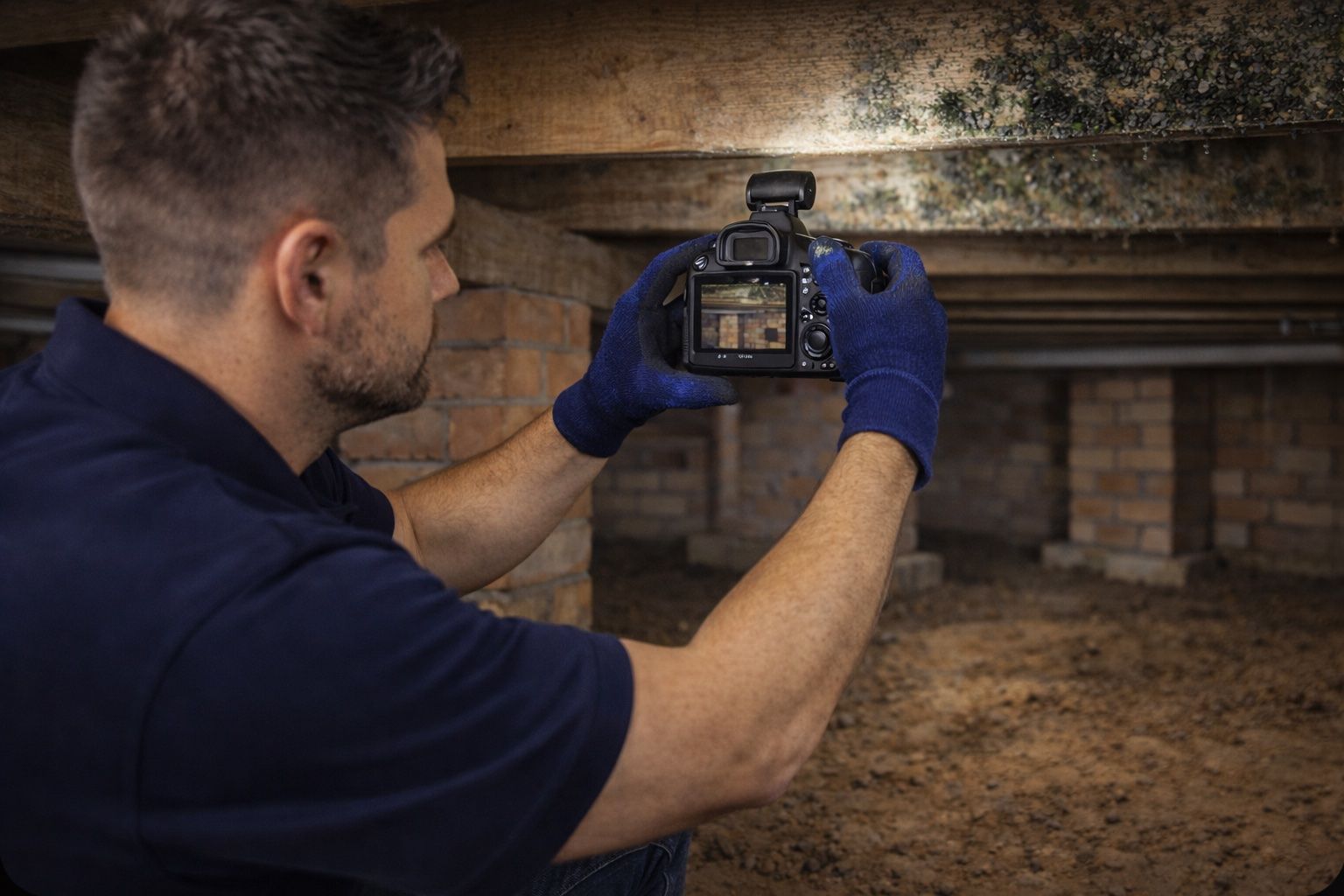
At Rapid Vent Systems, we inspect subfloor conditions across Sydney properties regularly, and subfloor moisture is one of the most commonly missed causes of recurring rental property mould. This guide covers the legal obligations landlords face under NSW law, the signs that point to a subfloor origin rather than a lifestyle cause, and when a professional mould inspection is the right step for protecting both the property and the tenancy.

How Subfloor Moisture Causes Mould in Rental Properties
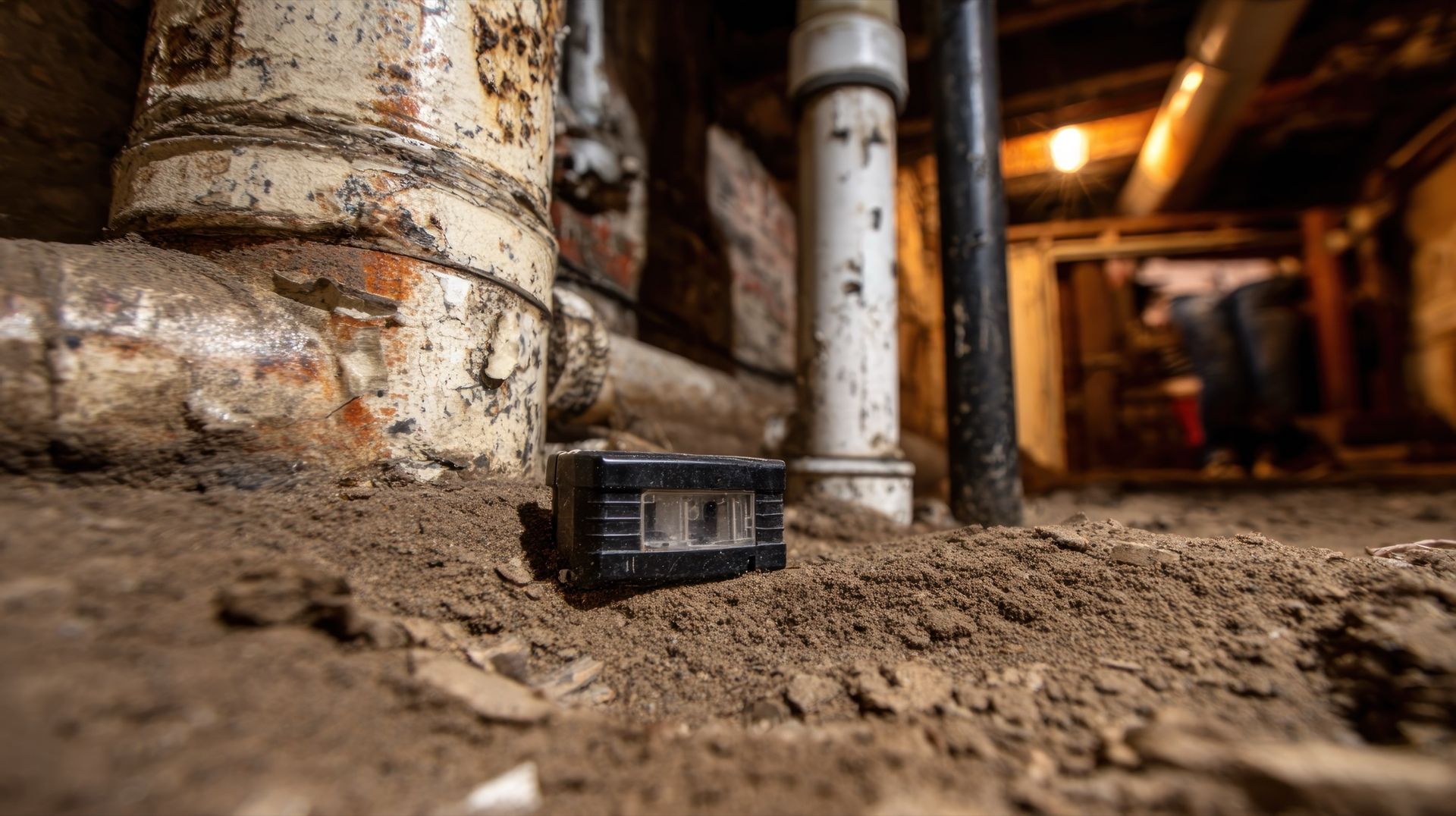
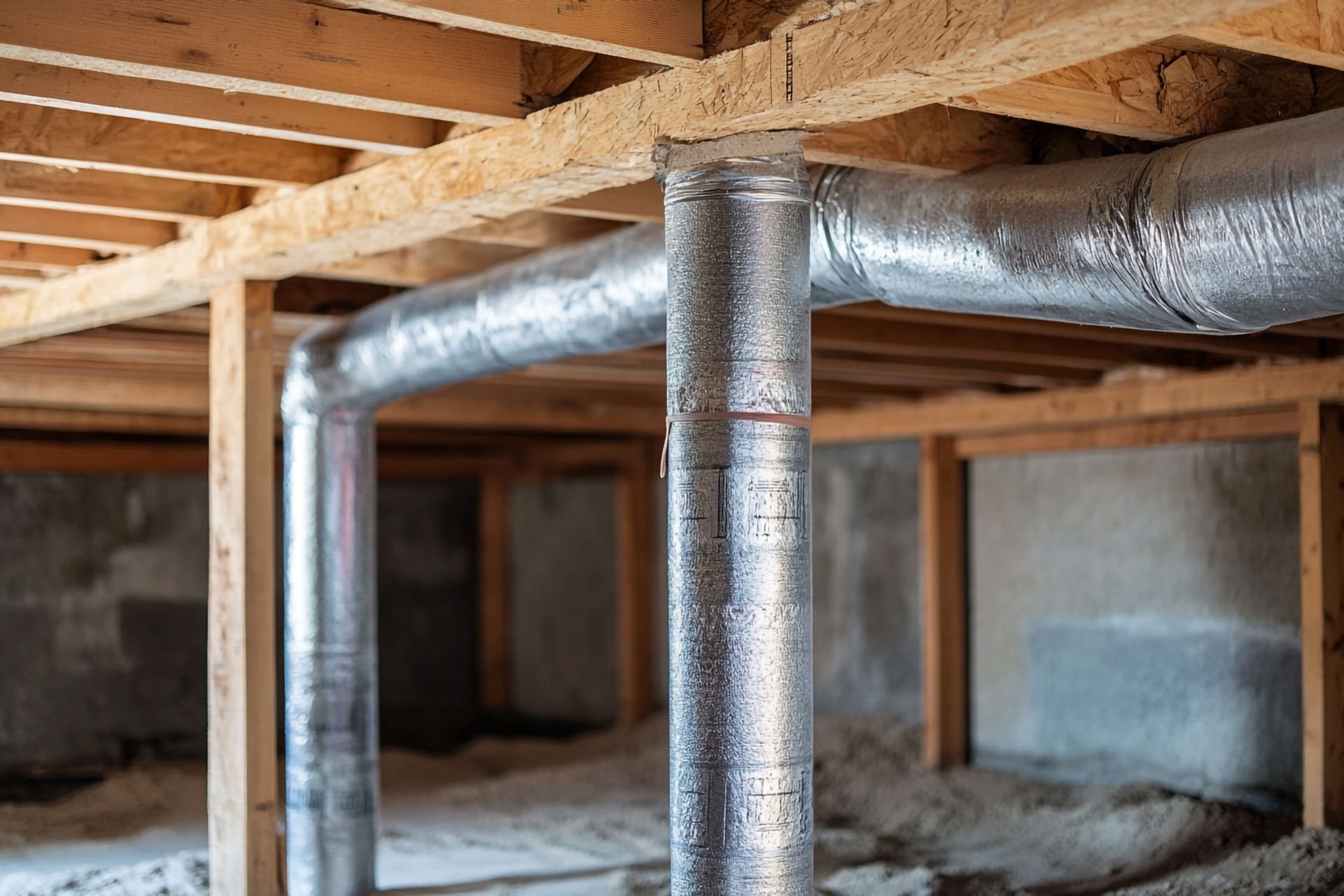
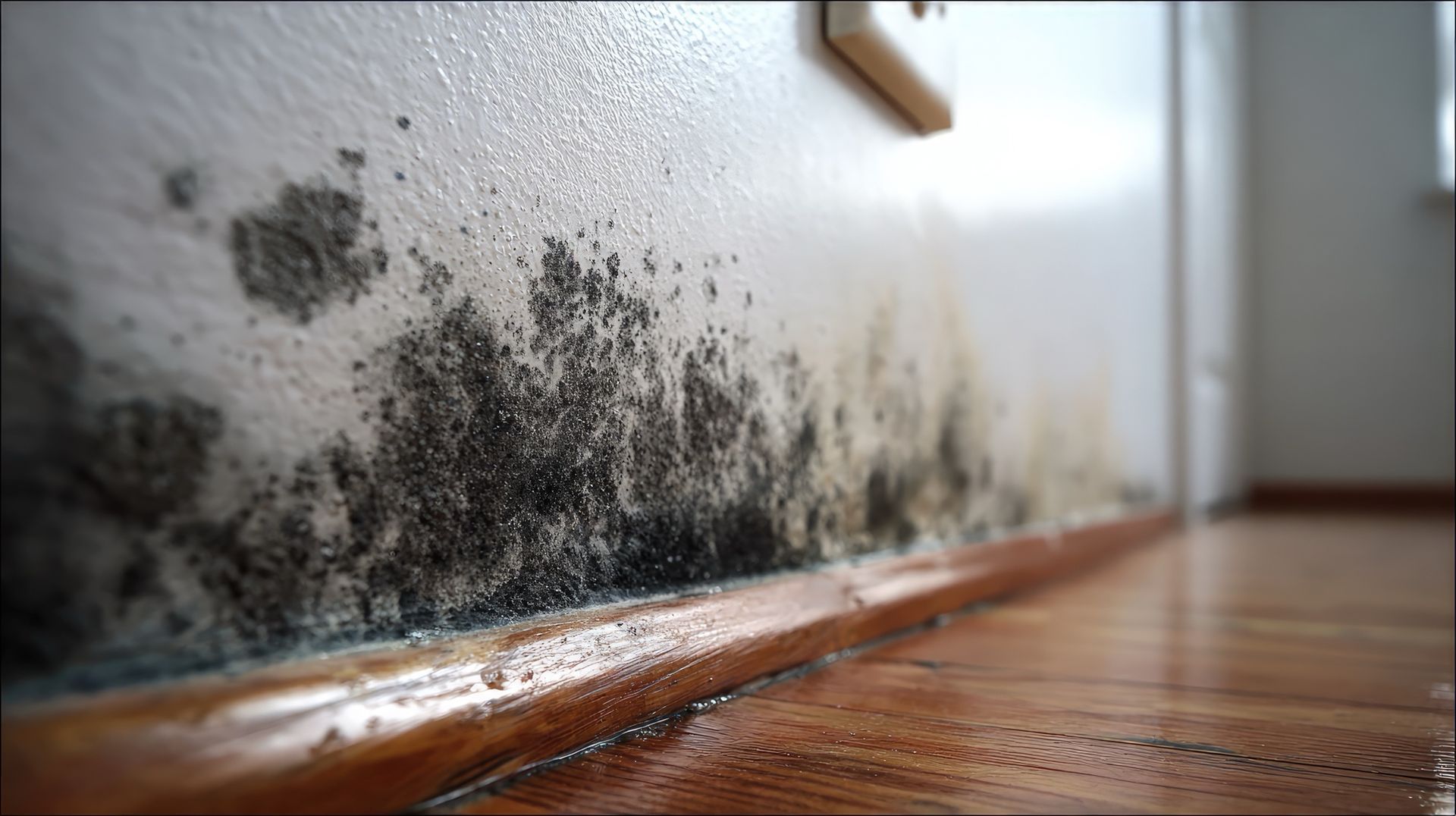
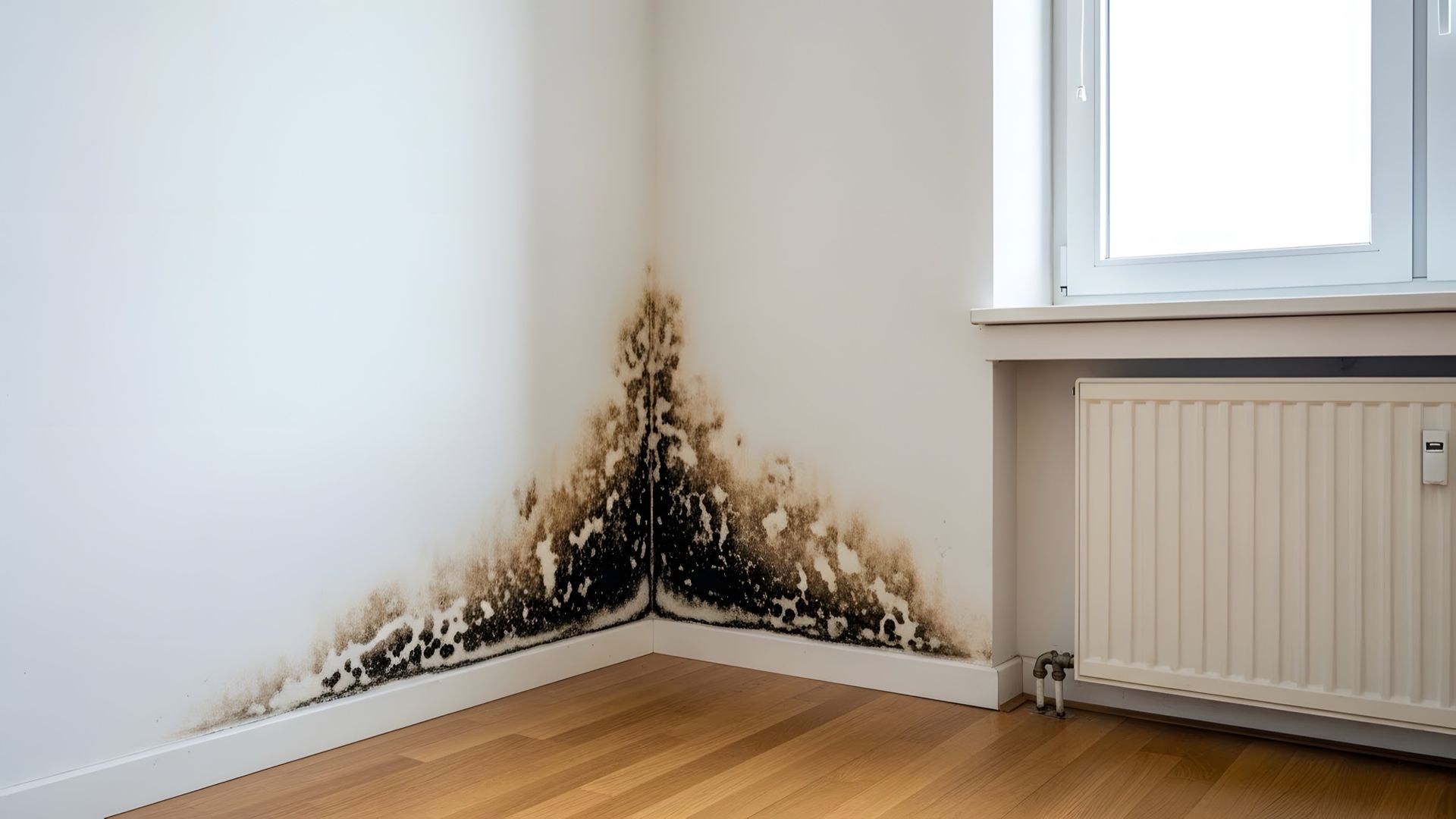
Subfloor moisture is one of the most commonly overlooked causes of persistent mould in rental properties, particularly in ground-floor rooms and homes with suspended timber floors. When moisture builds up beneath the house from wet soil, poor drainage, or restricted airflow through the subfloor cavity, that moisture does not stay below the floor. It rises upward through the timber joists, the floor structure, and the wall framing, creating damp conditions inside the walls and at floor level that produce the mould growth tenants report on skirting boards, lower walls, and in corners near the floor.
The distinguishing characteristic of subfloor-origin mould is its location and its persistence. A standard visual inspection of the living areas will not identify this cause because the source is not in the room. A subfloor moisture inspection that assesses humidity levels, ground moisture, drainage conditions, and airflow beneath the property is the only reliable method for confirming whether the subfloor is contributing to the mould issue.
NSW Law on Mould in Rental Properties — What Landlords Know
Under the Residential Tenancies Act 2010 NSW, landlords must keep a rental property in a reasonable state of repair and fit for habitation throughout the tenancy. If mould developed because the landlord failed to repair a defective element or the property did not have adequate ventilation, the landlord is responsible and must fix the problem. This applies whether the mould is visible on walls, ceilings, or skirting boards and whether the property was in this condition at the start of the tenancy or developed during it as a result of a building defect.
Under the Residential Tenancies Regulation 2019, NSW rental properties must meet minimum ventilation standards. Bathrooms must have an exhaust fan vented outside or an openable window, while kitchens must have ventilation through a window or exhaust fan. NSW Fair Trading treats mould as a building repair issue, not a cleaning issue, and a surface clean that fails within weeks does not satisfy the repair obligation.

Signs the Mould in Your Property Is Coming From the Subfloor
Identifying the origin of rental property mould before booking any treatment is the most important step in resolving it permanently rather than temporarily. Subfloor-origin mould presents with a specific pattern that differs from mould caused by poor tenant ventilation or internal plumbing leaks, and recognising that pattern tells landlords and property managers which type of investigation is needed.
Signs the mould in a rental property may be coming from the subfloor include:
- Mould appearing at or below skirting board height across multiple ground-floor rooms
- A musty smell that persists even when the property is aired regularly and rooms appear dry
- Damp or cold floors in ground-floor rooms that feel soft, spongy, or uneven underfoot
- Mould returning within two to four weeks of professional surface treatment
- Condensation on lower walls or near floor level in rooms without obvious water sources
- Visible damp patches on ground-floor walls that do not correspond to any internal plumbing
When these signs are present, a free mould inspection that assesses both the living areas and the subfloor conditions is the appropriate next step rather than proceeding directly to surface treatment that will not address the source.
When to Schedule a Mould Inspection
The right time to schedule a professional mould inspection for a rental property is earlier than most landlords and property managers typically act. Waiting until mould is widespread, until a tenant has made a formal complaint, or until an NCAT dispute is already underway all represent situations where earlier action would have produced a better outcome at lower cost.
A mould inspection should be scheduled at the first written report from a tenant about mould or persistent musty odours, because if a tenant reports mould during the tenancy, the agent must notify the landlord and investigate the matter without delay. For landlords with multiple rental properties, scheduling inspections for at-risk homes is more cost-effective than waiting for tenant complaints after mould has spread. Our subfloor moisture inspection assesses humidity, ground moisture, drainage, and airflow to identify the source of moisture before recommending any treatment or ventilation solutions.
What a Professional Mould Inspection Report Covers for Rental Properties
A professional mould inspection report does more than confirm that mould is present. It identifies the moisture source, documents the extent and location of the growth, and provides a written record of findings that has practical value for both landlords and property managers managing tenancy obligations.
For landlords, the inspection report establishes whether the mould is a building issue or a lifestyle issue, which determines who is responsible for remediation under the Residential Tenancies Act. A professional inspection report protects the property owner by documenting exactly what caused the mould and what was done to fix it. Our expert mould treatment service follows every inspection with a detailed written report covering the cause, the affected areas, the treatment applied, and the preventive recommendations, giving all parties a clear and documented record of the work completed.
Book a Free Mould Inspection for Your Rental Property
If your rental property has recurring mould, persistent musty odours, or a tenant report that has not been fully resolved, the right next step is a professional inspection that identifies the moisture source before any further treatment is arranged.
Rapid Vent Systems provides free mould and subfloor inspections across Sydney with no call-out fees, no obligation, and a written report following every inspection. Contact us today to book your free inspection.