Passive or Mechanical Subfloor Ventilation: Which Does Your Sydney Home Actually Need?
When it comes down to one question, does your home get enough natural airflow on its own, or does it need powered help to move damp air out? The answer depends on passive vs. mechanical subfloor ventilation. Passive systems use vents and natural air pressure, while mechanical systems use inline fans to actively pull moisture-laden air from beneath the house.
For most homeowners, the right answer depends on soil type, subfloor layout, and how much natural airflow the property already gets, which is exactly what
Rapid
Vent Systems assesses during every subfloor moisture inspection before recommending either option.

How Passive Subfloor Ventilation Works (and When It's Enough)
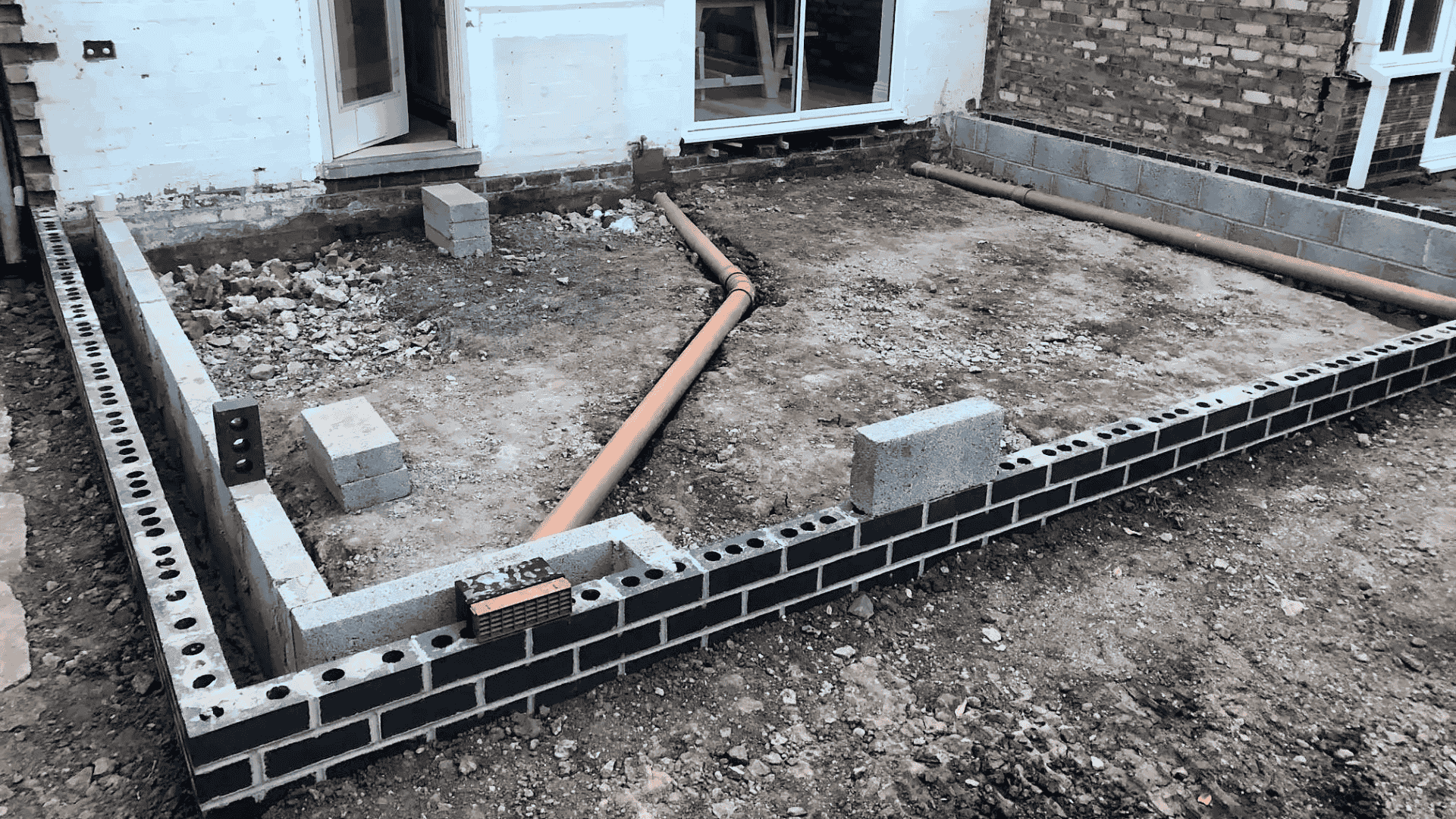
Passive ventilation relies on vents or air bricks placed around the base of the house. As wind and temperature shift outside, air naturally moves in through one side and out the other, carrying some of the trapped moisture with it as part of normal cross-ventilation. There's no power cost, nothing to maintain beyond keeping vents clear of debris, and for homes with good ground clearance and open surroundings, it can genuinely keep a subfloor dry.
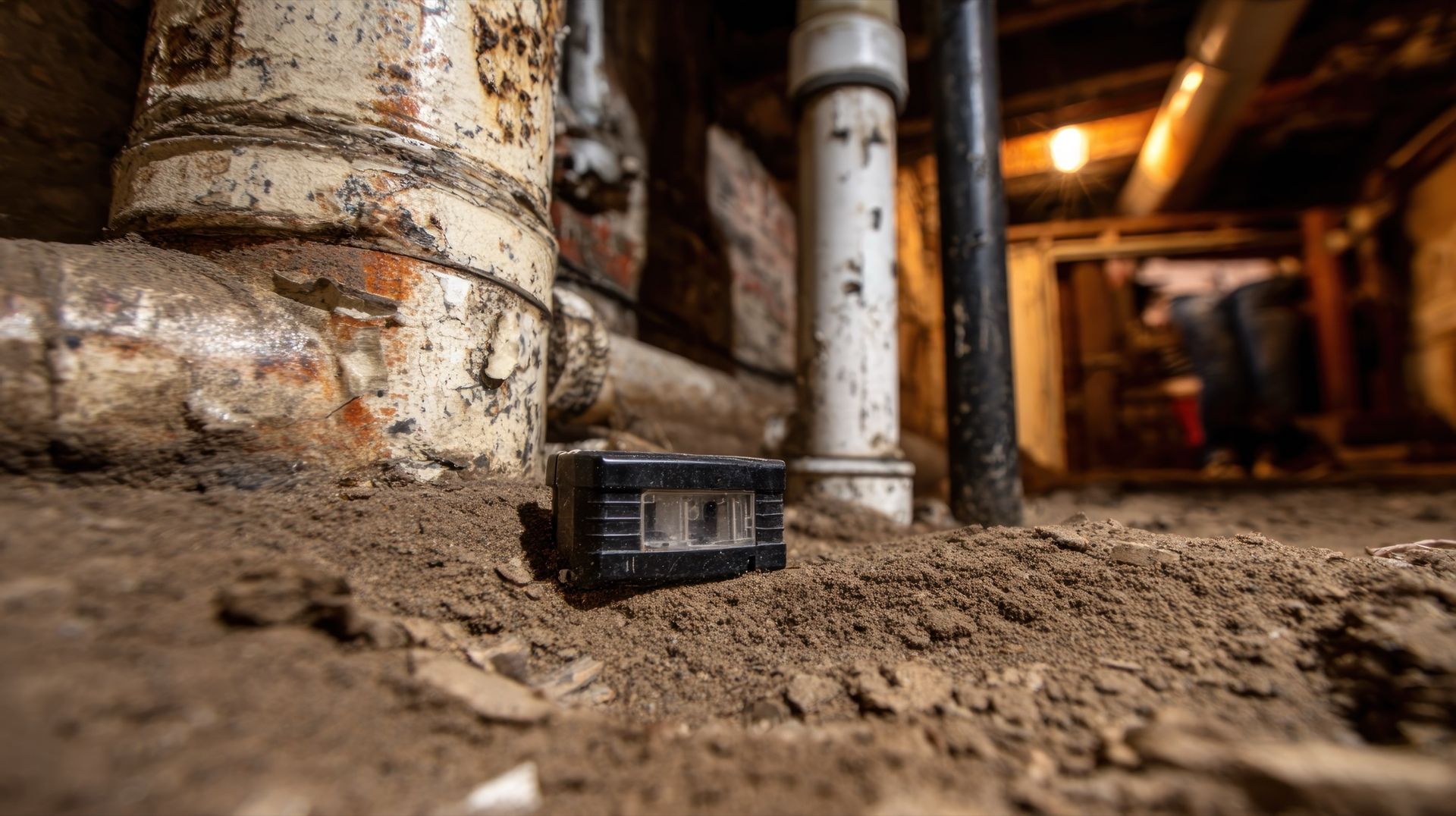
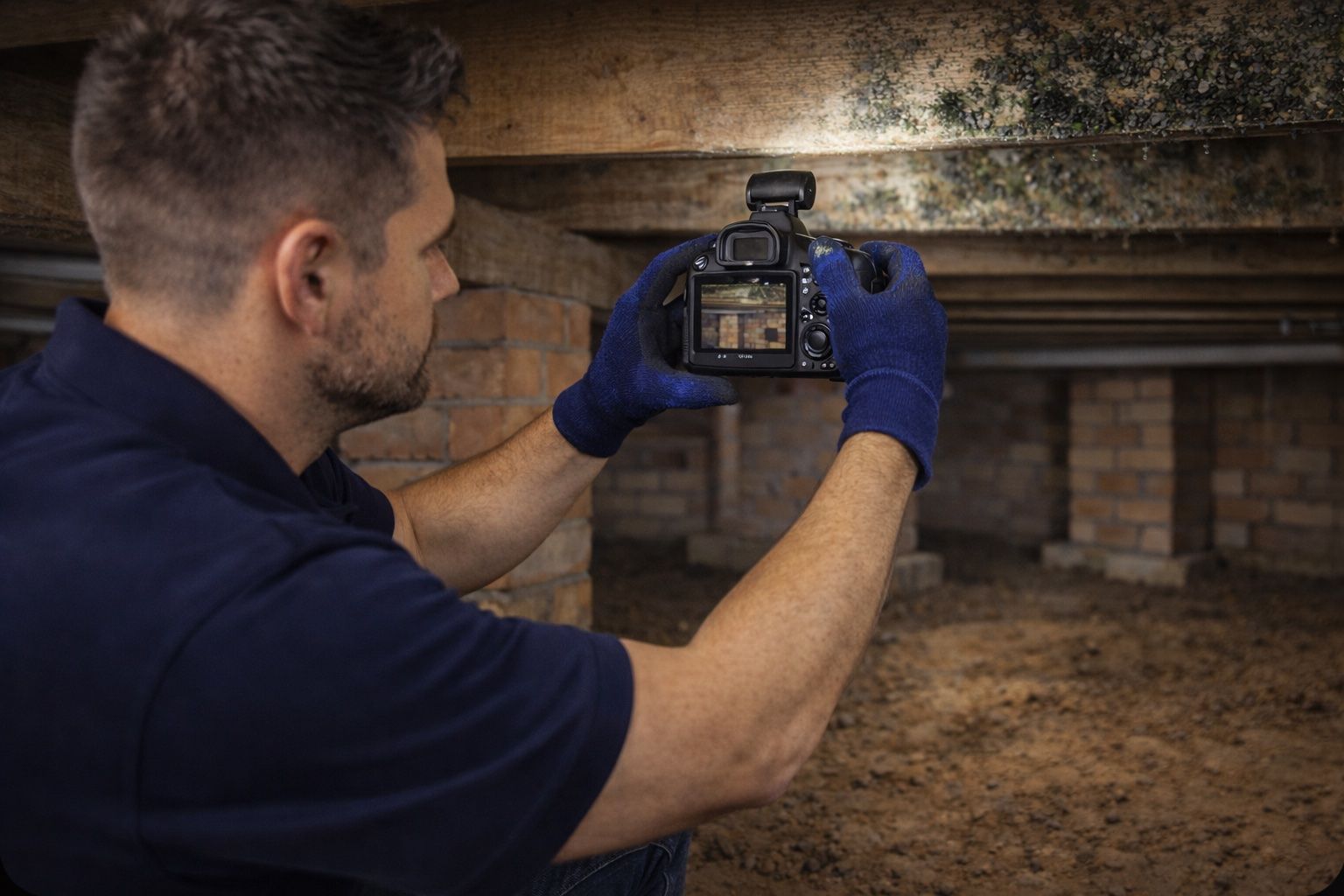
The catch is that passive systems only work when conditions cooperate. Fencing, extensions, garden beds built up against vents, or closely packed neighbouring homes can all block the airflow this system depends on. Once that happens, air stops moving, and moisture simply sits there, which is exactly the kind of enclosed, stagnant subfloor that starts to develop musty odours, timber decay, or eventually termite activity if it goes unaddressed.
When Passive Airflow Isn't Enough: Mechanical Ventilation Explained
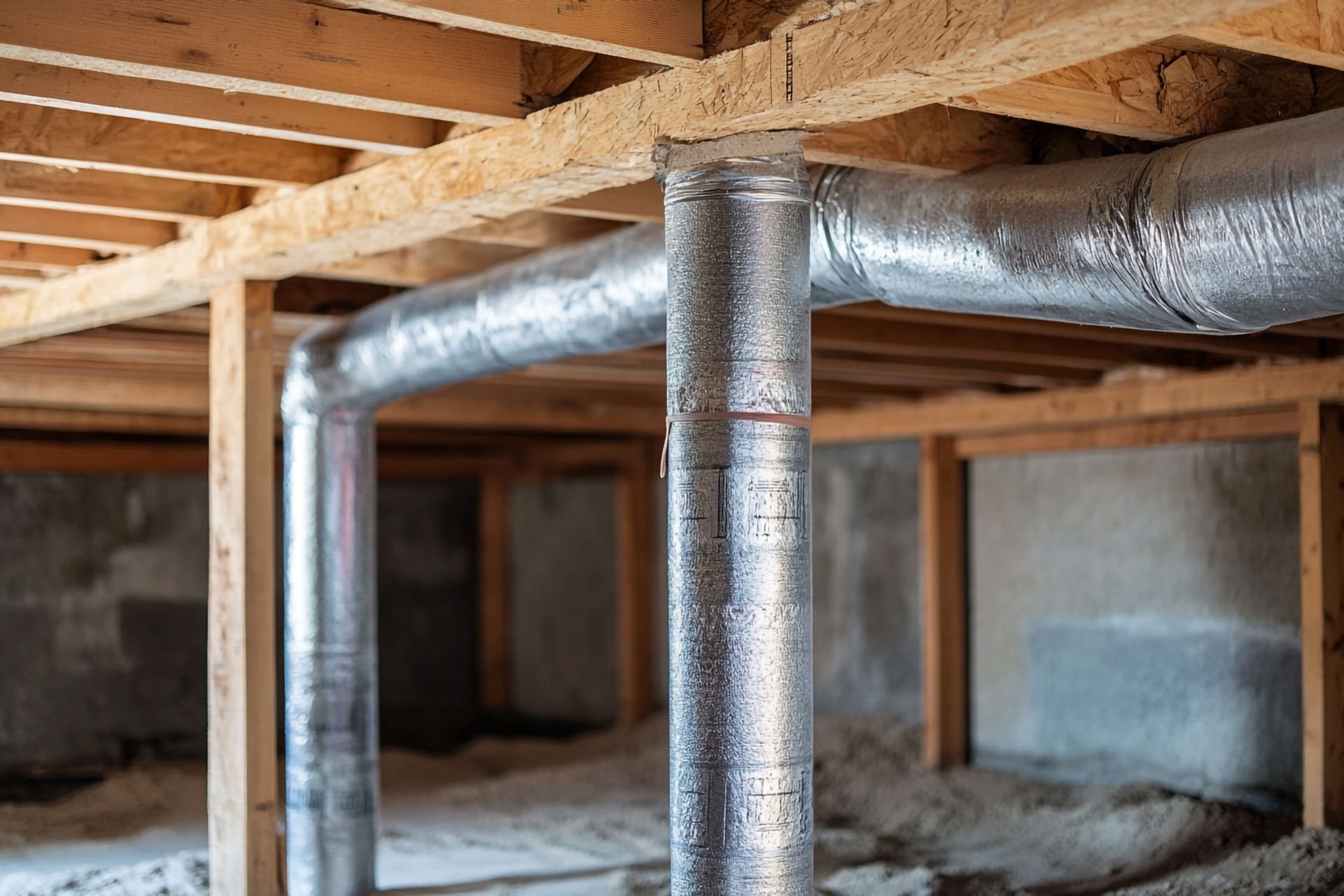
A mechanical system uses one or more inline fans to actively draw stale, moist air out of the subfloor and replace it with drier air from outside, regardless of wind, weather, or how tightly packed the surrounding block is. This consistency is why mechanical ventilation is usually the go-to for homes with persistent dampness, limited crawl space, or ground conditions that hold moisture year-round.
Sydney's clay-heavy soils play a big role in this. Clay retains water far longer than sandy soil, so subfloors sitting on clay tend to stay damp long after rain has passed. Combine that with coastal humidity in suburbs closer to the water, and passive airflow alone often can't keep pace with how much moisture the ground is releasing, no matter how many extra vents get added.

So, Which System Is Right for Your Home?
There's no universal answer, which is why an inspection matters more than guessing. As a general guide:
- Passive suits homes with open surroundings, moderate humidity, and a subfloor that already shows minimal signs of dampness.
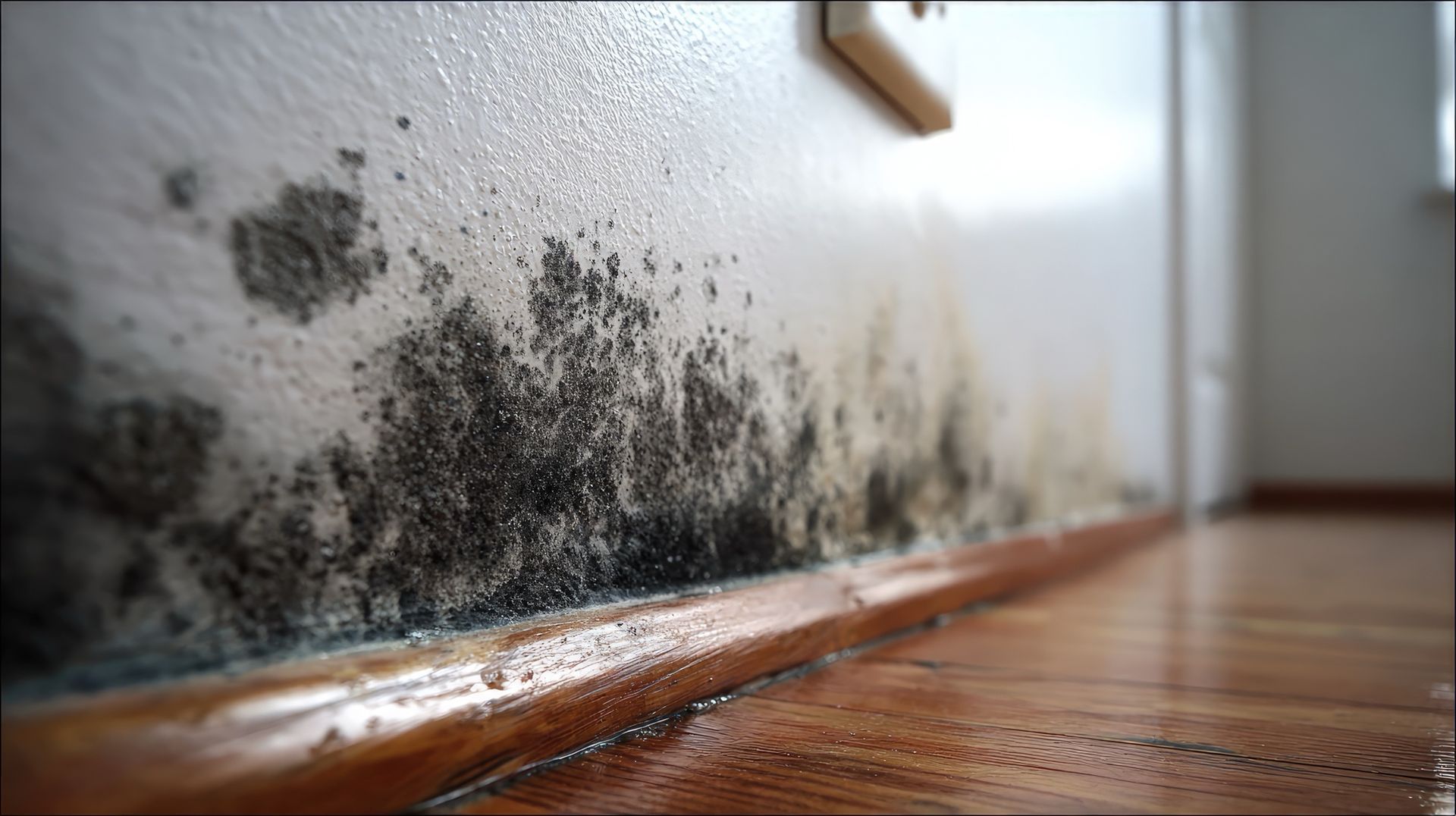
- Mechanical suits homes with recurring musty smells, visible mould on skirting boards, clay-based soil, limited natural airflow, or a subfloor that's been extended or built over in a way that blocks existing vents.
- A hybrid setup, with mechanical fans supporting existing passive vents, is common where part of the subfloor gets airflow and another section doesn't.
Cost is often the deciding factor for homeowners weighing the two, and we cover it in detail in our
subfloor ventilation cost guide. Passive setups sit at the lower end, while mechanical systems cost more upfront but tend to resolve damp issues that passive vents alone can't touch.
The Real Cost of Getting This Wrong
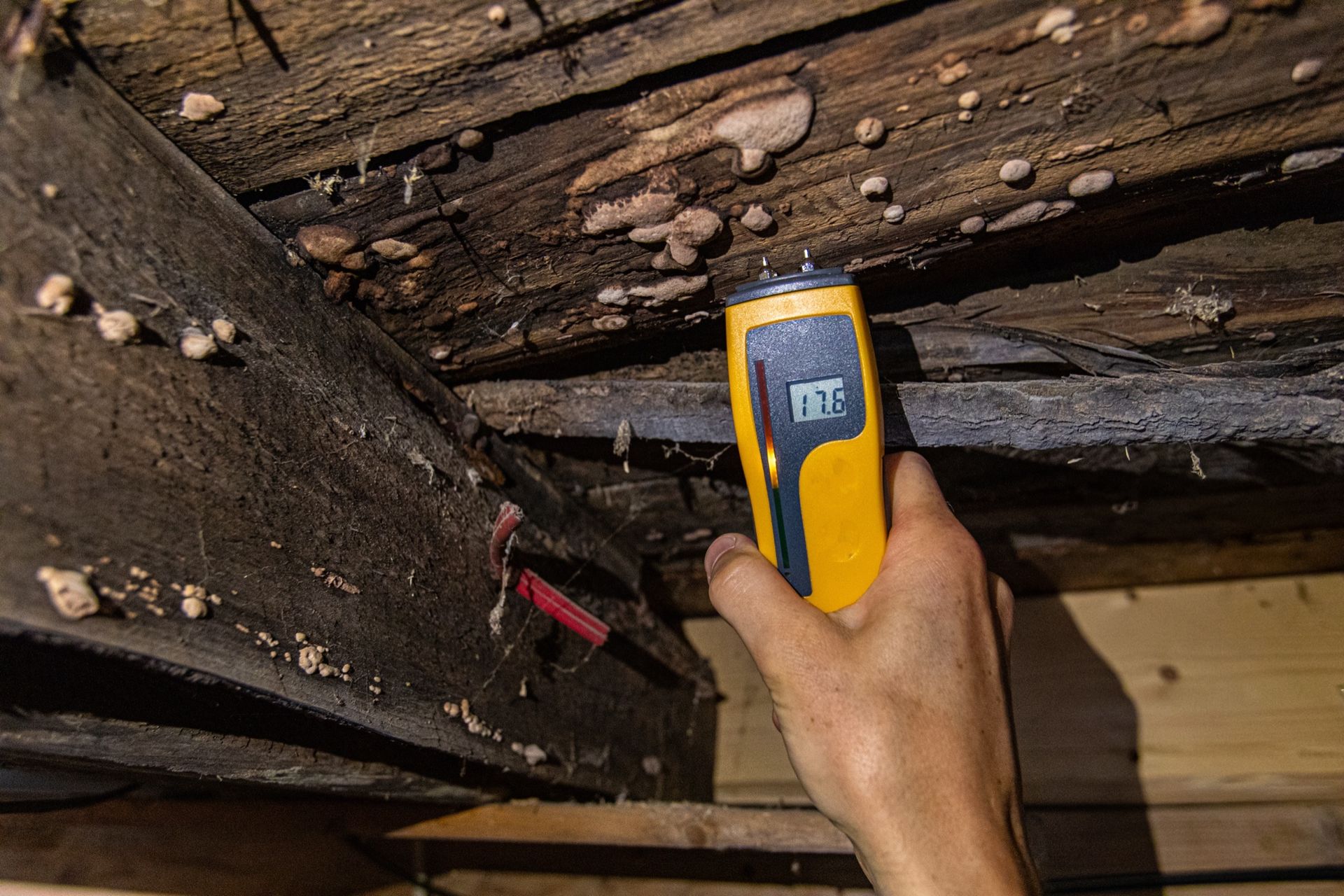
Installing the wrong type of system doesn't just waste money; it can leave the actual moisture problem untouched while looking "fixed" on the surface. A home with clay soil and blocked airflow won't improve much from a few extra passive vents, and that ongoing dampness is what eventually leads to warped flooring, mould growth, or structural timber damage nobody notices until it's expensive to fix. Equally, a mechanical fan isn't always necessary for a subfloor that's already dry and well-ventilated, so it's not a case of "more powerful always wins."
That's why every recommendation from Rapid Vent Systems starts with a proper
subfloor moisture inspection, checking humidity levels, airflow paths, and ground conditions before suggesting a system. From there, our team can walk you through
passive and mechanical subfloor ventilation options suited to your specific subfloor, and handle the installation once the right option is confirmed.
Still Not Sure? Book a Free Subfloor Inspection
When it comes to passive vs mechanical subfloor ventilation, the honest answer is that your home's soil, layout, and existing airflow decide; it's not a one-size-fits-all rule. Getting it right the first time saves money and stops damp from creeping back six months later. If you're unsure which system your home actually needs, Rapid Vent Systems can assess it properly before recommending anything.
Don't guess which system your home needs; get a free, no-obligation subfloor inspection from us today.
Call 0420 453 095 and find out exactly what's causing the damp before it gets worse.
Frequently Asked Questions
Can I install passive vents myself instead of paying for an inspection?
You can, but without knowing your subfloor's actual moisture levels, you can't know whether passive vents alone will solve the problem.
Does a mechanical system need much maintenance?
It needs only occasional checks to make sure the fan and ducting aren't blocked or damaged, and running costs stay low since the fan only runs a few hours a day.
Can a home switch from passive to mechanical later if needed?
Yes, you can add mechanical fans to support existing passive vents without replacing the whole system.