
Winter Mould in Sydney Homes: Causes, Signs and How to Prevent It

Rapid Vent Systems • November 1, 2026

Share this article

Winter mould in Sydney homes usually starts with trapped moisture, not a leak. When we keep the windows shut to hold the warmth in, damp air has nowhere to go. It settles on cold walls, windows and floors, and mould follows.


Many people wipe the mould away, only to see it come back a few weeks later. That's because the mould you can see is a symptom. The real fix is finding where the moisture comes from and dealing with it. At Rapid Vent Systems, we help Sydney homeowners track down hidden moisture, including problems under the house, and choose a sensible fix.

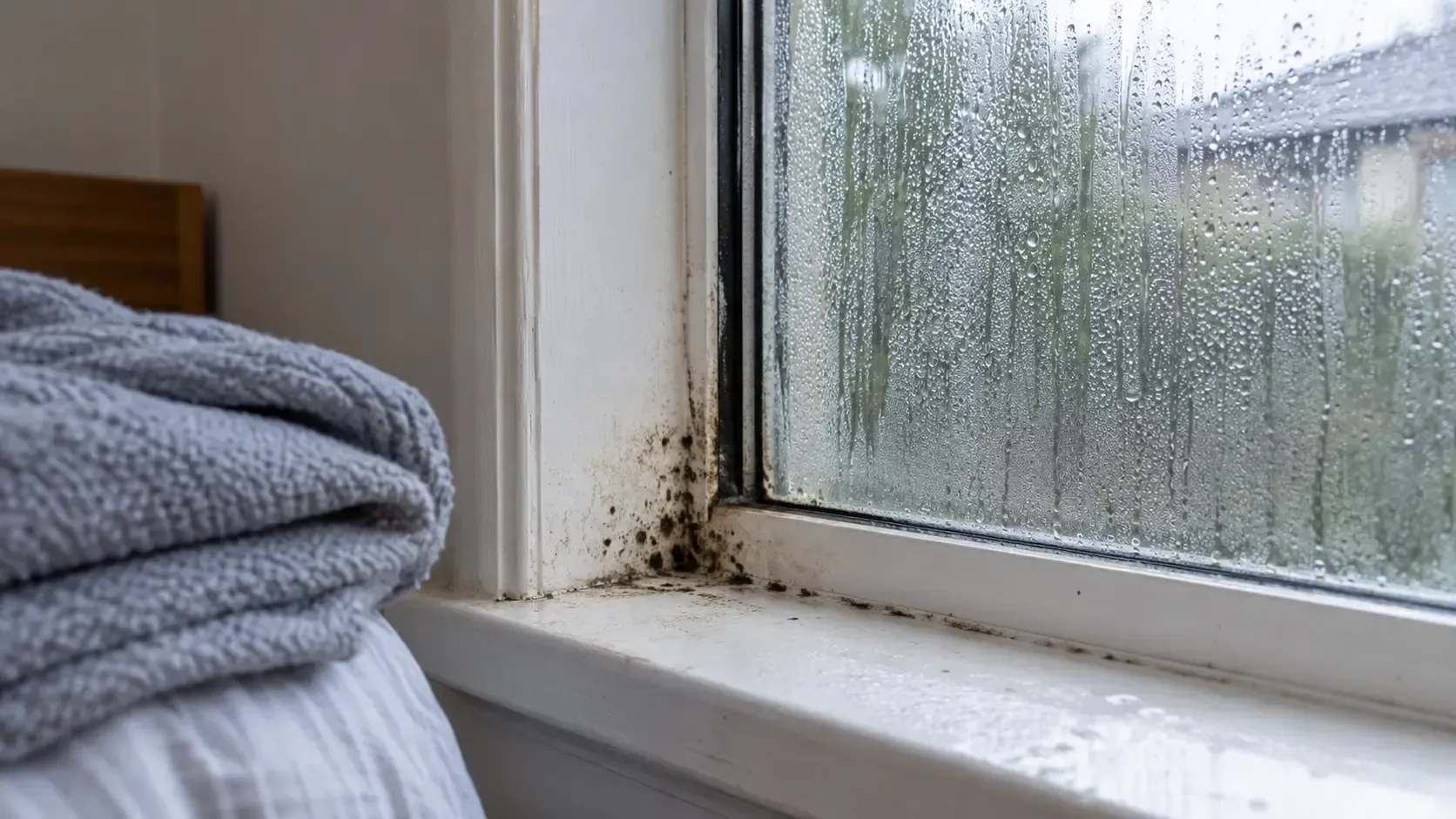
Condensation on a bedroom window with mould spots in the frame corner on a cold winter morning in a Sydney home

Why Does Mould Grow in Sydney Homes in Winter?


Mould needs three things: moisture, oxygen and a surface to grow on. In winter, we close up our homes to keep warm, so moisture stays trapped for longer.


Condensation is a big part of it. It happens when warm, humid air meets a cooler surface like a window, an outside wall or a floor. If those surfaces stay damp, mould can start to grow. The Australian Government says condensation happens when humid air contacts a cooler surface, and ongoing condensation can cause damp, mould, and material damage.


A damp house in winter is common in Sydney because of:

  • Higher indoor humidity: cooking, showering and drying clothes indoors all add moisture to the air.
  • Limited airflow: closed windows stop damp air from escaping.
  • Older building designs: older homes can have less airflow under the floor, so damp air stays trapped below.

Common Signs of Winter Mould in Sydney Homes

Winter mould shows up where moisture collects or air can't move. Some signs are easy to spot. Others build slowly.


Mould Around Windows and Cold Walls

Condensation often forms on windows on cold mornings. If those surfaces stay damp, mould can start to grow around window frames, corners and the walls nearby.


Musty Odours Through the Home

If your house smells musty in winter, damp air is often trapped in rooms, wall cavities or under the floor. The smell can get stronger after the home has been shut up overnight.


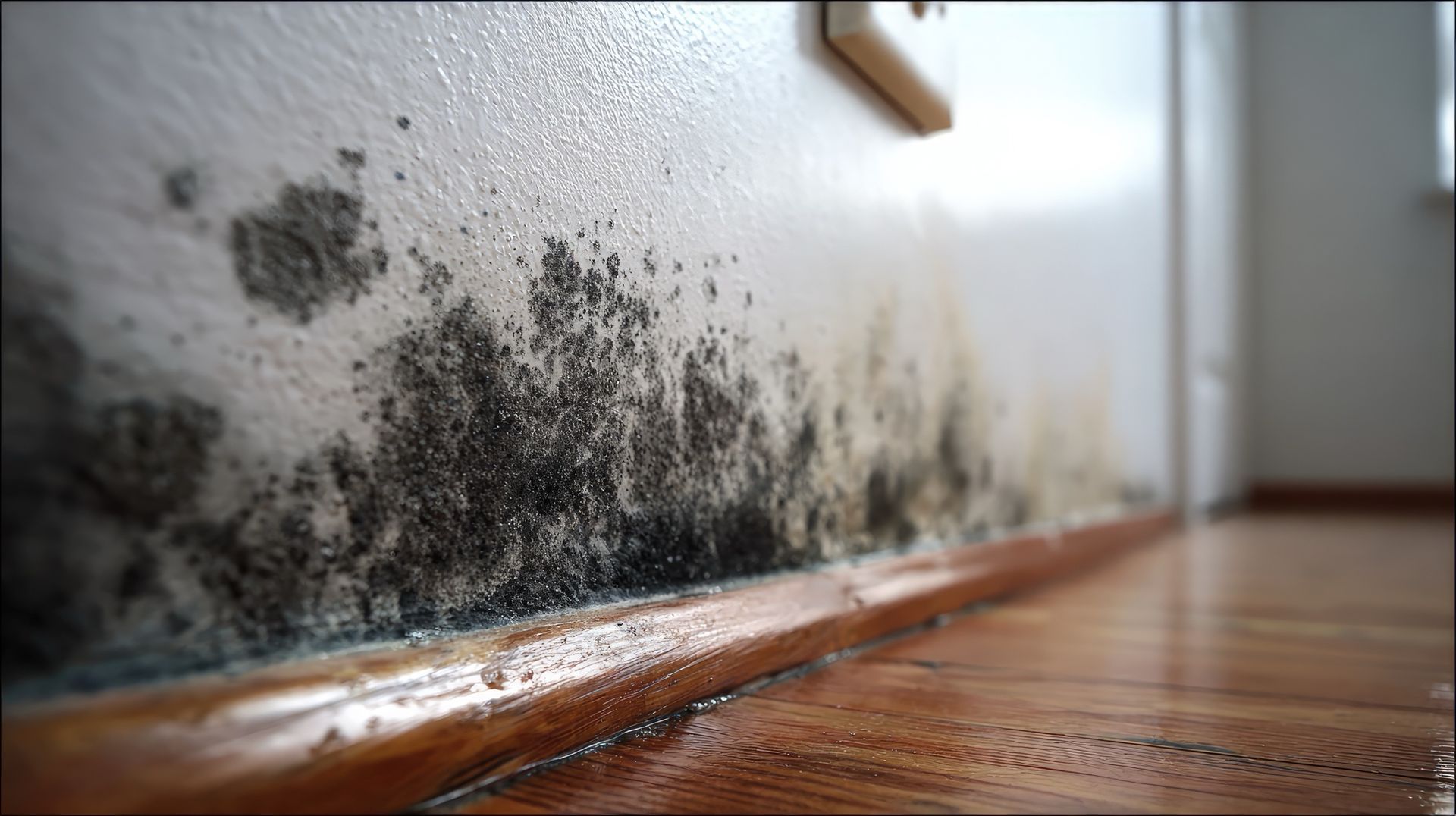
Mould Near Skirting Boards and Floors

Mould near floor level can point to moisture under the home. If airflow under the house is poor, damp air can move up into the rooms.


Damp or Cold Floors

Cold floors are normal in winter. Floors that feel damp are different, and can point to moisture below. If it stays high, it can damage timber floors and the structure that supports them.

How Condensation Causes Mould In Winter

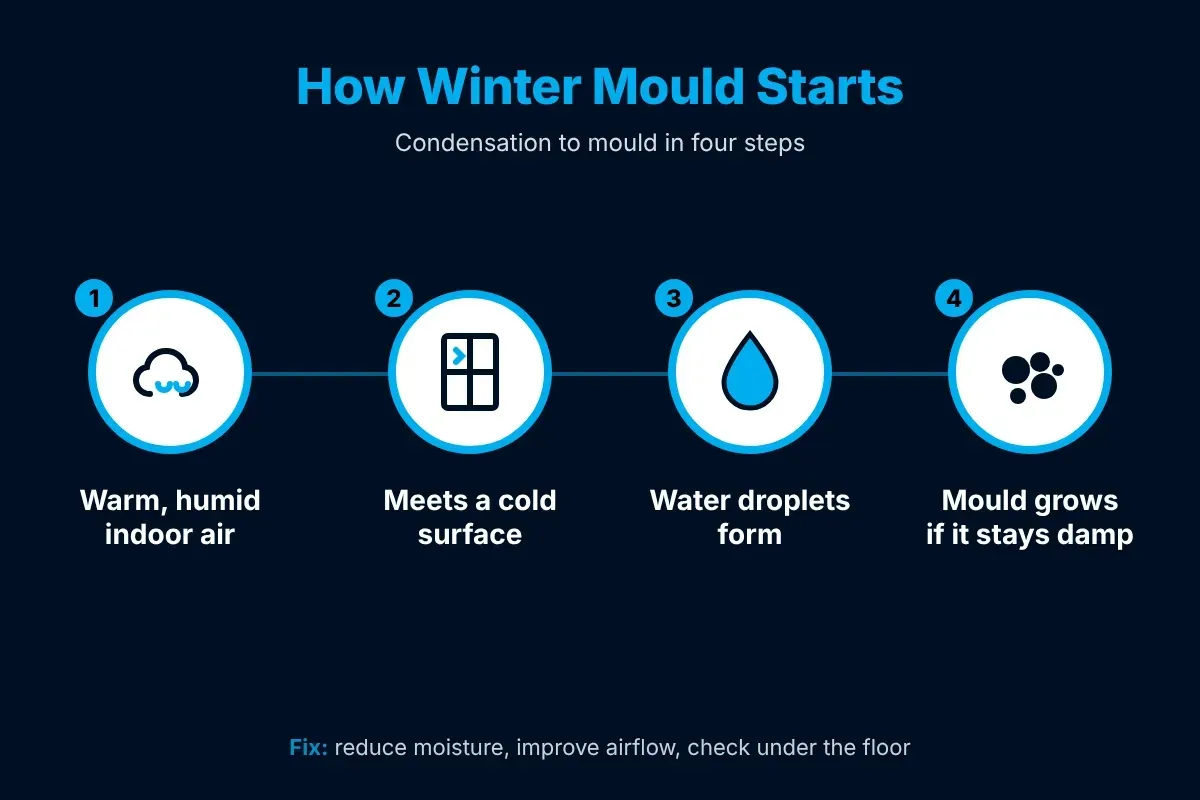
Condensation is one of the biggest causes of winter mould, and the process is simple:


  1. Warm indoor air carries moisture.
  2. That air touches a cold surface.
  3. The moisture turns into water droplets.
  4. If the surface doesn't dry, mould can start to grow.
Four-step infographic showing how warm humid air meets a cold surface, forms water droplets and leads to mould in winter

How to Prevent Mould in Winter Before It Spreads


Simple habits can cut down on moisture problems, but the best prevention is controlling the main source of moisture.


Improve Daily Ventilation


Use bathroom exhaust fans during and after showers. Let air move in when the weather is good, especially after activities that make the air wet.


Control Indoor Humidity


Avoid drying large amounts of wet clothing indoors without ventilation. Use suitable heating and airflow methods to reduce moisture accumulation.


Check Hidden Moisture Areas


Inspect areas that are commonly overlooked:


  • Behind furniture

  • Under sinks

  • Around skirting boards

  • Under flooring areas

  • Beneath the home

Maintain Subfloor Airflow


Surface cleaning won't solve recurring mould caused by poor airflow under a property's floor.

DIY Checks vs Professional Moisture Assessment


Homeowners can identify early warning signs, but DIY checks have limitations.

Home checks Professional assessment
What it covers Visible mould spots Hidden moisture conditions
Smells Notice a musty smell Find the likely moisture source
Cleaning Clean small surface areas Check airflow and subfloor conditions

Cleaning areas of mould may help with minor surface issues. If mould keeps coming back, or if there is a strong musty smell, or if the floor feels damp, that could mean a deeper moisture problem.


The NSW Government says homeowners should act early when they see mould. It's important to look into moisture causes like damp conditions, rather than just cleaning up what you can see. Fixing the source can stop mould from returning.

When to Book a Moisture Inspection

An inspection can help when:


  • Mould comes back after cleaning
  • A musty smell lasts all winter
  • Damp areas show up near floors
  • Timber floors look or feel affected
  • You can't tell where the moisture is coming from


Finding the source early can stop a small moisture issue turning into a bigger repair. If mould is already established, we can also help with mould removal in Sydney, and we fix the moisture behind it so it's less likely to return.

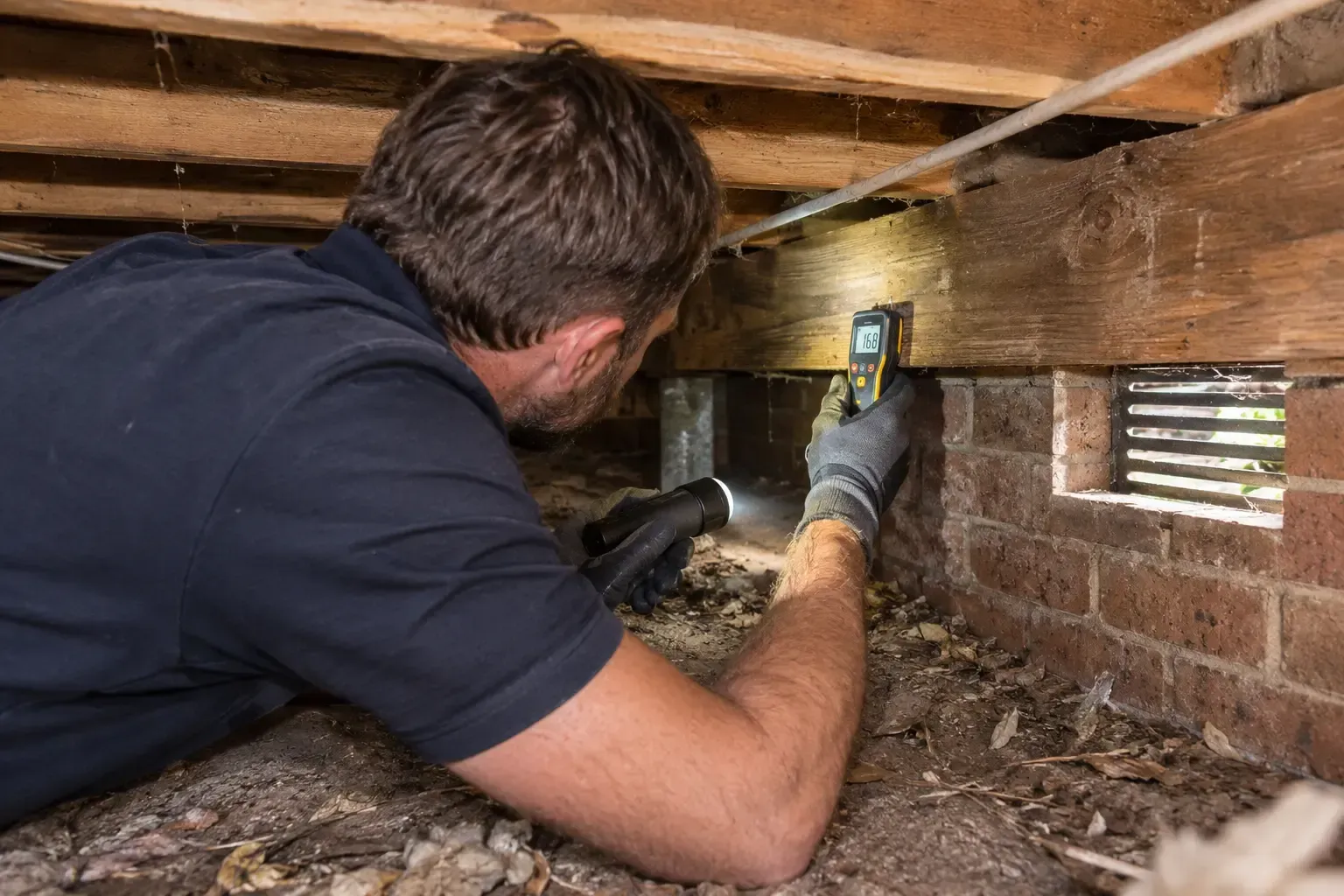
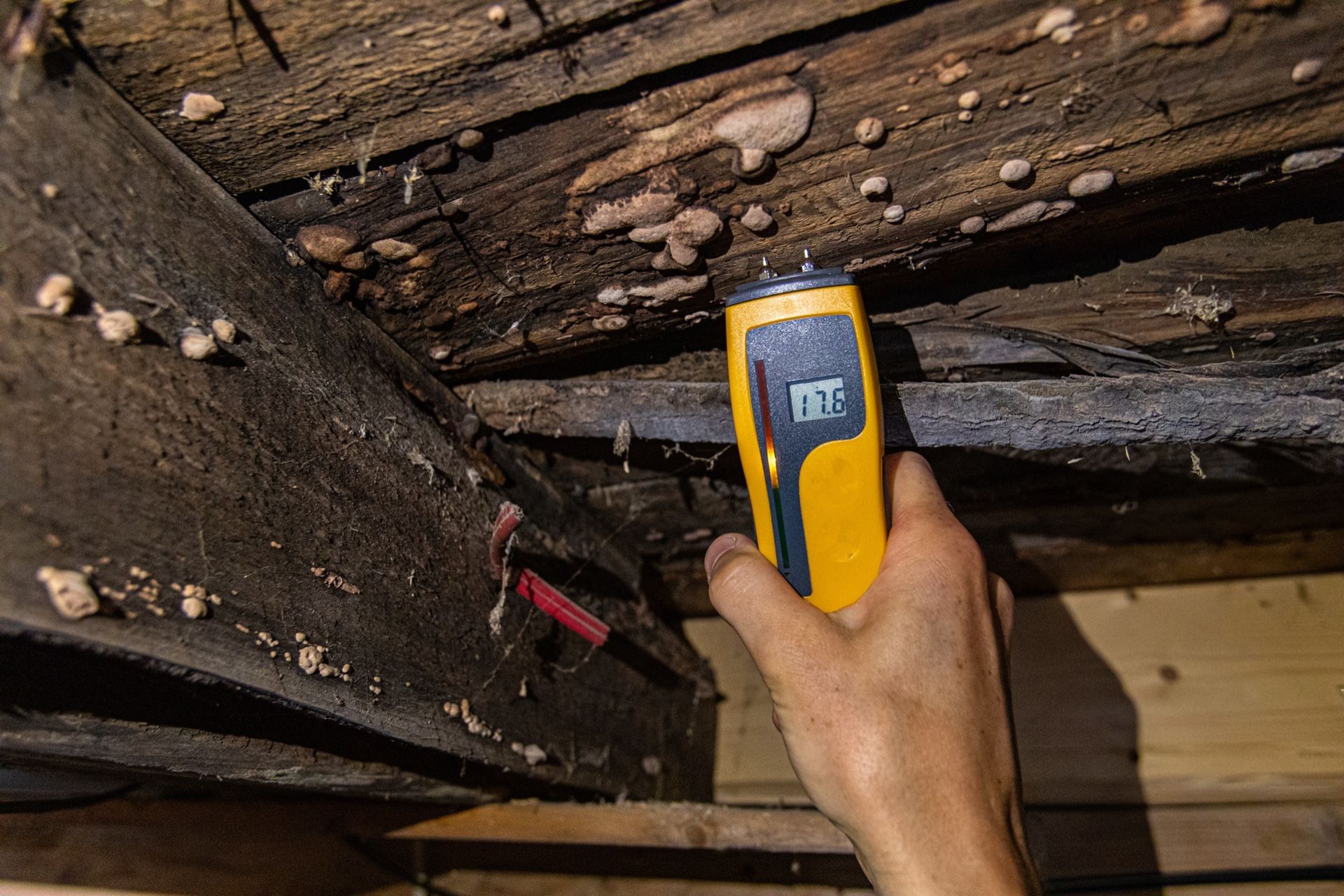
Technician using a moisture meter and torch to inspect the subfloor timber and vents under a Sydney home

Book a Free Winter Mould Inspection in Sydney


At Rapid Vent Systems, we help Sydney homeowners identify hidden moisture problems that contribute to recurring mould. Our process begins with what’s happening beneath your home. We want to understand the condition before suggesting any ventilation or moisture control solution.


We check airflow, moisture levels, and possible causes. This helps us give homeowners advice that actually works for their home. The goal is to offer solutions based on what we find.


Our team provides support for:


If your home has winter mould issues, musty smells, or damp conditions, contact Rapid Vent Systems today.


Serving Sydney homeowners across the region.


Call: 0420-453-095

Frequently Asked Questions


  • Does heating a house in winter stop mould growth?

    Not on its own. Heating can reduce condensation on some walls, but it doesn't remove moisture already in the air or under the house. You also need good airflow and moisture control.

  • Why does mould appear on lower walls during winter?

    Moisture can reach lower walls from the floor, wall cavities, condensation or damp conditions under the home. An inspection shows which one applies to your house.

  • Can a musty smell mean there is mould under my house?

    Yes. A musty smell points to moisture, mould or poor airflow in a hidden area. Checking under the home shows whether the subfloor is part of the problem.

  • How can I tell if my home has a subfloor moisture problem?

    Look for mould that keeps coming back, musty smells, damp floors and high indoor humidity. Moisture readings under the floor confirm whether the subfloor is the source.

  • Is improving ventilation enough to prevent winter mould?

    Better airflow helps, but only if it deals with where the moisture is coming from. If it's under the floor, that needs checking first. Ventilation then keeps the moisture from building up again.

  • Do you remove mould as well as fix ventilation?

    Yes. We remove mould from affected areas and fix the moisture behind it with the right ventilation, so it's less likely to come back. Our mould inspection is free.

Recent Posts

By Rapid Vent Systems • October 1, 2026
Passive vs mechanical subfloor ventilation: which suits your Sydney home best? Compare cost, performance, and moisture control with Rapid Vent Systems today.
By Rapid Vents System • July 31, 2026
Recurring mould in your Sydney rental property? Learn when to book a mould inspection, who is responsible under NSW law, and how subfloor issues cause the problem.
By Rapid Vent System • June 30, 2026
Mould removal and mould treatment are not the same thing. Learn the key differences, what each process involves, and which one actually stops mould from coming back.
By Rapid Vents System • June 1, 2026
Subfloor ventilation installation in Sydney costs $2,500–$4,500. Learn what affects the price and how to get the right system for your home.
By Rapid Vents System • April 30, 2026
Learn how subfloor moisture inspection works, which tools are used, what standards matter, and the best ways to find hidden damp issues.
home with mould on the wall
By Rapid Vent Systems • April 3, 2026
Struggling with recurring mould in your home? Discover the hidden causes, why mould returns, and how to fix it permanently with expert inspection and solutions.